
Member appreciation and recognition ideas
A practical menu of ways to make members feel genuinely seen - from ten-second thank-yous to milestone moments - and honest notes on why a generic certificate does more harm than good.
Appreciation is one of those things every membership organisation knows it should do and most do a bit awkwardly, usually once a year, usually with a certificate. Strip it back and it's the plainest thing in the world: a member wants to feel that their turning up, and whatever they put in, got noticed by an actual human being who cared enough to say so. That's it. Not a rewards tier, not a points balance, not a badge that pops up when you log in - just the ordinary, deeply human wish to have your effort seen by people whose opinion you value. Get that right and members stick around for reasons that have nothing to do with the price. Get it wrong, or fake it, and you can actually make things worse, because a hollow thank-you reads as worse than no thank-you at all.
It's worth saying where this sits next to two things it gets tangled with. This is a companion to the wider guide on retention - recognition is one of the quieter reasons people stay, and retention is the outcome it feeds into. It's also a close sibling of the piece on member engagement, and the two are easy to blur, so let me draw the line plainly: engagement is about participation - getting members doing things rather than just belonging. Appreciation is about recognition - making sure the people who do those things feel seen for it. That engagement piece touches on recognition briefly (it's one of the ideas there), and I won't repeat what it says; this article is the longer version, a practical menu of ways to make members feel appreciated, grouped by occasion, with honest notes on which ones land and which ones curdle.
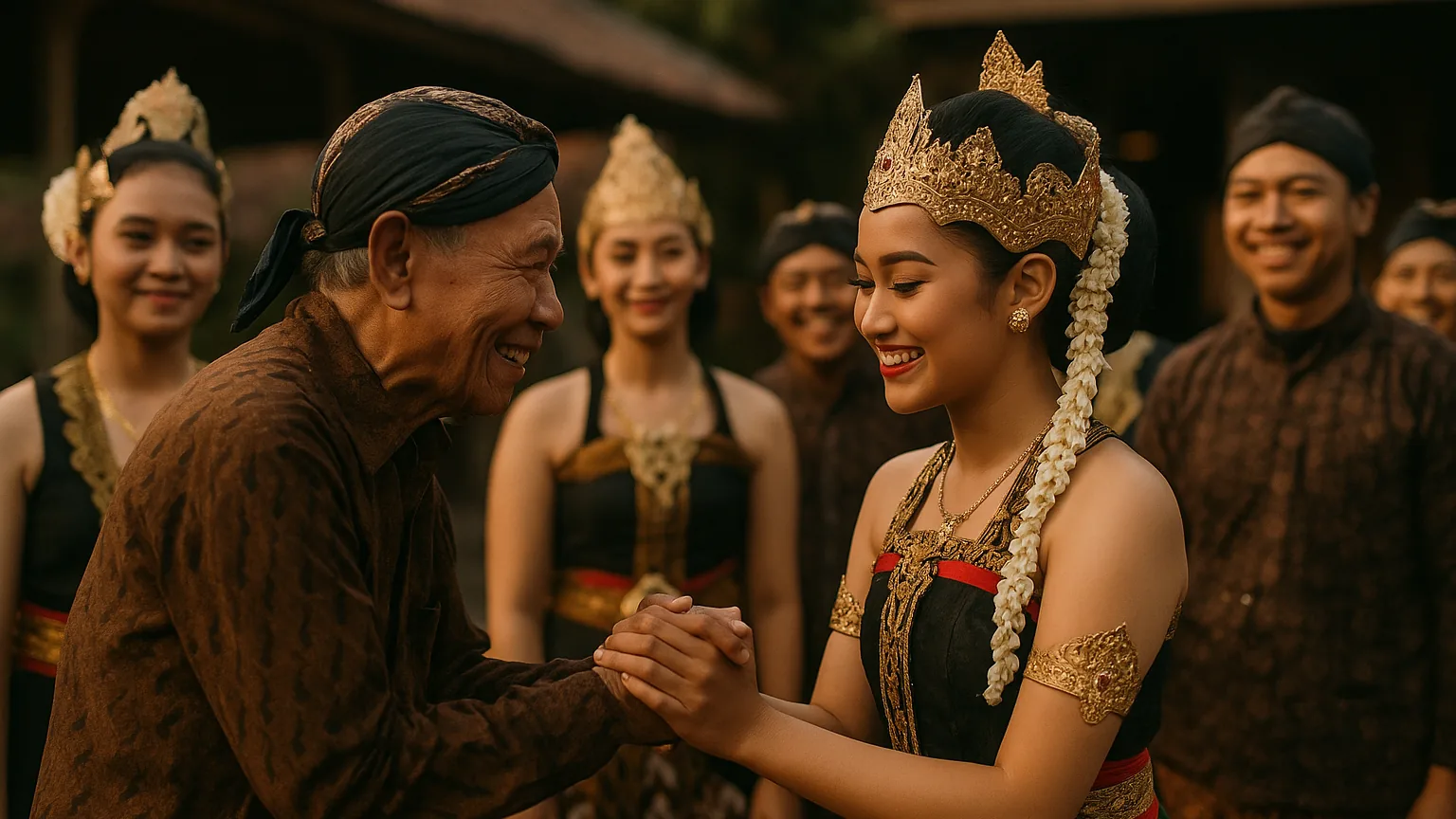
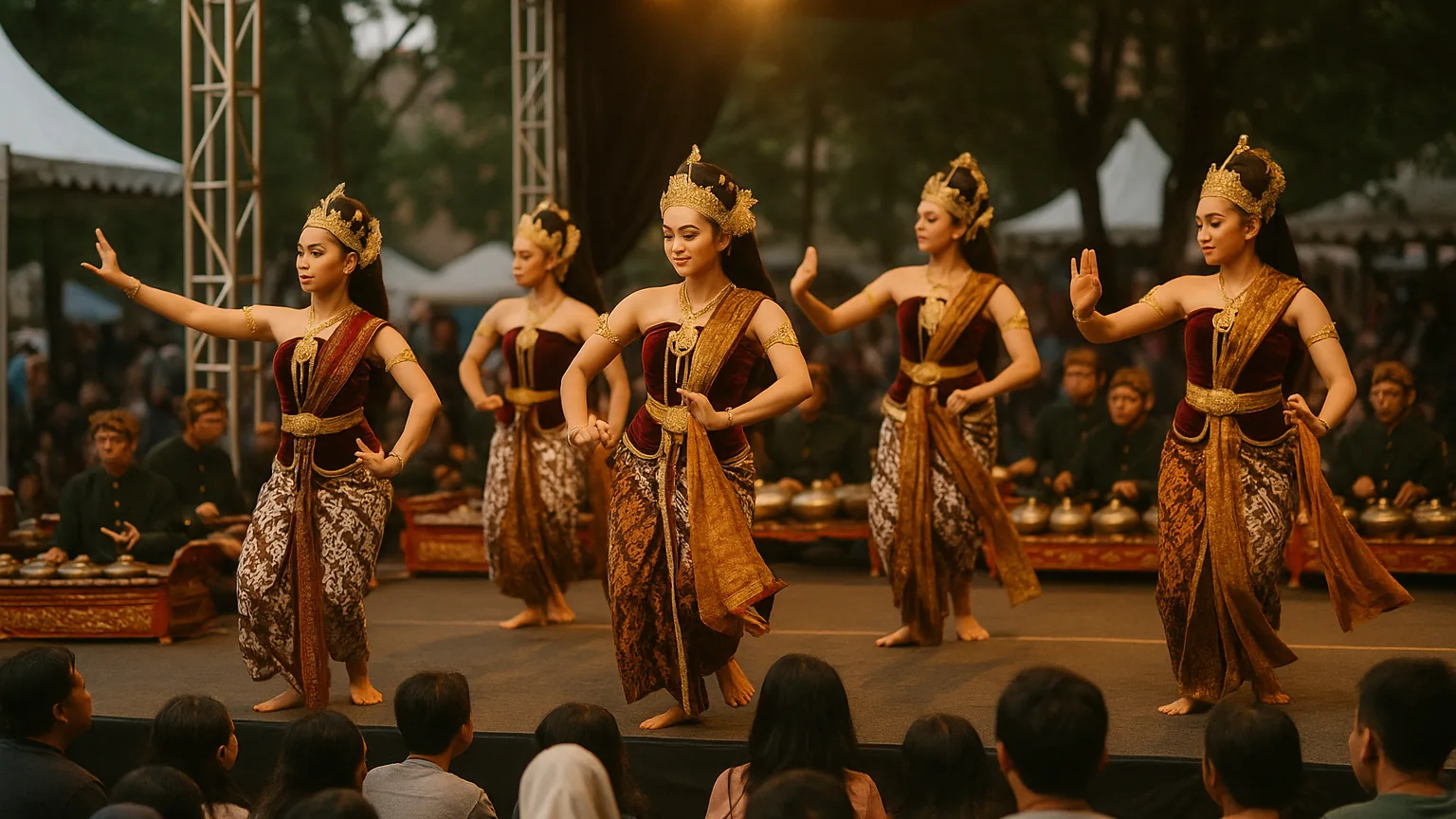
Let me carry one example through so none of this floats off into the abstract. Say you help run Sanggar Tari Sekar Arum, a traditional dance troupe in Yogyakarta - around 60 to 70 members spanning small children learning their first bedhaya steps, teenagers, working adults who dance for the love of it, and a handful of older gamelan players who've been keeping time for the group for decades. There's weekly latihan, eight to twelve performances a year at weddings, festivals and temple events, and a founder-teacher, Bu Retno, who has quietly held the whole thing together for longer than most of the members have been alive. A troupe like that runs almost entirely on goodwill and unpaid effort, which makes appreciation not a nice-to-have but close to the whole fuel supply. Everything below is about topping up that tank without it ever feeling forced or corporate.
Start with the small, everyday thank-yous
The cheapest and most under-used recognition there is costs nothing and takes about ten seconds: noticing something, out loud, in the moment. The member who stayed back to help fold and pack the costumes after a performance. The teenager who calmed a nervous eight-year-old before she went on. The gamelan player who drove across town in the rain to make Thursday's rehearsal. Most of the appreciation that actually moves people isn't the annual ceremony at all - it's the accumulation of small, specific, timely thank-yous that tell a member, over and over, that they're not invisible here.
The trick, and it's the whole trick really, is specific and soon. "Thanks everyone, great show" is pleasant background noise and forgotten by the car park. "Wulan, the way you settled the little ones backstage tonight - that's the reason none of them froze out there" is remembered for weeks, because it names a real person doing a real thing. You don't need a system for this. You need the habit of catching people doing something good and telling them so, on the night, by name. If you run the group and you're honest with yourself that you're not naturally doing this, that's the single highest-return change on this whole page, and you can start on Thursday.
A small discipline worth borrowing: at the end of each rehearsal or performance, before everyone scatters, thank two people by name for something specific they did. Not a speech - two sentences. Do it every time and within a couple of months it stops being a technique and just becomes how the group feels to be part of, which is the point.
Mark the milestones, but make them mean something
Years of membership genuinely deserve marking. Someone who has danced with Sekar Arum for five, ten, fifteen years has given the group an enormous slice of their life, and letting that pass unremarked is a quiet insult you probably don't intend. So mark it - a member's tenth anniversary, a young dancer's first full year, the milestone where a child who started at seven is now teaching the new seven-year-olds. These moments are gifts, because they're dated, they're unarguable, and they give you a natural reason to make a fuss about someone who'd never ask for it.
Here's where the genuine-versus-hollow line gets sharp, though, because milestones are exactly where organisations reach for the laziest gesture available: the generic certificate. I've watched a group hand out identical printed certificates at an anniversary - same template, same font, a name typed into the blank, "in recognition of your valued membership" - and watched half of them get left on the chairs afterwards. Nobody wanted them, because everybody could see they meant nothing. The certificate wasn't recognition; it was the performance of recognition, and people can smell the difference instantly. If Bu Retno had instead stood up and spent sixty seconds telling the room what she remembered about the day Pak Slamet first sat down at the gamelan fifteen years ago, that would have been worth more than a thousand certificates, and cost only the willingness to be a bit sincere in public.
So by all means mark the years - just put the effort into the meaning rather than the object. A handwritten note beats a printed one. A specific memory beats a job title. A small thing chosen because it suits that person beats a standard-issue anything handed to everyone identically. The rule of thumb is simple: if it could have someone else's name on it and still make just as much sense, it isn't really recognition yet.
Put a spotlight on what people actually do
Between the daily thank-yous and the big anniversaries sits a whole middle ground: spotlighting contributions as they happen. This is recognition that also does a second job, because when you shine a light on one member's contribution, you're quietly showing everyone else what "getting involved" looks like around here. A member spotlight in the group chat - a short, warm few lines about the member who choreographed the new piece for the festival, with a photo - tells that person they're seen and tells the other sixty-odd members that contributing gets noticed. Both of those are worth having.
For Sekar Arum this might be a rotating "penari of the month" that isn't about being the best dancer (please don't make it a competition - that curdles fast in a group built on togetherness) but about someone who did something generous: mentored a newcomer, sorted out the costumes, held the group together through a stressful performance week. It might be featuring a member's story - how they came to traditional dance, what it means to them - which honours them and gives everyone else a window into the community at the same time. Keep it genuine and varied, spread it around so it doesn't become the same three faces, and resist the pull to turn it into a formal award scheme with criteria and a leaderboard. The moment recognition starts to feel like a system for ranking people, it stops feeling like appreciation and starts feeling like a performance review.
Look after the ones holding it all together
Every membership group has its Bu Retno - the two or three people whose unpaid, invisible effort is the reason the thing exists at all, and who almost never get thanked precisely because what they do has become the background everyone takes for granted. The volunteer who launders and mends the costumes. The person who books the venues and chases the permits. The gamelan players who show up early and leave late. These people are the most important to appreciate and the easiest to forget, which is a dangerous combination, because when a long-serving volunteer finally burns out and steps back (and they do - I wrote about exactly this risk in the engagement piece), they often take a chunk of the group's momentum with them.
Volunteer appreciation needs to be a notch more deliberate than the everyday kind, because these are the people who'll insist they don't need thanking and mean it. A specific, private word of thanks matters enormously here - "I know how much of this only happens because you quietly make it happen, and I don't take it for granted" said one-to-one can land harder than any public award. Beyond words, the appreciation volunteers value most is usually practical: help so they're not carrying it alone, a genuine offer to take something off their plate, a second person trained up so they can miss a week without the whole thing wobbling. Sometimes the most appreciated thing you can do for your hardest workers isn't to praise them - it's to lighten the load you've quietly let them carry. Ask them what would actually help, then do that, rather than handing them a plaque that adds nothing to a week that's already too full.

Public applause, or a quiet word?
Not everyone wants to be recognised the same way, and this is where well-meaning appreciation most often misfires. Some members light up at a public shout-out in front of the whole troupe; others would sooner sink through the floor than have sixty people turn and look at them, and a stage-managed public thank-you actually punishes them for their contribution rather than rewarding it. In a dance group this varies enormously - the performers who thrive on an audience often love public recognition, while the quiet backbone types who prefer the wings usually don't. Read the person, not the gesture.
As a rough guide: public recognition is good for things that benefit from being modelled to the group - contributions you want others to see and copy, milestones the whole community can celebrate together. Private recognition is better for the deeply personal, for the shy, and for the volunteers whose work is quiet by nature and who'd find a spotlight mortifying. When you're not sure which someone prefers, a private thank-you is the safer default, because a quiet word never embarrasses anyone, whereas a public one occasionally does. And if you genuinely can't tell, there's no shame in asking - "would you be comfortable if I mentioned this at Thursday's latihan, or would you rather I didn't?" is a small question that shows you were thinking about them as a person, which is itself a form of appreciation.
The line between genuine and hollow
Running underneath everything above is one distinction that decides whether any of it works, so it's worth stating plainly. Recognition only lands when it's real, and people are astonishingly good at telling the difference between a human noticing them and a system going through the motions of it. This is the same trap the engagement article warns about with badges and points, and it's worth repeating here because appreciation is where organisations reach for automation the most eagerly and do themselves the most damage.
The hollow versions all share a tell: they scale beautifully and mean nothing. The certificate with a name dropped into a blank. The automated "happy anniversary" that fires whether or not anyone actually remembered. The identical thank-you email blasted to everyone who showed up. The points tally that congratulates people for attendance as though turning up were an achievement. None of these are recognition - they're the shape of recognition with the person scooped out of the middle, and members feel the emptiness even when they can't name it. A machine can send a message; only a person can notice you, and it's the noticing that people are actually hungry for.
The test for any act of appreciation is simple: does it prove a real person paid attention to this particular member? If yes, it works, however small. If it could have been generated for anyone, it doesn't, however polished.
None of which means tools are the enemy - a good system can remind you that someone's tenth anniversary is coming up, so you don't miss it, or flag the member who's quietly gone from every rehearsal to none. That's tools doing what they're good at: surfacing the moment. What the tool must never do is be the appreciation - it hands you the prompt, and then a human being does the actual thanking. Keep that division of labour straight and technology helps you appreciate people more, not less.
Start small, and keep it human
You don't need an appreciation programme, and if the phrase "member recognition strategy" is starting to make this feel like work, that's a sign you're overthinking it. Pick one thing. For Sekar Arum I'd start with the two-people-by-name habit at the end of each rehearsal, because it's free, it's immediate, and it changes the whole texture of the group faster than anything else. Add a proper acknowledgement of milestones once that's second nature, then a bit of spotlighting when you've got the energy for it. Don't build the whole edifice at once, and don't obsess over doing it perfectly - a clumsy, sincere thank-you beats a polished, empty one every single time, and the members can tell which is which without even trying….
If you take one thing away: appreciation isn't a scheme you launch, it's the ordinary habit of noticing people out loud and by name. Small and specific beats grand and generic, private is the safe default when you're unsure, the volunteers holding it together need it most, and anything a machine could have generated for anyone isn't really recognition at all.
A fair bit of this is what Anggota is built to make easier - it can keep track of who joined when so those milestones don't slip past unnoticed, show you at a glance who's been turning up and who's gone quiet, and handle enough of the ordinary admin that the people running your group have the time and headspace to do the actual appreciating. The software surfaces the moment; you supply the humanity. If that sounds useful you're welcome to try it for free and see how it fits your group. And if you'd rather take these ideas and run them through whatever you already use - a notebook, a group chat, your own memory - that's genuinely fine too, because none of this depends on a particular tool. A member who feels genuinely seen is worth more than any system, and you can build that with nothing more than the willingness to notice people and say so.