
Membership recruitment ideas that actually bring people in
An honest, grouped menu of recruitment ideas for community groups - sorted from the cheapest and warmest to the slowest and most effortful, with a straight note on what each really costs and gives back. Pick two, not ten.
Type "membership recruitment ideas" into Google and you'll get a hundred listicles promising forty-seven clever tricks, most of which nobody has ever actually run, and a good few of which would take a marketing team you don't have. This isn't that. What follows is a grouped, honest menu of things that genuinely bring new members in, sorted roughly from the cheapest and warmest to the slowest and most effortful, with a straight note on each about what it costs you and what you can realistically expect back. You're not meant to do all of them. You're meant to skim, pick two or three that suit your group, and do those properly this month.
A quick word on where this sits, because I don't want to repeat myself across three articles. If you want the thinking behind all of this - how to build a recruitment approach that hangs together rather than a scattergun of tactics - that's the strategy piece, and it's the better place to start if you're planning rather than doing. And if your question is really the bigger one of how a membership grows over time (of which recruiting new people is only half, the other half being not losing the ones you've got), I've written about growing your membership more broadly. This article is the practical end: concrete ideas you can act on without a plan and a budget meeting first.
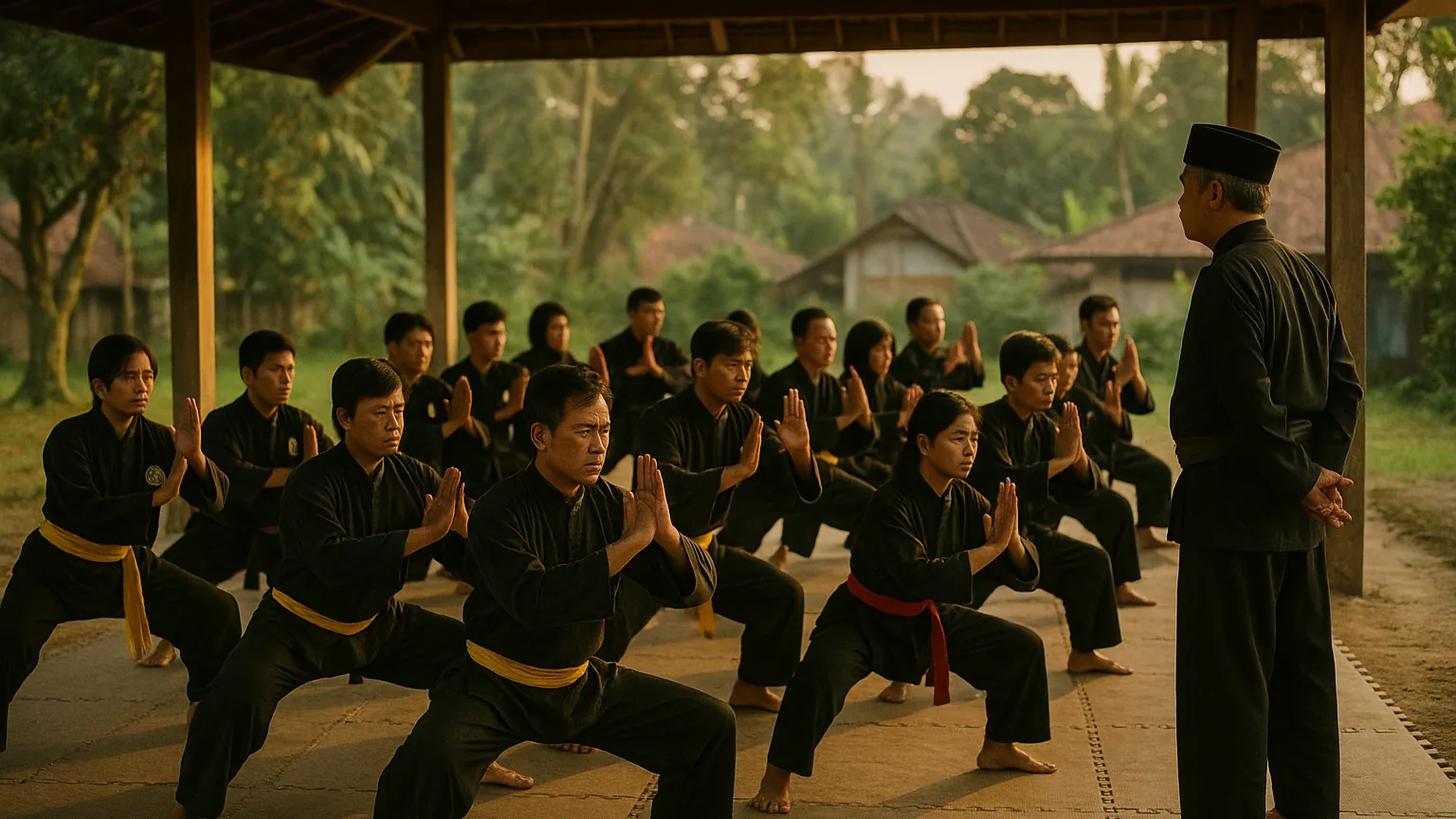
Let me carry one example through so none of this floats off into the abstract. Say you help run Padepokan Silat Rajawali, a pencak silat club in Bandung - around 120 members, a big weekly training session in the sasana, a couple of sparring and technique nights in the week, and a modest monthly membership that covers a training uniform and the coaching. It's a healthy little community, but it loses maybe 25 to 35 people a year to injuries, moves and life, so it needs a steady trickle of newcomers just to hold its ground, and ideally a bit more than that. Everything below, I'll run through Rajawali's situation, because "post on social media" means nothing until you picture who's actually doing it and what it costs them.
How to read the effort-versus-payoff notes
Every idea here comes with an honest note on effort and payoff, and I want to be clear about what I mean by those, because the two rarely move together. Effort is what it takes out of your volunteers - not just the doing, but the setting-up and the keeping-it-going, which is usually where these things quietly die. Payoff is two separate things really: how many people it brings in, and how good those people are - meaning how likely they are to actually join and stick around rather than turn up once and vanish. A warm introduction from a happy member and a stranger who saw your Instagram are not the same quality of lead, even if they both technically "came from recruitment". Keep that distinction in your head as you read, because the cheapest ideas also tend to bring the best-quality people, which is a happy accident worth leaning into.
The ideas, warmest first
Bring-a-friend and member referrals
This is the first thing to try, always, because your existing members are your best recruiters and they'll do it for nothing more than being asked. The concrete move is almost embarrassingly simple: pick a session and call it a bring-a-friend day, tell every member a fortnight out that guests are welcome and the class is free for them, and actually ask - out loud, by name where you can - the members who obviously love the club to bring someone along. For Rajawali that's a natural fit, because people who train nearly always know someone curious about silat (or a friend who keeps saying they've always wanted to try it), and a weekly session with a mate already on the mat beside them is about the gentlest possible way in.
Effort vs payoff: lowest effort, highest quality leads, no contest. A friend brought along by a member already trusts the place and already has a mate there, so they convert far better than any stranger and they tend to stay longer too. The one real catch is that referrals only flow when your members are genuinely happy - if people aren't enjoying it, no amount of asking will make them recruit, so this idea quietly depends on your retention being decent first. And don't over-engineer it. A points scheme with tiers and rewards is usually more admin than it's worth at this size; a heartfelt thank-you and maybe a free month for a member who brings in two or three people does the same job without the machinery.
Events and taster sessions
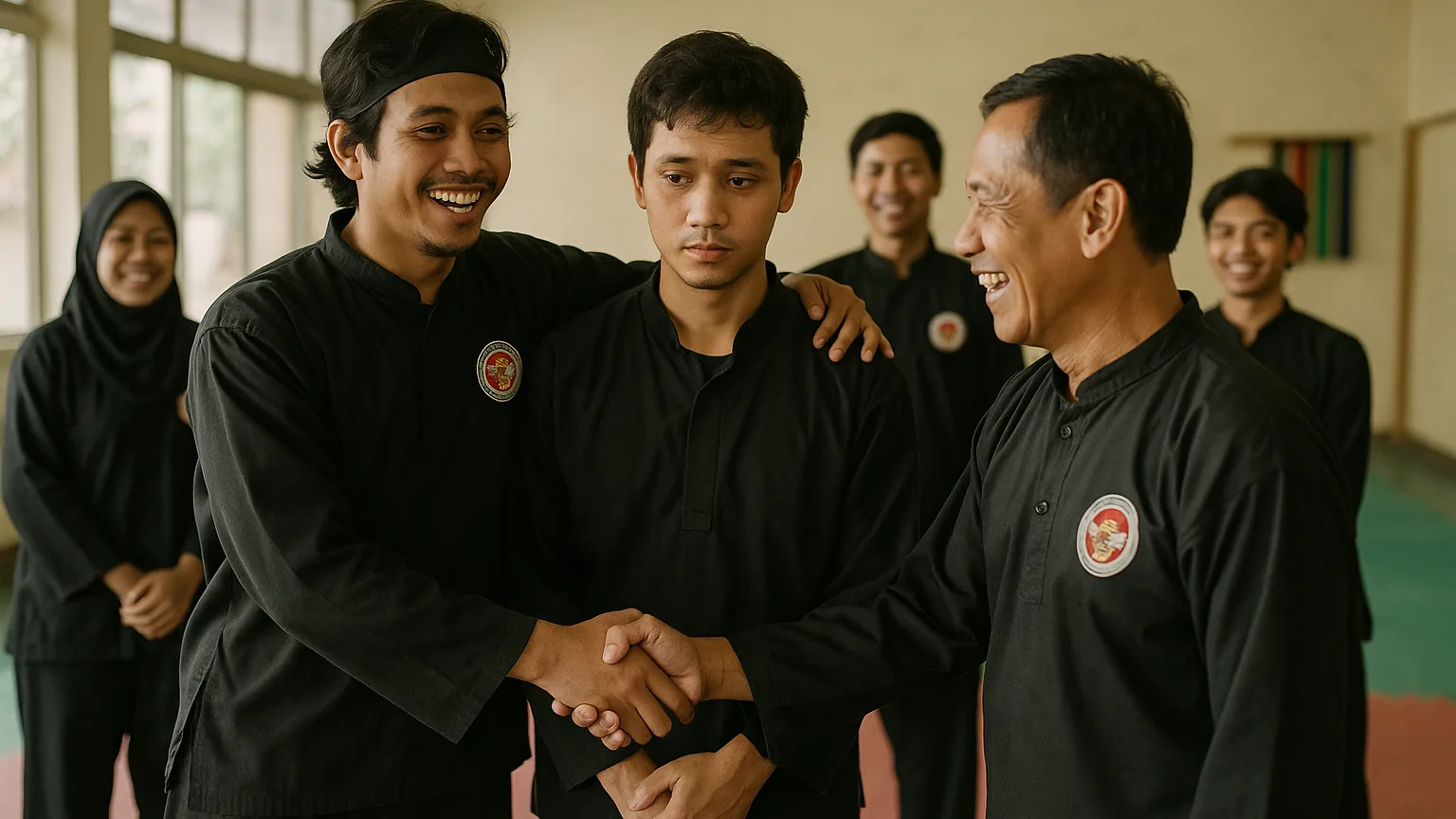
The next warmest idea is to let people try the actual thing before they commit to paying for it, because membership is much easier to say yes to once you've already had a good time. The concrete version for Rajawali would be a free beginner-friendly session - a slow, welcoming "first timers" class that walks people through the opening salute, a basic stance and a couple of simple movements, kept well apart from the hard sparring, or a short introductory block over a few weeks that gives nervous beginners a reason to show up and a group to show up with. Open days, free trials, one-off workshops, a taster class - it's the same principle whatever your community does: remove the risk from the first step.
Effort vs payoff: medium effort, good payoff, but only if two things are true. First, the thing they're trying has to be genuinely good, because a taster session is a shop window and a flat one does more harm than not running it at all. Second - and this is where most taster sessions leak away all their value - you have to capture who came and follow up warmly afterwards, because a lovely session that ends with "hope to see you again sometime" mostly won't. Get a name and a number, send a friendly note a day or two later ("great to have you at training on Saturday, the next beginners' class is on the 14th, come along"), and the conversion is enormously better. The session brings them in the door; the follow-up is what actually recruits them.
Partnerships with local businesses and organisations
Now we move to the ideas that reach people who've never heard of you, starting with borrowing someone else's audience. The concrete move is to find local businesses and groups whose people overlap with yours and set up something mutual: for Rajawali, an obvious one is a nearby school that wants a silat extracurricular for its students (they want an instructor, you want a steady stream of newcomers), maybe a sports or martial-arts kit shop that gives members a small discount, a physio who'll talk to your members and take referrals back, a neighbourhood gym, or a tie-in with a company that wants a self-defence class for its staff. The shape is always the same: they help you reach new people, you send something useful their way in return.
Effort vs payoff: slow to set up and heavily dependent on the relationship, but the good ones compound quietly for years. Be realistic here - most partnership conversations start warm and then fizzle, because both sides are busy and nobody's job it is to keep it alive, so don't count on a hit rate better than one in three or four. Pick partners with genuine overlap (a school with a PE programme, not a random retailer who "also wants exposure"), make the arrangement concrete and easy on both sides rather than a vague promise to "support each other", and put a single named person in charge of it or it'll drift. When one clicks, though, it's a steady trickle of pre-qualified people who found you through somewhere they already trust.
Content and social media
This is the idea everyone reaches for first and I've deliberately put it well down the list, because it's slower and softer than it looks. The concrete version is not "be on social media", which is meaningless, but something narrower: post regularly from your actual sessions - a good photo from Saturday's training, a short member story, a slow-motion clip of a clean movement, a beginner's account of their first month - on one channel you can actually keep up (Instagram, most likely, for a silat club), with local hashtags and location tags so people nearby stumble across you. The most useful posts are often the plainly helpful ones that answer the question a prospective member is quietly asking, which for Rajawali is some version of "I want to learn silat in Bandung but I've never done martial arts and I'm not fit, is there somewhere for me".
Effort vs payoff: cheap per post but slow to build and easy to do pointlessly. The trap is vanity metrics - a post can get plenty of likes and bring in precisely nobody, because followers are not members and the gap between the two is where a lot of community social media quietly wastes its time. It also lives or dies on consistency, which is exactly the thing volunteers struggle to sustain past the first burst of enthusiasm, so be honest about whether anyone will still be posting in six months before you lean on this. My rule of thumb is to treat social as the thing that makes the other ideas work better - it warms people up so the taster session or the bring-a-friend day lands - rather than as a recruiter in its own right. On its own it's the long game; alongside the warmer ideas it earns its keep.
Showing up where your community already gathers
Rather than waiting for people to find you online, you can go to where they physically already are. In Indonesia the obvious one is Car Free Day - a Sunday morning with the roads full of exactly the sort of active, out-and-about people a silat club wants, which for Rajawali is very nearly the perfect place to be seen. The concrete move is a simple presence: a small stall or banner, a few friendly members handing out nothing more elaborate than "come train with us next Saturday, here's where", and - because silat gives you something worth watching - a short live demonstration, a couple of members running through a sequence of movements to gather a crowd before you talk to them. The same logic applies to local markets, campus open days, community festivals, school events and cultural celebrations - anywhere your kind of person turns up in numbers.
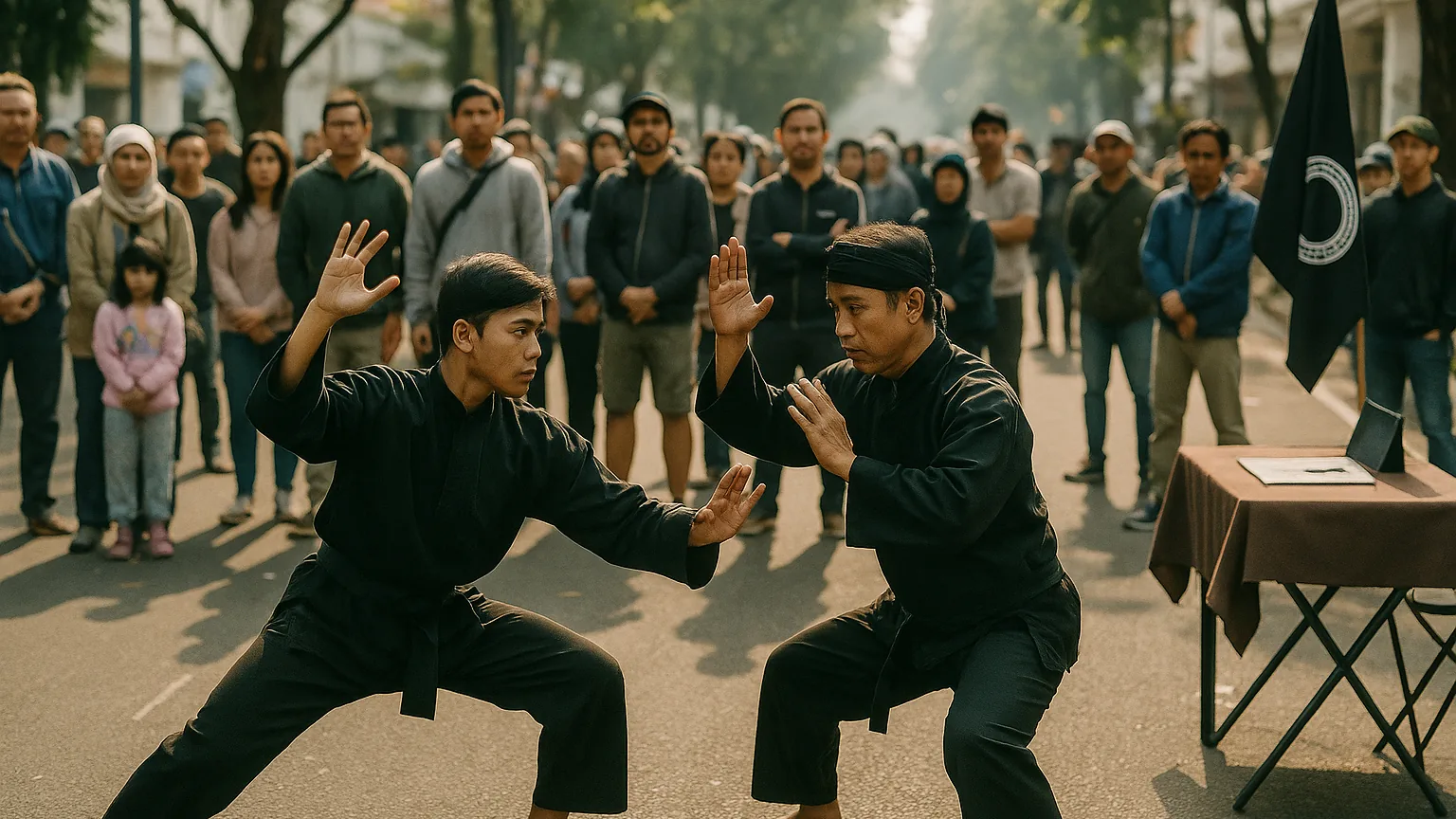
Effort vs payoff: high effort per event and spiky, unpredictable payoff. You'll spend a whole morning and a few volunteers' energy on it, and the honest truth is these are much better at raising your profile than at directly signing people up - a friendly chat at a stall, even after a crowd-pleasing demo, rarely turns into a membership on its own. Where they pay off is when you give people a clear, low-commitment next step rather than a leaflet that goes in the bin: "our beginners' class is next Saturday at 6, right here, just turn up" beats "check out our website" every time. Treat the event as the introduction and one of your warmer ideas as the follow-through, and the morning's not wasted. Treat it as the whole funnel and you'll wonder why a hundred nice conversations produced two members.
Winning back the ones who drifted off
The most overlooked source of new members is old members, and it belongs on any recruitment list even though it's technically adjacent - the person who lapsed last year already knows you, already liked you enough to join once, and is far cheaper to bring back than a stranger is to win from scratch. The concrete move is a warm, genuinely un-salesy note to people who've drifted away: not "your membership has expired, please renew", but "we've missed you at training - we've got a beginners-friendly session on the 14th if you fancy easing back in, would be lovely to see you". For Rajawali, a quiet list of the 25 to 35 who slipped away this year is a warmer prospect pool than any stranger you could reach.
Effort vs payoff: very low effort, genuinely underrated payoff, provided you do it with a light touch. These people are pre-sold in a way no cold prospect is, so even a modest response rate is worth the hour it takes. The one thing to get right is tone - a gentle invitation to a specific thing works, a guilt trip or a nagging "you haven't renewed" does not, and some of them are simply gone for good and won't thank you for chasing, so send once, warmly, and let it go. This overlaps a fair bit with keeping the members you've already got, which is really the other half of growing at all - if you want that side of it, the retention guide is where I've put it.
A quick gut-check for any recruitment idea: what's the one clear next step you're asking a new person to take, and is it easy enough that a mildly interested stranger would actually do it? "Turn up to the beginners' class this Saturday" is easy. "Fill in the membership form and pay your dues" is not, at least not yet. Most recruitment fails not because the idea was bad but because the next step was too big a leap, so make the first step small and warm and worry about the paperwork once they're hooked.
Pick two, not ten
If you take nothing else from this, take that you should not try to do all six. The failure mode I see most often isn't picking the wrong idea - it's picking eight of them, running each one badly for a fortnight, exhausting the two volunteers doing the work, and concluding that recruitment is hard. It isn't, particularly, but it does reward doing a small number of things properly and repeatedly over doing everything once. For a club like Rajawali I'd start with the two warmest - a bring-a-friend session and a warm note to last year's lapsed members - because they cost almost nothing, they bring in the best-quality people, and you could set both running this week. Once those are steady, add a taster block or a Car Free Day demonstration, and not before.
And start rough. A bring-a-friend session announced in your group chat this afternoon beats a beautifully planned recruitment campaign you're still designing three months from now. Do the simple version of one idea, see who actually comes, keep what works and quietly drop what doesn't, and let the whole thing grow one steady habit at a time….
If you take one thing away: the ideas that work best are the warmest and cheapest - members bringing friends, and lapsed members coming back - because they bring people who already half-trust you. Start there, give every idea one clear easy next step, and pick two to do well rather than six to do badly.
A fair bit of the fiddly part here is what Anggota is built to take off your plate - a simple sign-up link you can hand to a friend at training, a record of who joined and who lapsed so your win-back list writes itself, and the joining paperwork handled so a "come along next week" can turn into a member without three emails and a spreadsheet. If that sounds useful you're welcome to try it for free and see how it fits. And if you'd sooner take these ideas and run them through whatever you already use, that's genuinely fine too - none of this depends on a particular tool, and a membership that's steadily bringing in new people is worth building however you get there.