
Raising money for a club without exhausting the same twenty people
A grouped, honest menu of fundraisers for a small club - from a ticketed trivia night to sausage sizzles, raffles, auctions, local sponsors and grants - sorted by what each costs you against what it hands back. One run well beats five run badly.
There's rarely a shortage of fundraising ideas in a room full of members. Get a committee talking for twenty minutes and you'll come away with a whiteboard full - run a competition, hold a bazaar, do a sponsored ride, sell a heap of raffle tickets, put on some food, ring a local business and ask them to chip in. Thinking of things to do was never the hard part. The hard part is that a club has one, maybe two people with the actual energy to run a fundraiser all the way to the end, and every idea you say yes to is a quiet claim on that same small pool of energy. So before any list, the one honest thing worth saying is this: a single fundraiser you run properly, once a year, will almost always beat five you kick off with good intentions and then let fizzle. A half-organised event doesn't just raise less money - it teaches your members that your invitations aren't quite worth turning up for, which costs you the next one too.
Let me carry one example through so none of this stays abstract. Say you help run the Redcliffe Peninsula Garden Club, a gardening club on the Moreton Bay side of Brisbane - somewhere around 90 to 110 members, a good mix of retirees and young families with a vegie patch, a monthly meeting at the community hall with a guest speaker and a plant swap, a working bee at the community garden on the first Saturday, and a Facebook group that genuinely never sleeps. The club runs on a thin kitty, and this year the committee wants to raise somewhere in the region of $8,000 to $12,000 to build a proper covered potting and meeting shelter at the community garden, so the working bee and the plant sales aren't rained off or sunburnt for half the year. That's the target. Everything below is a way of getting there, sorted honestly by what it costs you against what it hands back.
Two quick boundaries before the menu, so I'm not repeating things I've written elsewhere. This piece is about fundraisers - one-off pushes to raise a lump of money for a specific thing. If what you're really after is a steady trickle of income that isn't your membership dues (sponsorship you renew each year, a bit of merchandise, some paid services), that's a different game and I've set it out separately in non-dues revenue ideas. And several of the ideas below are events as much as they are fundraisers, so if you want the broader thinking on running events your volunteers can actually sustain, the events piece covers that ground - I'll try not to tread on it here, and stick to the money.
The trivia night - your natural big earner
For a club like this there's one fundraiser so obviously yours it barely needs suggesting: a ticketed trivia night. You already hold a monthly meeting with a speaker, so a proper night out is really the same thing scaled up - a hall booked for the evening, tables of eight, a quiz master who can work a crowd, a few rounds with a garden-themed one for the members, a bar or BYO arrangement, and a ticket per head, which is where the money actually comes from. The effort is real and it's front-loaded: you're booking the hall and sorting out permission to serve alcohol if you want it, writing the questions, printing tickets, chasing raffle donations and running the night itself, which realistically needs a small team of 6 to 10 people rather than the usual two doing everything.
But the take can be the best of anything on this list. If you pull 100 to 140 people across a dozen or so tables at $30 to $40 a head, that's $3,000 to $5,600 through the door before you've touched the raffle or the food, and after hall hire, prizes, catering and the quiz master's sound system you might clear $2,000 to $3,500 on a genuinely good night. Get it right once and it becomes the annual thing the whole neighbourhood puts in their calendar, which makes next year easier again. Get it wrong, though - clashing with the school fete, thin turnout, a question that half the room ends up arguing about - and you can just as easily break even or worse. So this is the one to plan properly or not attempt at all. There's no half-version of a trivia night that's worth running.
A sausage sizzle and other food at your own event
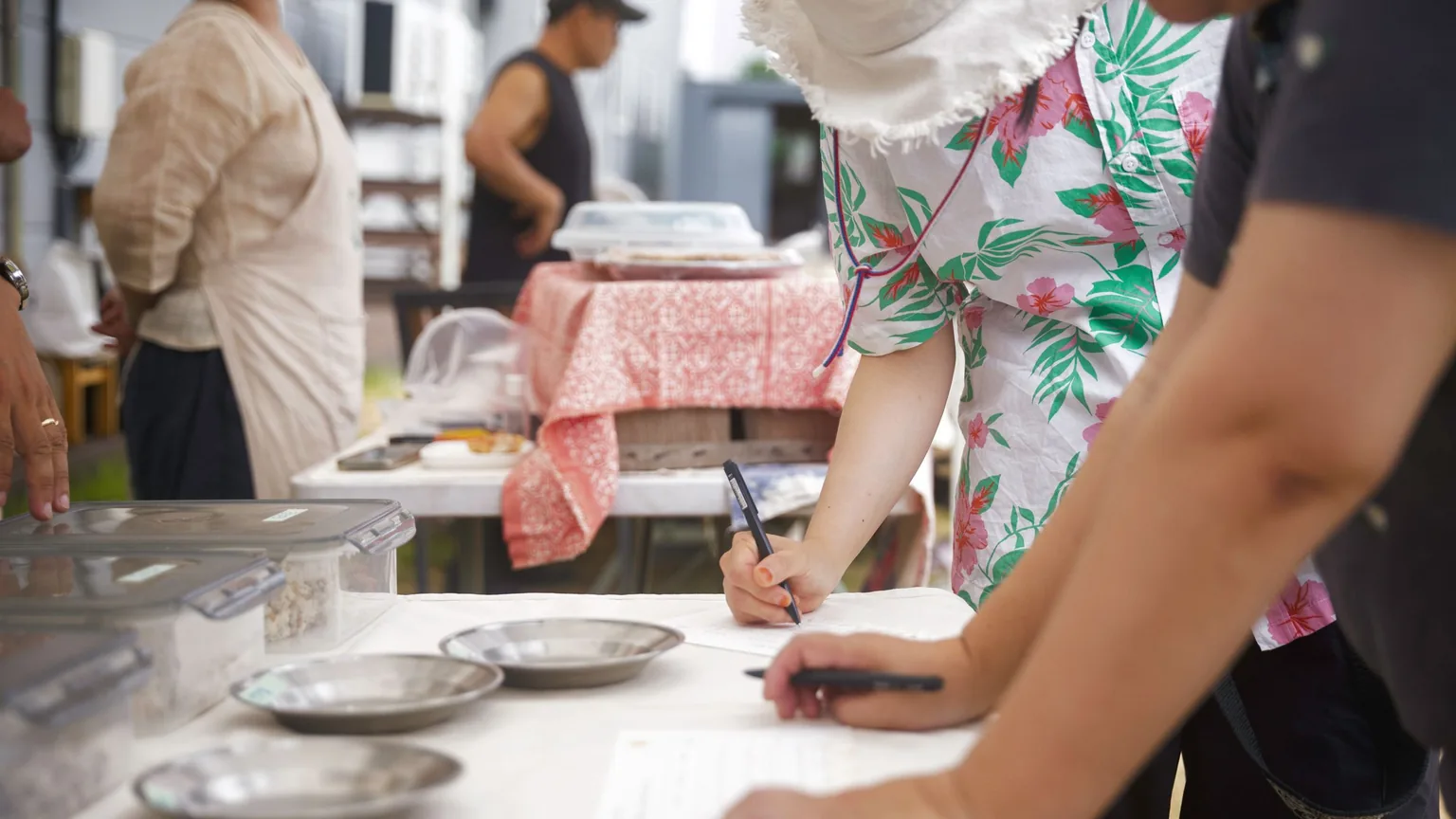
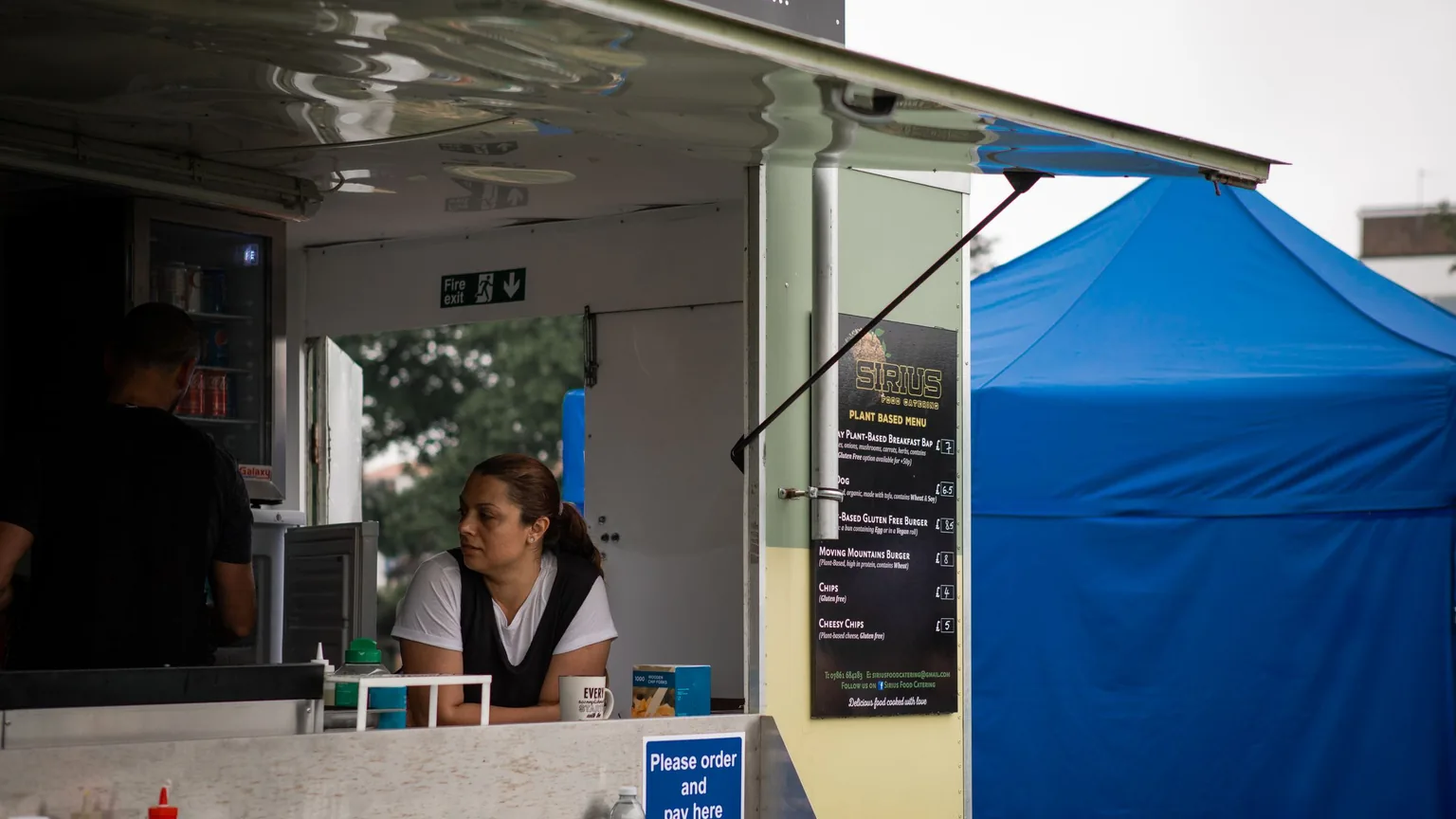
The quiet earner that rides along on the big event is food. A crowd standing around a plant stall from eight in the morning is a crowd that gets hungry and thirsty, and every snag in bread, coffee and slice they buy is margin you'd otherwise have handed to the café down the road. You've broadly two ways to play it: run a sausage sizzle and a cake stall yourselves (more work, but all the margin stays with the club), or charge a small pitch fee to an outside coffee van or food truck and let them do the selling (much less work, less upside, and nobody from the club is stuck at the barbecue).
For most clubs the pitch-fee version is the smarter one if you can get it. A couple of vendors paying $100 to $300 each for a spot is a few hundred dollars for almost no effort beyond marking out where they stand and pointing them at the power, and someone else deals entirely with the cooking, the gas and the washing up. If you do want the classic sizzle, the hardware store that hosts it usually wants booking well ahead, you'll need food-handling basics sorted, and a good day can clear a few hundred dollars. Neither will fund the shelter on its own, obviously, but it turns your fundraiser's foot traffic into money instead of leaving it on the table, and it's about the lowest-effort line on this whole list. If you're already running the main event, not doing this is just leaving cash for the café.
A plant sale or car-boot
Away from the big night, the simplest standalone fundraiser is a plant sale or car-boot - members clear out the gear they no longer use (spare pots, an old wheelbarrow, seed-raising trays, books, the tools doubled up after a birthday) along with the seedlings and cuttings they've overgrown, and the club either takes a small cut of each sale or charges a flat table fee. It's cheerful, it's low-stakes, and it does a second useful job of getting gear that's gathering dust into the hands of newer members who don't want to pay shop prices yet.
Effort is low to moderate and the take is modest and genuinely hard to predict, because a plant sale lives or dies entirely on foot traffic. So don't stage it cold on a random Saturday and hope people wander in - hang it off a day the members were already coming, ie the first-Saturday working bee, or bolt it onto the main event where you've a crowd already. The people for it are a couple of members to collect the fees and nag the group, and that's about all it asks of you. Treat it as a nice top-up rather than the main event and it'll pull its weight.
A raffle
The raffle is practically a fixture at community events already, so this is less a separate idea than a lever you bolt straight onto the trivia night: sell numbered tickets through the evening, draw a few prizes at the end while everyone's still there, and the whole trick is that the prizes cost the club nothing if you can get them donated. A voucher from the local nursery, a hamper of homegrown produce, a meat tray from the butcher, a nice ceramic pot - people buy tickets happily when the prizes are things they genuinely want rather than a basket of biscuits.
The effort is low, the money is real (a few hundred tickets at $2 to $5 each quietly adds up to $600 to $1,500), and the two things that make or break it are worth stating plainly. You have to chase donated prizes hard, because the moment the club is buying the prizes the maths stops working. And you want one visibly honest person running the draw with everyone watching, so nobody goes home muttering that it was fixed for the president's cousin. One more practical point: raffle rules, and whether you need a permit or licence, differ by state and sometimes by prize value, so check your state regulator's page before you print the tickets. Do those things and a raffle is close to free money.
Auction what your members can do
Here's one clubs badly underuse: an auction of the things your members can do or make that other members actually want. In a garden club that list is surprisingly rich. A morning of pruning advice from the member whose roses always win the show, a hand-built compost bin, a tray of grafted citrus, a prized orchid someone has decided to let go, a day's help in your garden from the working-bee regulars. None of it costs the club a cent to stock, because the stock is your members' own time, skill and plants.
Effort is moderate - you need a half-decent auctioneer (usually your loudest, funniest member with a microphone and no shame) and a few good lots lined up beforehand so it doesn't stall - and the take is genuinely unpredictable, but it can spike hard when two determined bidders both want the same orchid and neither will back down in front of the crowd. The real win, though, is that it raises money out of time and skill rather than cash, so nobody feels shaken down. Run it as ten lively minutes at the end of the trivia night, not as its own event, and it earns its place easily.
A sponsored walk, fun run or chocolate drive
This is the one on the standard fundraising list that fits a garden club least, so let me be honest about it rather than pretend otherwise. A sponsored walk or a fun run raises money through sponsorship and entry fees, and it works a treat for clubs whose members are already sporty and out on the road every weekend anyway. But your members joined to grow things, not to run 5K, and building a whole athletic event off the side of a gardening club is a mountain of logistics - council permits, a route, marshals, timing, first aid - for a crowd that may quietly decide to stay home. The chocolate drive has the opposite problem: very little logistics, but it asks every member to sell boxes to their own friends and family, and most adult clubs find that wears thin by the second year.
If you love the idea, the honest version is to piggyback rather than build. Join a community fun run or street festival that's already happening, put the club banner and a donation tin out, sell a few club caps, and skip every bit of the logistics that would otherwise eat your organisers alive. But don't build a fun run from scratch to pay for a shelter. It's a lot of effort pointed in the wrong direction, and there are four easier lines on this list that suit your actual members far better.
A crowdfunding push
When the thing you're raising for is concrete and easy to picture - a covered shelter, a set of proper tools, a club banner, a decent sound system of your own - a plain online push can do more than you'd expect, precisely because your Facebook group and email list are already the fundraiser's entire audience, sitting there waiting. You don't need a fancy platform. You need a clear message, a photo or a rough sketch of what you're building, a target, and a way to pay, whether that's a card link or a BSB and account number with a reference.
Effort is low, the take depends entirely on how badly your members want the thing and how many former members you can still reach, and the person for the job is whoever the group trusts most with money - which matters more here than anywhere else on this list, because a crowdfunder runs purely on that trust and nothing else. Show the running total as it climbs, and show plainly what you spent it on once it's built (a photo of the finished shelter does the job). You'll find the next push is easier for it, because everyone saw the first one was real and the money went where you said it would.
Partner with a local business, or apply for a grant
The last one is less an event than a phone call: get a local business to put in money or prizes in exchange for their banner at your trivia night and a mention to a crowd that is, conveniently, made up almost entirely of their customers. For a garden club the natural partners are almost too obvious - the local nursery, the hardware store, the landscape supplier, the café on the corner who'd love 100 thirsty people turning up. And it's worth a look at your council's community grants and your state's small-grants programs too, since a covered shelter is exactly the kind of local project they like to fund; these have deadlines and paperwork, so check the council and state pages for what's open.
The effort is a bit of hustle and a simple one-page proposal (what they give, what they get, how many people will see the banner and for how long), the take ranges from a few hundred dollars plus a stack of raffle prizes right up to a title sponsor covering most of your night's costs, and the person for it is whoever in the club is comfortable asking - every club has one, and it's rarely the president. The thing to hold onto is that you're not begging, you're offering a genuinely fair deal. A nursery reaching 100 committed gardeners in a single evening is cheap, well-targeted advertising, so pitch it as the trade it actually is and you'll be surprised how often the answer is yes.
A rough sorting, effort against take: the biggest single earner is the trivia night, but it's also the most work and the easiest to get wrong, so it's a plan-it-properly-or-don't. The best money for the least effort is all the stuff that rides along on the night anyway - the raffle, the food pitch fees, the end-of-night auction, a local sponsor's banner - because the crowd is already there and you're simply turning it into money. Crowdfunding and a plant sale sit in the middle: cheap to run, modest and unpredictable to bring in. A grant sits off to one side: slow and paperwork-heavy, but potentially the biggest cheque. And the sponsored walk is the one I'd quietly skip unless your members are genuinely itching for it. If you only do two things all year, run one good trivia night and hang everything else off the same evening.
Whatever you pick, resist the pull to do all of it. That's the mistake this whole article is trying to steer you around - the frantic fundraising calendar that wears out the two organisers long before it wears out the members, who'd have been perfectly happy with one good night. The club that runs one solid trivia night a year, with the food and the raffle and a sponsor's banner folded neatly into the same evening, will out-raise and out-last the club that attempts a plant sale in March, a fun run in June and a crowdfunder in September and has burned through its two volunteers by August. Pick the one that fits your people, run it properly, and let the rest go without mourning it too much - you can always add one more next year, once this year's is a habit….
If you take one thing away: one fundraiser run well beats five run badly, every time. For a club like this the natural centre of it is a proper annual trivia night, with the small low-effort earners - food, a raffle, a member auction, a local sponsor - folded into the same evening so the crowd you gathered once does several jobs at once. Everything else is a bonus, not an obligation.
A fair bit of the fiddly part of any of this - taking trivia night bookings without a chaotic spreadsheet, knowing who's paid for their ticket and who hasn't, collecting a crowdfunder, keeping the members' area somewhere people actually check between meetings - is what Anggota is built to take off your hands, so the two or three people quietly holding the club together can spend the evening on the guests and the crowd rather than the paperwork. If that sounds useful you're welcome to try it for free and see how it fits. And if you'd sooner take these ideas and run them through whatever you already use - a notebook, a spreadsheet, the group chat and a biscuit tin of cash - that's genuinely fine too, because none of this depends on a particular tool, and a club that raises what it needs without wearing out its volunteers is worth building however you get there.