
Non-dues revenue ideas for associations
A grouped, honest menu of ways a club or association can bring in money beyond dues - what each one really earns, what it costs you in effort, and how not to let money-chasing quietly wreck the thing you were funding.
Dues are the obvious way a membership organisation pays for itself, and for plenty of clubs they're the only way - which is completely fine, right up until the year it isn't. Costs creep up on you (the hall puts its hire rate up, the decent balls cost more than they used to, someone finally has to replace the net that's been held together with tape since last season), and there's a hard ceiling on how much you can charge people to belong before a few of them quietly decide it isn't worth it - I've written separately about where to pitch your dues, and that ceiling is real. So most clubs, sooner or later, start wondering what else they could reasonably bring in without leaning any harder on the members themselves. That's all non-dues revenue is - money the organisation earns from something other than the annual or monthly subscription - and there's more of it around than most committees realise, though a fair bit of it is more trouble than it's worth.
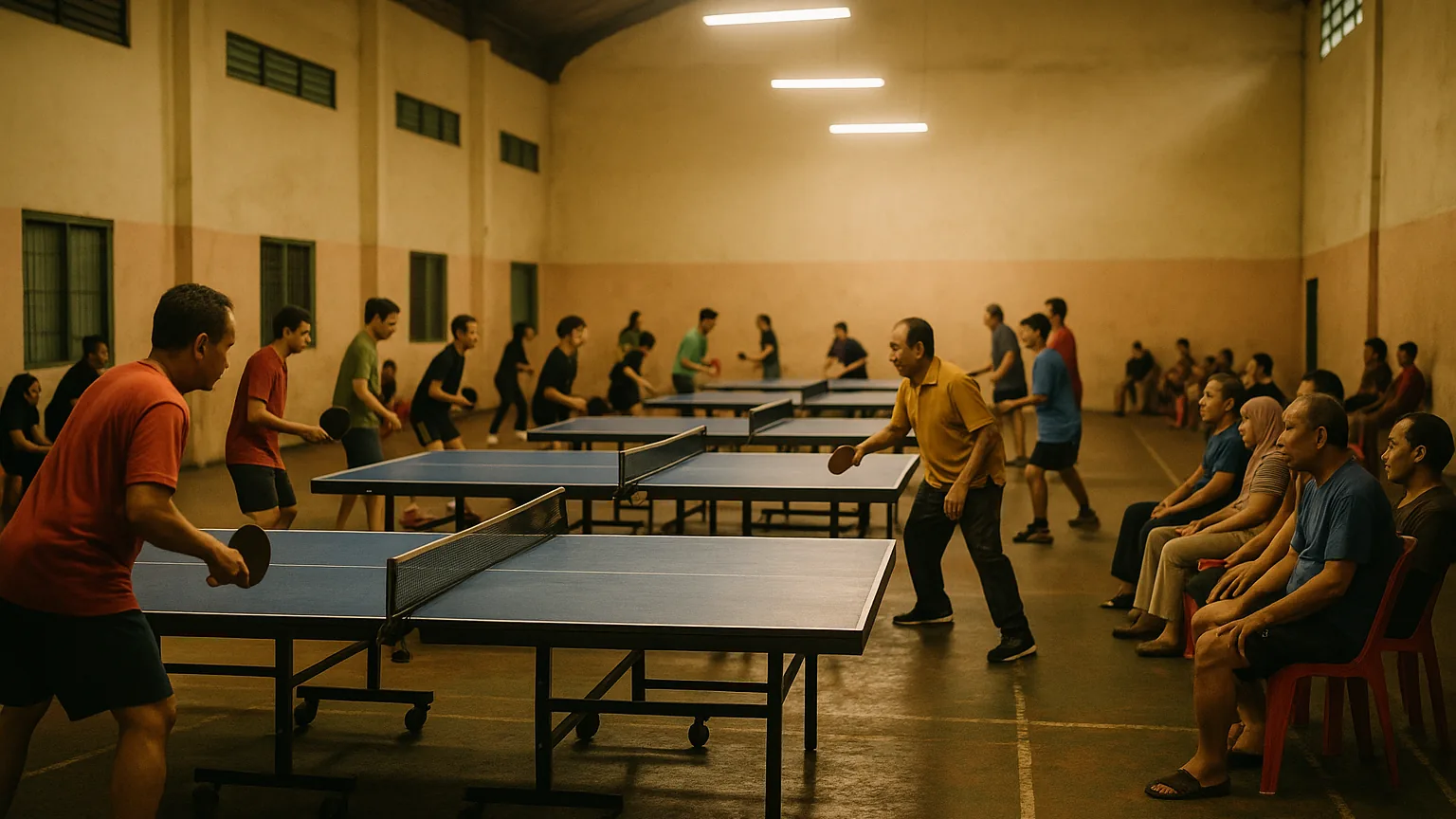
Let me carry one example the whole way through so this stays concrete. Say you help run PTM Rajawali - Persatuan Tenis Meja Rajawali, a community table tennis club of about 120 members that meets three evenings a week at the local GOR, six tables going at once, a mix of kids their parents drop off, office workers unwinding after a shift, and a handful of genuinely sharp players who turn up to the regional opens. Dues are Rp 30.000 a month, which covers the hall hire and not a great deal else, and every time the committee wants to buy a new table (Rp 2 - 4 million for a decent one) or send the junior squad to a tournament two towns over, it comes down to whether there's anything left in the tin. There usually isn't. If that sounds familiar, this one's for you.
Before the menu, one thing worth saying at the very top, because it's the easiest thing in the world to lose sight of once the money starts getting interesting: the club exists to get people playing table tennis, not to run a little business on the side. Every idea below is only worth doing if it pays for more or better table tennis and doesn't quietly turn your volunteers into a catering-and-merchandise operation that's forgotten to actually play. I'll come back to that at the end, but hold it in mind the whole way through, because some of these earn real money and cost you almost nothing, and some of them earn a bit of money while slowly eating the very thing you were trying to fund.
The quiet earners that barely cost you anything
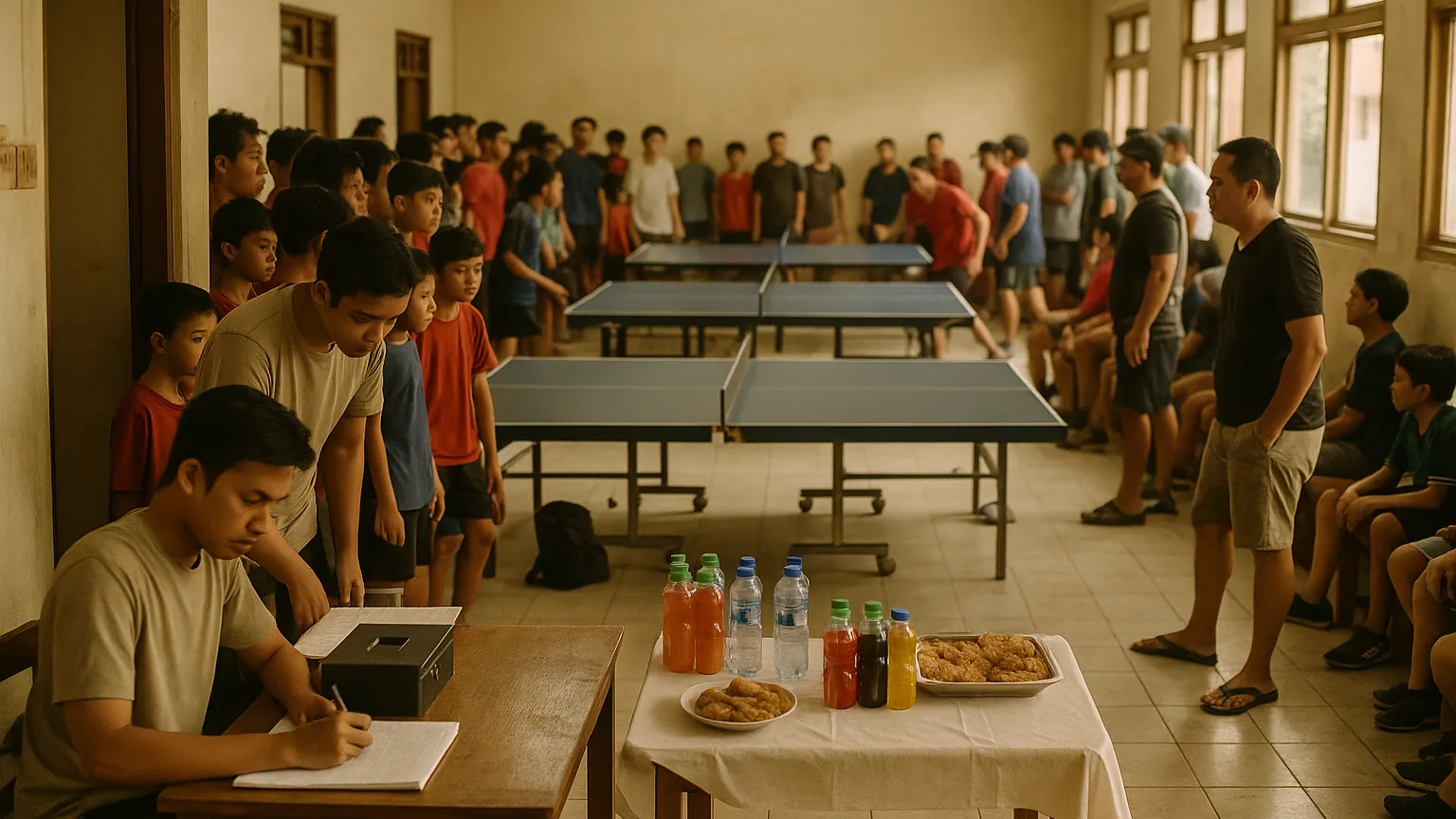
The best place to start is usually the money that's already walking through the door. You've got 40 or 50 people at the GOR on a session night, most of them there for a couple of hours, and a good number of them thirsty. A simple drinks-and-snacks table - a cooler of water and isotonik, some gorengan, a few sachets of coffee - is about the lowest-effort money a club can make, precisely because the crowd is already there and already a bit hot and bothered from playing. PTM Rajawali might clear Rp 150.000 - 300.000 on a busy evening, of which maybe half is margin once you've bought the stock, so call it Rp 300.000 - 600.000 a month for very little beyond someone minding a cash box. It won't buy a table every month, but over a year it quietly adds up to one.
The same logic applies to the club's stuff and the club's hours. If you've booked the GOR for a three-hour block and you're only really using it for two, that spare hour has a value - a casual group, a neighbouring RT, a company team wanting a knock-about can be charged a modest slot fee to use your tables while they're set up anyway. A spare table or a few decent bats sitting in storage can be hired out for an event. None of this is glamorous and none of it is much money on its own, but it's close to free money because you already own the thing and you're already there. The one honest caution is that "someone minds the cash box" and "someone restocks the cooler" and "someone chases the RT group for the slot fee" are all real jobs, and if nobody actually wants to do them, the money doesn't appear.
Charging, gently, for the things you already do well
Beyond the incidental stuff, the biggest non-dues earners for a club like Rajawali are usually the events and the coaching - the things the club is genuinely good at, sold to people who want them. An internal turnamen with a small entry fee is the easy one: 40 - 80 players at Rp 25.000 - 50.000 a head, a trophy that costs Rp 200.000, the canteen doing brisk business alongside, and you've run a good night that also nets a few hundred thousand to a million rupiah. Scale it up once a year into an open tournament that pulls players from other clubs, add a title sponsor and a busier canteen, and a single well-run event can bring in more than a couple of months of dues. Events are lumpy (you can't run one every week without exhausting everybody) but pound for pound they're often the best return a small club gets.
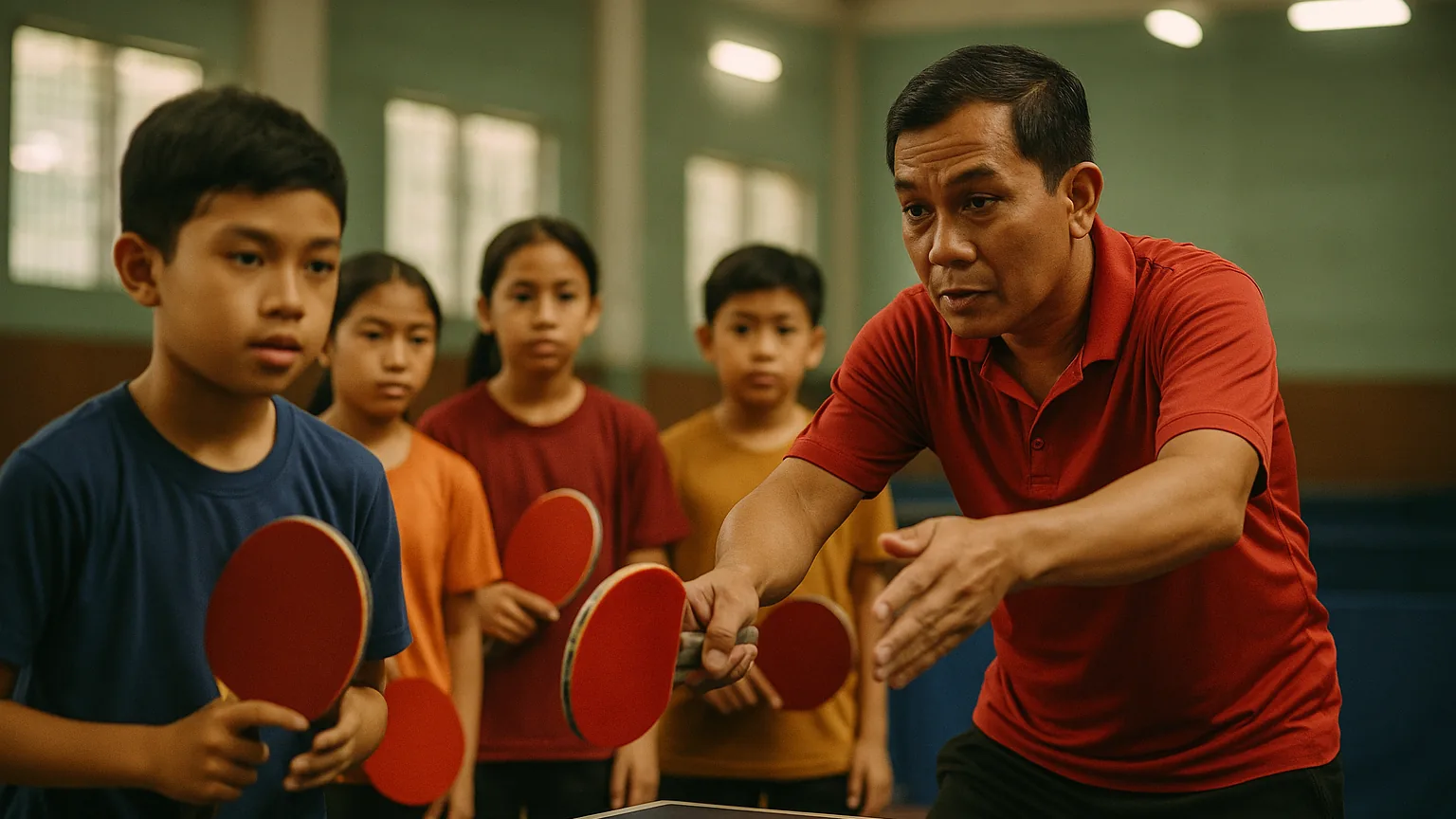
Coaching is the other one, and it's a bit steadier. You've got strong players who could run a beginners' course or a junior clinic - a block of 6 - 8 weeks, Rp 150.000 - 300.000 per head, twelve kids signed up, with the coach taking a fair cut for their time and the club keeping a slice for the tables and the admin. It's real income that recurs, it feeds new players into the club (this year's clinic is next year's members), and it uses exactly the expertise you already have sitting around. Paid workshops are a cousin of this - a scoring-and-umpiring course, a bat-and-rubber maintenance afternoon, or a ticketed weekend masterclass with a visiting provincial coach - and they can do well, though the return is patchier and the organising effort higher, so I'd treat those as occasional rather than a pillar of the budget.
Selling something with your name on it
Merchandise is the idea everyone reaches for and the one I'd be most careful with, because it looks like money long before it becomes money. Club jerseys, training shirts, towels, bat cases with the Rajawali logo - members do like them, and there's a real bit of belonging in everyone turning up in the same shirt. The trap is the cash you tie up in stock and the boxes of unsold size XL nobody wanted, sitting under the treasurer's bed for two years reminding everyone of their optimism. The way to do merch sanely is to take orders first and print second (pre-order, or a print-on-demand supplier), aim to break even or make a small margin rather than a profit, and treat the main benefit as members feeling like a club rather than as a serious revenue line. Done that way it's fine. Done as "let's order 200 shirts and get rich", it's a slow way to lose money and warehouse space at the same time.
Other people's money: sponsors, partners and grants
Then there's money that comes from outside the membership entirely, and this is where the range of effort-versus-return gets widest. Sponsorship is the familiar one: the local toko olahraga, a warung, a car dealer, a physio clinic, all of whom might put Rp 500.000 - 3.000.000 a year toward a banner on the hall wall, a logo on the jerseys, or their name on your annual tournament. For a community club the amounts are modest and it's ongoing relationship work rather than a windfall, but a couple of steady local sponsors can comfortably cover a squad's tournament travel for the year. It's worth doing properly rather than cap-in-hand, and I've set out how to approach it in a separate guide on finding sponsors.
Partner and affiliate deals are the quieter, cash-light cousin of sponsorship. An arrangement with a sports shop where your members get 10% off and the club gets a small restock credit or kickback; a clinic that offers members a discount and slips the club a little for the referrals. The money is usually small, but so is the effort once it's set up, and members genuinely value the perk - so it does a bit of double duty, earning a little and making membership feel worth a little more at the same time.
Grants are the wild card, and I'd be honest with yourself about them. There's money out there - dana desa or kelurahan funds, Dispora and KONI programmes, CSR budgets from a local company, sometimes a bank or BUMN community fund, sometimes the national body - and occasionally it's a genuinely large sum that buys tables you could never otherwise afford. But it's lumpy, unpredictable, heavy on paperwork, and very often earmarked, so it must be spent on equipment or a specific event and can't quietly cover your running costs. Chase grants when a specific need lines up with a specific programme, by all means, but don't build a budget on the assumption one will come through, because plenty of the time it won't. There are steadier fundraising angles worth knowing too, and I've gathered a batch of them in a separate piece on fundraising ideas.
A rough way to sort the menu: the canteen, slot-hire and a good annual tournament tend to be low effort for reliable return. Coaching is medium effort for steady return. Merch, workshops, sponsorship and grants range from medium to high effort with returns that are either small or lumpy. Start at the top of that list, not the bottom.
Not chasing the money into a ditch
Here's the caution I promised at the start, and it matters more than any single idea above. Every one of these earners costs something in volunteer time and attention, and volunteer time is the scarcest thing a club has - scarcer than money, usually. It's entirely possible to raise more money and end up with a worse club, and you can spot it happening: the committee spends every meeting on catering and merch and none on the actual playing; a couple of good people burn out running the canteen instead of coaching; paying outsiders crowd the tables on a session night so your own members can't get a game; a sponsor starts making requests that quietly bend what the club is about. When any of that shows up, the money isn't worth it, however good the number looks on the page.
So a plain rule of thumb: be suspicious of any earner that needs more volunteer hours than your coaching does. The quiet, cheap ones (the drinks table, the slot fee, the once-a-year tournament) you can run more or less forever without distorting anything. The demanding ones (a merch operation, a rolling grant-application habit, a needy sponsor) should have to justify themselves against the thing they're taking time away from, which is people actually playing table tennis. If an idea earns Rp 2 million a year but quietly costs your best volunteer the evenings they used to spend coaching juniors, that is not a good trade, and the club will feel it long before the accounts do.
Where to start, and how to know it's working
If you're starting from nothing, pick one or two of the low-effort earners and do just those - a drinks table on session nights and one decent tournament a year would be plenty for most clubs, and between them they'll fund a fair bit without anyone feeling like they've taken a second job. Get those running smoothly before you reach for the fiddlier stuff. And keep one honest number for each thing: what it actually nets after costs, not what it grossed. Plenty of clubs proudly announce they "made Rp 2 juta at the tournament" and quietly forget the Rp 1,4 juta they spent putting it on. Net is the number that tells you the truth, and if you can, glance at it against the volunteer hours it ate, because an earner that nets well per hour of somebody's time is worth keeping and one that doesn't probably isn't.
Then just watch it over a year, drop whatever isn't earning its keep, and put a little more into whatever quietly is. You don't need a spreadsheet with thirty tabs. A page with each earner, what it netted, and roughly what it cost in effort, reviewed once a year, will tell you almost everything you'll actually act on….
A good deal of the fiddly admin behind all this - collecting entry fees for a tournament, tracking who's paid for the junior clinic, keeping a members' area where people feel like part of the club, and seeing what each activity is really bringing in - is the sort of thing Anggota is built to take off your hands, so the committee can spend its evenings on the table tennis rather than the paperwork. If that sounds useful you're welcome to try it for free and see how it fits. And if you'd rather take these ideas and run them through whatever you already use, that's genuinely fine - the principles hold whatever tool you reach for, and a club that funds itself without losing sight of why it exists is worth building however you get there.