
How to get sponsors for your club
The big-brand cheque you're picturing is out of reach, and chasing it wastes your time. The sponsorship that actually works for a small club is local, modest, and built on a relationship - here's how to land it and keep it.
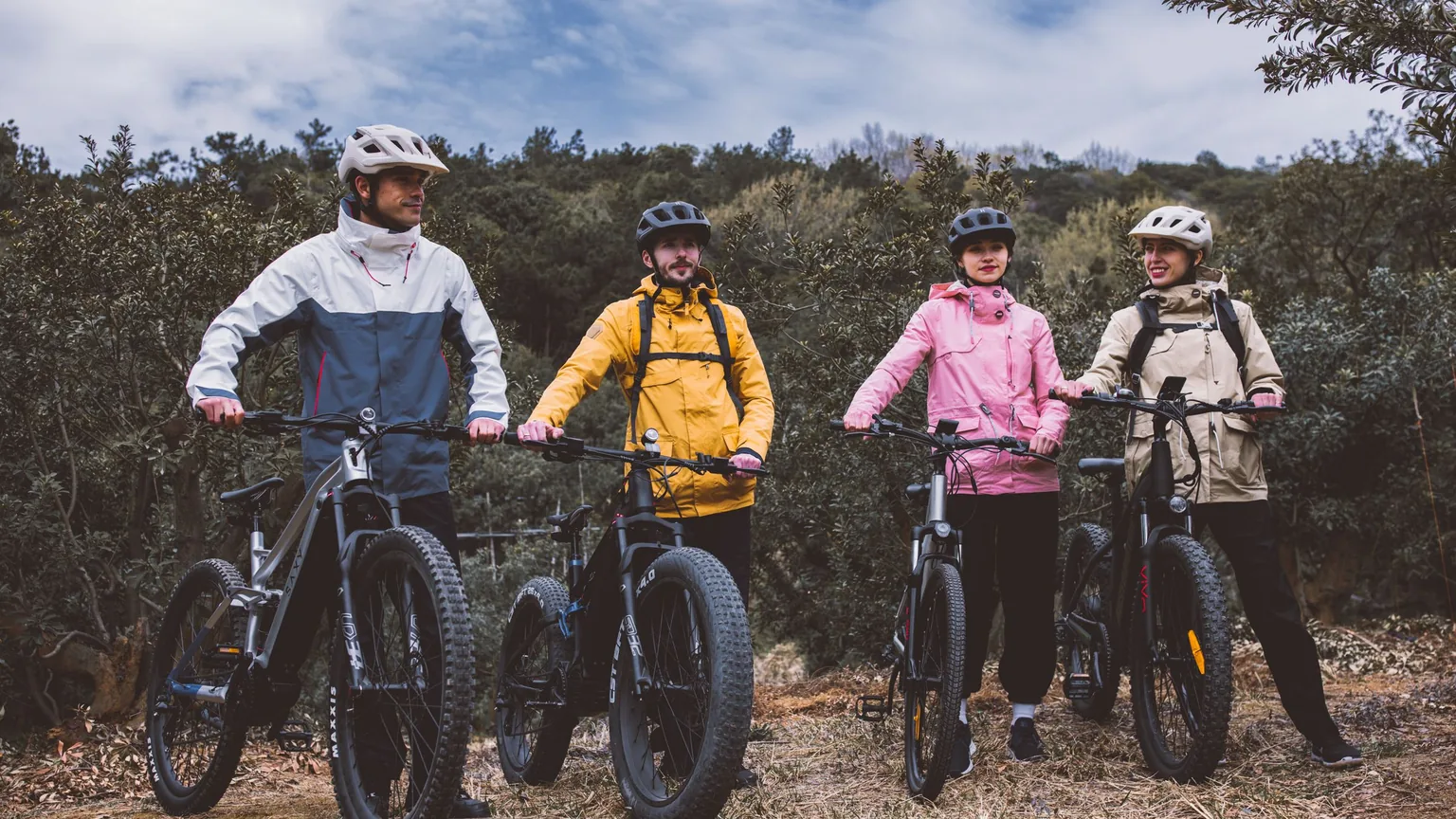
Sponsorship is one of those things a small club assumes is out of reach - something proper organisations with a marketing budget do, not a group of riders who meet on a Sunday morning to get muddy in the hills. And the version you're probably picturing genuinely is out of reach: a national brand, a big cheque, a logo everyone would recognise stitched across the back of a jersey. Chasing that mostly gets you ignored, because you're one email in a marketing manager's inbox next to a hundred others, and you've got nothing they can't buy somewhere bigger and shinier. The sponsorship that's actually available to you is a different and much smaller thing - local, close to home, built on a relationship rather than a media plan - and the good news is that it's the kind that tends to work, if you go about it without embarrassing yourself.
Let me carry one example the whole way through so none of this floats off into theory. Say you help run Rimba Trail Parahyangan, an off-road motorbike community in the hills west of Bandung - 80 or 90 riders on trail bikes (plenty of KLX and CRF in the mix), a monthly jelajah out through the pine forest and the river crossings, and a WhatsApp group that never quite goes to sleep. There are things you'd love to pay for and can't: a proper first-aid kit at every ride, a banner that doesn't look like it was printed in a panic, maybe a shirt people actually want to wear afterwards. Sponsorship is how a group like yours covers those without reaching into the members' own pockets every single time. It's one of several ways to bring in money that isn't dues - I've written more broadly about the rest of them over in non-dues revenue ideas - and this piece is just about the sponsorship one, because it's the one I see clubs get most wrong.
What you've actually got to sell
Before you talk to anybody, it's worth being honest with yourself about what you have to trade, because it's easy to overstate it and just as easy to undersell it. You're not selling reach in the way a billboard sells reach. What you're really offering a sponsor is a warm, trusting audience of people who all care about the same thing, and a small business that wants exactly those people is often glad to pay for a proper introduction to them. In concrete terms, the things a group like Rimba Trail can put on the table usually come down to a handful:
- A logo on your kit and banners. The club shirt, the event backdrop, the banner at the trailhead where everyone stops for photos. It's the most visible thing you've got, and it's worth more than people assume because those photos end up all over Instagram anyway.
- A shout-out on your social channels. A genuine post thanking the sponsor, a tag, a story from the ride. Small in isolation, but if your feed is active and your riders actually engage with it, a local business will value a plug to a few thousand people who trust the source more than they value a cold ad.
- Naming a ride or an event. "Jelajah Rimba, didukung oleh Bengkel Karya Motor" costs you nothing and gives the sponsor top billing on the one thing your members are genuinely excited about. If you're weighing up which events are worth building around, I've gone into that separately in association event ideas.
- Access to your members. This is the real one, and the one clubs undervalue most. A stall at your gathering, a chance to demo a product, a discount code that only your members get. A tyre shop or an outdoor-gear store would often rather have thirty minutes in front of your riders than a month of paid ads, because your riders are precisely the customers they're chasing.
Notice that only the first two are really about visibility. The last two are about access, and access is what a small, specific community like yours has that a big generic audience doesn't. Lead with that.
The right sponsors are already nearby
Here's where most clubs go wrong: they aim too high and too far away. They draft an earnest email to a national fuel brand or a big motorcycle manufacturer, hear nothing back (or get a polite template about "not taking on new partnerships this quarter"), and quietly conclude that sponsorship isn't for a club their size. But the sponsors worth talking to were never the big brands. They're the businesses within a few kilometres of you whose customers are, more or less, your members.
For Rimba Trail, that list writes itself once you think about where the riders already spend their money. The bengkel that services half the bikes in the group. The shop that sells trail tyres, oli, and spare levers. The warung kopi at the foot of the hill where everyone ends up after a ride, wet and starving. An outdoor-gear or riding-apparel store in town. A villa or a small resort near the good tracks that wouldn't mind a group of riders knowing it exists. None of these are going to hand you tens of millions of rupiah, and you shouldn't ask them to - but any one of them might happily put in a bit of money, or a bit of product, in return for being the club's name for a season.
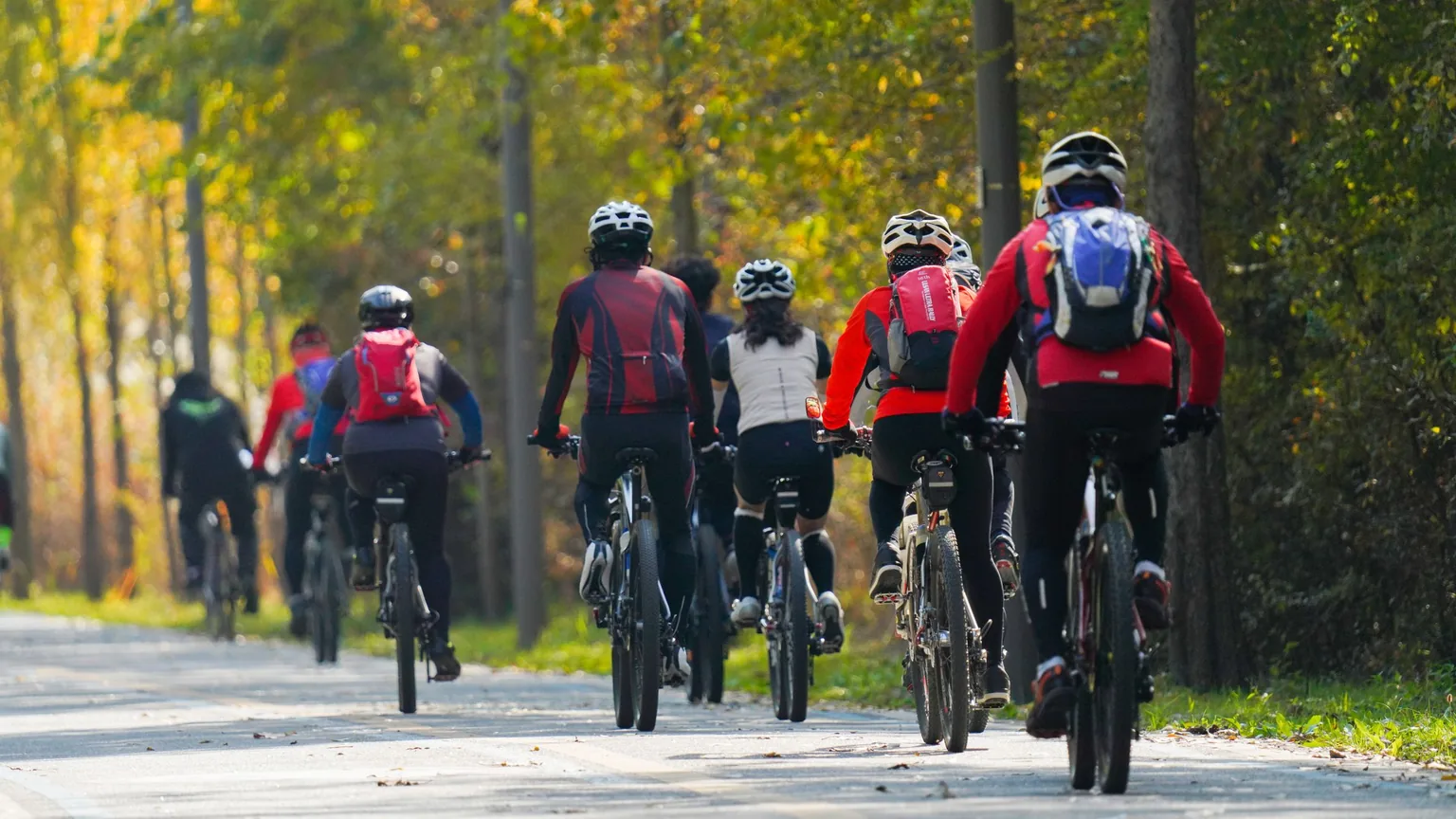
The relationship matters more than the size of the business, and it usually already exists. Somebody in your group knows the owner of the bengkel, or rides with his nephew, or has been buying tyres off him for years. That warm connection is worth more than any cold pitch to a stranger with a bigger budget, because the owner isn't really evaluating a marketing opportunity - he's deciding whether to back a group of people he already likes and half-belongs to. Start every conversation there, with someone who's actually met the person, and you'll get a yes far more often than a well-written email to head office ever would.
Make it a one-page offer, not a glossy deck
When you do sit down with a potential sponsor, resist the urge to build a fifteen-slide proposal with a mission statement and a graph of projected engagement. Nobody running a local bengkel wants to read that, and putting it together will eat a weekend you could have spent riding. What actually works is a single page - it can be a nicely laid-out PDF, or honestly just a clear WhatsApp message - that answers the three things a sponsor cares about: who you are, what they get, and what it costs.
So for Rimba Trail that one page might say: we're an off-road community of around 85 active riders in the Bandung hills, we run a monthly jelajah plus a bigger annual event, our Instagram reaches a few thousand riders in the region, and here's what we can offer at each level, with the price next to it. That's it. Put a real person's name and number at the bottom, not an info@ address nobody checks. The whole point is that the sponsor can read it in a minute, understand exactly what they're buying, and say yes without a second meeting.
Put the numbers on the page. The single most common mistake is being coy about price and asking the sponsor to "get in touch to discuss packages". Local business owners are busy and they hate ambiguity - tell them plainly that the trailhead banner is X and the season title is Y, and let them pick. You'll close far more deals by being specific than by leaving it open.
Keep the packages small and real
Price this for the businesses you're actually approaching, not for the fantasy sponsor who never replies. A local bengkel or warung is thinking in hundreds of thousands to a few million rupiah, not tens of millions, and if your cheapest option has a scary number on it they'll just say no and feel awkward about it. A sensible ladder for a club Rimba Trail's size might look something like three tiers: a small "teman jelajah" level around Rp 500rb - 1 juta that gets a logo on the banner and a thank-you post; a middle level around Rp 2 - 3 juta that adds the logo on the club shirts and a stall at an event; and a season or event title around Rp 4 - 6 juta that names the ride and puts the sponsor front and centre on everything. Those are ranges on purpose - what your particular corner of the market will bear is something you'll only really learn by asking a few people and watching where they flinch.
Two honest caveats. First, most of your sponsors will land at the small end, and that's completely fine - three businesses at Rp 1 juta is the same money as one at Rp 3 juta and spreads your risk, so don't turn your nose up at the modest ones. Second, plenty of the best local deals aren't cash at all. The bengkel might rather sponsor you in kind - service the club's bikes at cost, throw in a set of tyres for the raffle, keep a first-aid kit stocked - and for a trail community that can be worth more than the equivalent in rupiah, because it's exactly the stuff you'd have spent the money on anyway. Take the in-kind deals seriously; they're often the ones that last.
A national brand gives you a template rejection. The bengkel two streets away gives you Rp 2 juta and fixes a member's bent forks at cost, because his nephew rides with you. That's not a smaller version of the same thing - it's a better thing.
Deliver what you promised, then tell them it happened
This is the part clubs skip, and it's the part that turns a one-off into a sponsor who's still with you in three years. Getting the money is the easy bit. Actually delivering what you sold - and then, crucially, showing the sponsor that you delivered it - is what earns you the far easier second year, where you're renewing a happy partner instead of starting the whole hunt again from scratch.

None of this needs to be fancy. After the ride, send the sponsor a short message with a few good photos of their banner in the wild and their logo on the shirts, tag them properly in the posts you promised, and tell them honestly how it went - how many rode, roughly how many people the posts reached, whether anyone came into the shop off the back of it. Under-promise a little when you're selling, so that delivering feels like a pleasant surprise rather than a shortfall you have to explain away. And when the season's done, don't wait for them to wonder whether it was worth it - go back with a one-paragraph "here's what we did together this year, same again?" while the goodwill is still warm. Renewing a sponsor who already trusts you is a ten-minute conversation. Finding a new one is a month of them.
Don't chase the big brands (really)
I want to be plain about this because it's where clubs waste the most effort. The instinct is that a bigger sponsor is a better sponsor, so the ambitious thing to do is aim high - the national tyre brand, the energy drink, the manufacturer. In my experience that's almost always the wrong use of your time when you're small. Big brands have layers of process, they want reach numbers you can't match, and the person you'd need to reach doesn't know you exist and has no reason to care. You'll spend weeks composing pitches into a void.
The local, relationship-based version isn't a consolation prize you settle for until the real sponsors show up - it's genuinely the better model for a club your size, and it stays better even as you grow. The businesses near you can actually see the value (their customers are literally your members), the decision-maker is one friendly conversation away, and the whole thing runs on trust that already exists rather than trust you'd have to manufacture. Get two or three good local sponsors who feel properly looked after, keep them happy year on year, and you'll have built something far more durable than a logo deal with a big brand that drops you the moment their budget shifts. Start small, start close, and let it grow from there….
A fair bit of the fiddly side of this - keeping track of who your members are, seeing which posts and events they actually turn up for, having the numbers to hand when a sponsor asks "so how many people am I reaching?" - is the kind of thing Anggota is built to take off your plate, so the sponsorship conversation is backed by real figures rather than a hopeful guess. If that sounds useful you're welcome to try it for free and see how it fits your club. And if you'd rather take these ideas and run them through a spreadsheet and a WhatsApp group like plenty of good clubs do, that's genuinely fine too - the approach works whatever you use to run it, and a sponsor who feels like part of the community is worth building however you get there.