

EN, Language: English
Language
EN, Language: English
Getting started
Starting and setting up a membership organisation from scratch.
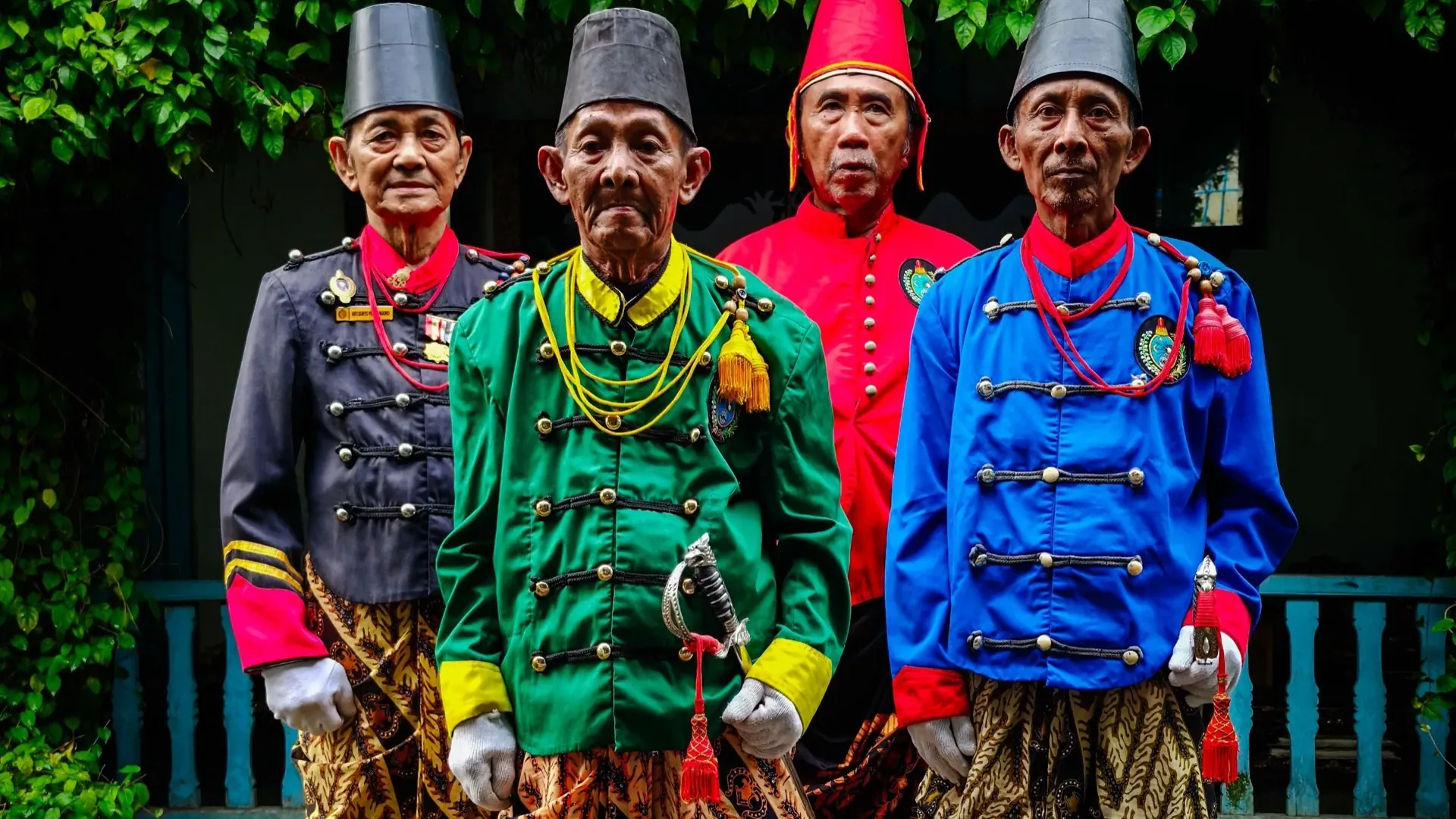
Perkumpulan or yayasan: which legal shape fits a membership group
Indonesian law gives you two obvious containers for an organisation, and only one of them really has members. Here is the difference in plain terms, and why picking the wrong one gets awkward around the third year.

When a WhatsApp group quietly becomes an organisation
Most groups do not start as organisations. They start as a chat, an arisan, a handful of people who kept turning up. Here is how to tell when yours has crossed the line, and what to put in place the week you notice.

The first committee meeting, and the six things to settle in it
The founding meeting sets habits that outlast everyone in the room. Here is a short agenda that decides the things people argue about later, while nobody has any reason to argue yet.

Choosing a legal structure for your association
Most small groups don't need a legal structure at all to get going - you need one when money, contracts, staff or grants arrive. A plain-English look at the common Indonesian options, and when to formalise.

How to start a membership program for a faith community
Nobody joins a mosque or church the way they join a gym, so a faith "membership" is really just knowing your people, keeping in touch, organising the good work, and - gently - funding it. Here's how to do that without it ever feeling transactional.

Starting a sports club: the pitch, the people, the paperwork
A sports club is a regular club plus the awkward physical extras: a pitch you don't own, gear, injuries, and a bill that lands every single week. Here's how to handle the bits that make sport different.
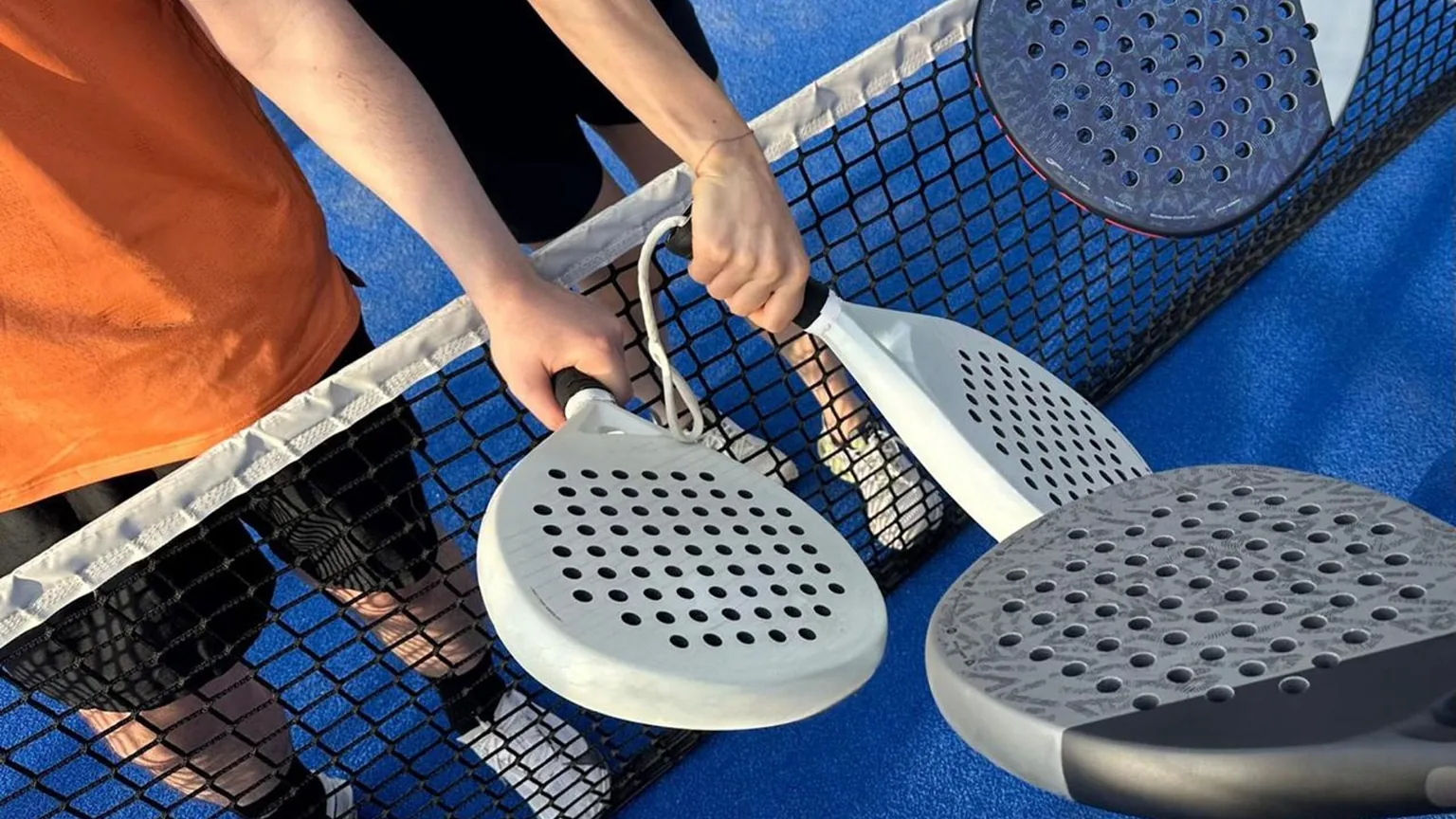
How to start a community or hobby group
The lightweight way to get an interest group going - a few keen people, a regular slot, a WhatsApp group, and enough momentum that it grows on its own. Padel as the running example.

Starting a club: what actually has to happen first
You don't need a logo, a committee or a five-year plan to start a club - you need a few keen people and a regular night. Here's the light, get-going version, in seven practical steps.
Run your whole membership in one place
Anggota keeps your members, renewals, payments and events together, so the admin looks after itself and you can get back to the community. Have a go - it is free to start, no credit card.