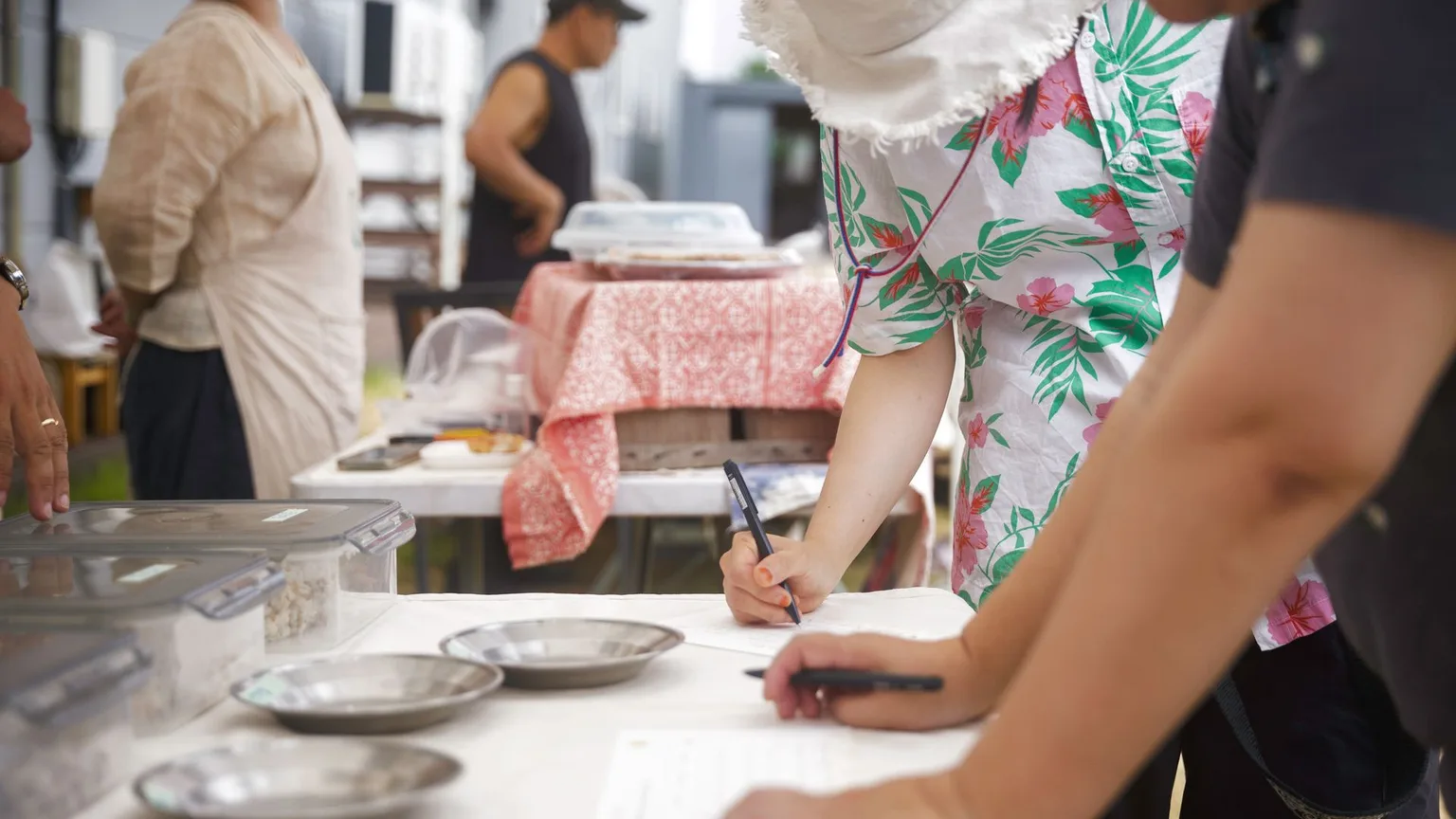

How to start a membership program for a faith community
Nobody joins a mosque or church the way they join a gym, so a faith "membership" is really just knowing your people, keeping in touch, organising the good work, and - gently - funding it. Here's how to do that without it ever feeling transactional.
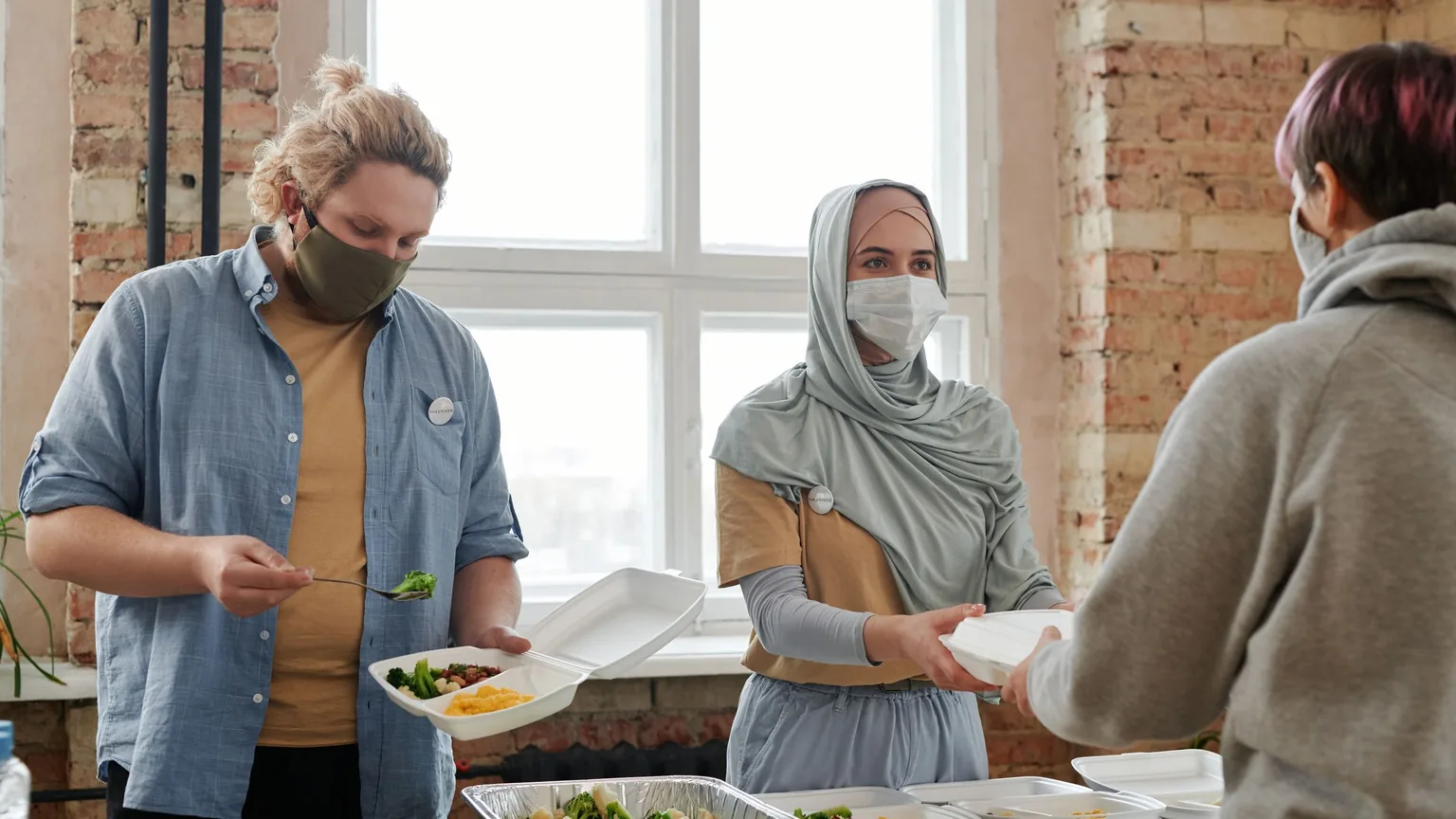
There's something slightly off about the word "member" when you're talking about a mosque or a church. Nobody joins their place of worship the way they join a futsal club or a gym - you don't sign up so much as belong, and for a lot of people that belonging goes back to before they can remember. So when I talk about a "membership program" for a faith community, I want to be honest up front that the phrase does the idea a small disservice, because what you're really building isn't a membership at all. It's a way of knowing the people who are already yours - keeping in touch with them, organising the good work everyone wants to do anyway, and (gently, and only gently) helping fund it - and the moment any of that starts to feel like a subscription with a renewal notice attached, you've taken a wrong turn somewhere.
I'm going to lean on one example the whole way through, and I'll make it a mosque community because that's the shape a lot of readers here will recognise, but almost none of this is particular to one faith - a church with a parish register, a temple or vihara with a circle of regulars who run the festivals and the working bees, they all wrestle with the same handful of very human problems. Say you help run Sahabat Masjid Al-Falah - loosely, "Friends of Al-Falah Mosque" - the group of people around a neighbourhood mosque who organise the things that aren't the prayers themselves: the buka puasa bersama through Ramadan, the monthly kajian, the bakti sosial days, visiting members who are unwell, rallying round a family when someone passes. Perhaps 150 - 250 households come through in a given month, thirty or forty of them do the actual organising, and right now the whole thing lives in one overloaded WhatsApp group and somebody's memory. We'll come back to Al-Falah at every turn.
What a "program" is actually for here
Strip away the word "membership" and what you're left with is four fairly gentle jobs, none of which is new - faith communities have done all four for centuries, just on paper and in people's heads. You want to know who's part of the community, so nobody falls through the cracks. You want to keep in touch, so people hear about the things that matter to them and feel noticed when life gets hard. You want to organise the activities and the volunteers without the same five exhausted people carrying all of it. And you want a clear, unpushy way to handle the giving that keeps the lights on and the good work running. That's the entire program. If a tool or a system helps you do those four things with a lighter touch, wonderful; if it ever gets in the way of them, it's the wrong tool.
Notice what's not on that list. You don't need a program to make people more devout, and you shouldn't try - that's not what any of this is for, and a community that treats attendance like a membership metric will feel cold in a way people pick up on immediately. The point is quieter and more practical than that: it's simply so the caring and the organising that already happen can happen a little more reliably, and so the family that quietly stopped coming after a bereavement gets a knock on the door rather than being forgotten.
Start by knowing who's actually here - respectfully
The foundation of all of it is a simple, current list of who's part of the community, and for most groups that list either doesn't exist or is three years out of date on a laminated sheet in a drawer. You don't need much. A name, a way to reach them (almost always a phone number here), roughly where they are in the neighbourhood, the household they belong to, and - if they've offered it - what they're happy to help with. For Al-Falah that last field is gold: knowing that Pak Rahmat is handy with a sound system and Bu Sri always runs the kitchen for buka puasa means you're not starting every event by asking a silent WhatsApp group "siapa yang bisa bantu?" and hoping.
But be careful and be respectful about what you write down, because a faith community's records are more sensitive than a sports club's, and people are trusting you with them. Keep the list to what you genuinely need to look after people and organise things. Resist the urge to record how much each person gives in a way that sits next to their name like a scoreboard - I'll come back to why that particular habit does real damage. Don't collect things you've no use for. And keep the whole thing somewhere access is limited to the handful of pengurus who actually need it, not floating around as a spreadsheet forwarded to forty phones. None of this is complicated, but it's the difference between people feeling known and people feeling surveilled, and in a community built on trust that's not a small distinction.
A quiet test of your records: could you, right now, produce a list of every household that's gone quiet in the last few months - stopped coming, stopped replying - so someone could gently check in on them? If the honest answer is "no, we'd never notice until much later", that's the single most valuable thing this whole exercise gives you, and it has nothing to do with money.
Keep in touch where people already are
You don't need to talk anyone in Indonesia into using WhatsApp - it's already where the community lives, and any plan that starts with "we'll get everyone onto a new app" is quietly doomed, so don't fight it. The trouble isn't the platform, it's that one giant group tends to collapse under its own weight: important announcements about a wafat or a change of time get buried under two hundred messages of stickers and forwarded good-mornings, the people who most need to hear things are the ones who muted the group months ago, and nobody can find anything. The fix is boring and it works - separate the channels by what they're for.
For Al-Falah that usually means a broadcast or announcement channel that only the pengurus post to, for the things everyone genuinely needs (the kajian is moved to Saturday, there's a takziah at the Wahyudi family's home tonight), kept deliberately low-traffic so people don't mute it. Then smaller working groups for the people actually organising a given thing - a Ramadan committee group, a bakti sosial group - that go quiet between events. And the big chatty group, if you want one, stays as the warm social space it already is, with nobody pretending it's where official things get communicated. That's it. It sounds obvious written down, but the number of communities drowning in one unmanageable group because splitting it felt like a hassle is genuinely most of them.

Organising the volunteers and the events
The events are the whole reason the community feels like a community, and they're also where good people quietly burn out, so this is worth getting right. Ramadan is the big one for a mosque - buka puasa bersama most nights, more people, more cooking, more money moving through more hands in a month than the rest of the year combined - and it's precisely the time you don't want the whole thing resting on Bu Sri and two others until they're too tired to enjoy any of it. The answer isn't a clever system, it's the unglamorous discipline of spreading the load: knowing from your list who offered to help with what, rotating the jobs so the same people aren't always on the hook, and handing small, real bits of ownership to newer or younger members (the remaja masjid are usually itching to be trusted with something).
That last part matters more than it looks. A person who's been given a genuine job - running the sound, organising the santunan for the orphans, keeping the buka puasa roster - is a person who feels part of the thing rather than a spectator at it, and they're far more likely to still be around and helping next year. It also, not incidentally, means the community doesn't quietly fall apart the day its one indispensable organiser moves cities. Much of this is the same momentum-and-small-roles logic that holds any volunteer group together, and I've written about the get-going version of that in the guide to starting a community group if you want it from that angle.
Money, handled gently and out in the open
Here's the part that needs the most care, because faith communities run on infak and sedekah and the goodwill of people who give what they can, and the fastest way to poison that is to make it feel transactional. So the first rule is the one that sounds least like advice: never pressure anyone, ever. No "your dues are overdue" messages, no public ranking of who gave what, no membership that lapses if you didn't contribute this month. Giving in a faith community is voluntary and often private by nature, and the moment it starts feeling like a bill, you've broken something that's very hard to mend and cheapened the thing people valued about giving in the first place.
What you can do - and should - is make giving easy and make it transparent, which are different things from making it pushy. Easy means a QRIS code on the wall and in the announcement channel so someone who wants to contribute can do it in ten seconds rather than hunting for cash, because plenty of people genuinely mean to give and simply never have the notes on them. Transparent means telling everyone, plainly and regularly, where the money went: Rp 8.500.000 collected over Ramadan, Rp 6.200.000 spent on the buka puasa meals, the rest to the santunan fund, here's the breakdown. That kind of openness does more for giving than any amount of encouragement, because people give freely when they can see their money is handled honestly and stops the instant they suspect it isn't.
The transparency habit worth building: a short, plain statement of what came in and what went out, shared with the whole community every month or after every big event. Not a glossy report - just honest numbers, the way you'd show a friend your working. It quietly answers the question nobody likes to ask out loud, and a community that never has to wonder about the money is a community that keeps trusting the people running it.
It runs on belonging, so don't let the machinery show
If there's one thing to hold onto through all of this, it's that a faith community is held together by belonging and trust, not by administration, and the admin only exists to serve the belonging. This is the opposite of how you'd run a paid membership, where the renewal and the payment page are the point. Here they're not the point at all - they're the plumbing, and plumbing that everyone can see and hear is plumbing that's gone wrong. The welcome should feel like a person noticing a person, not an automated onboarding sequence. The check-in on a family that's gone quiet should feel like a neighbour who cares, because it is one, not like a re-engagement campaign firing because a flag went up in a system.
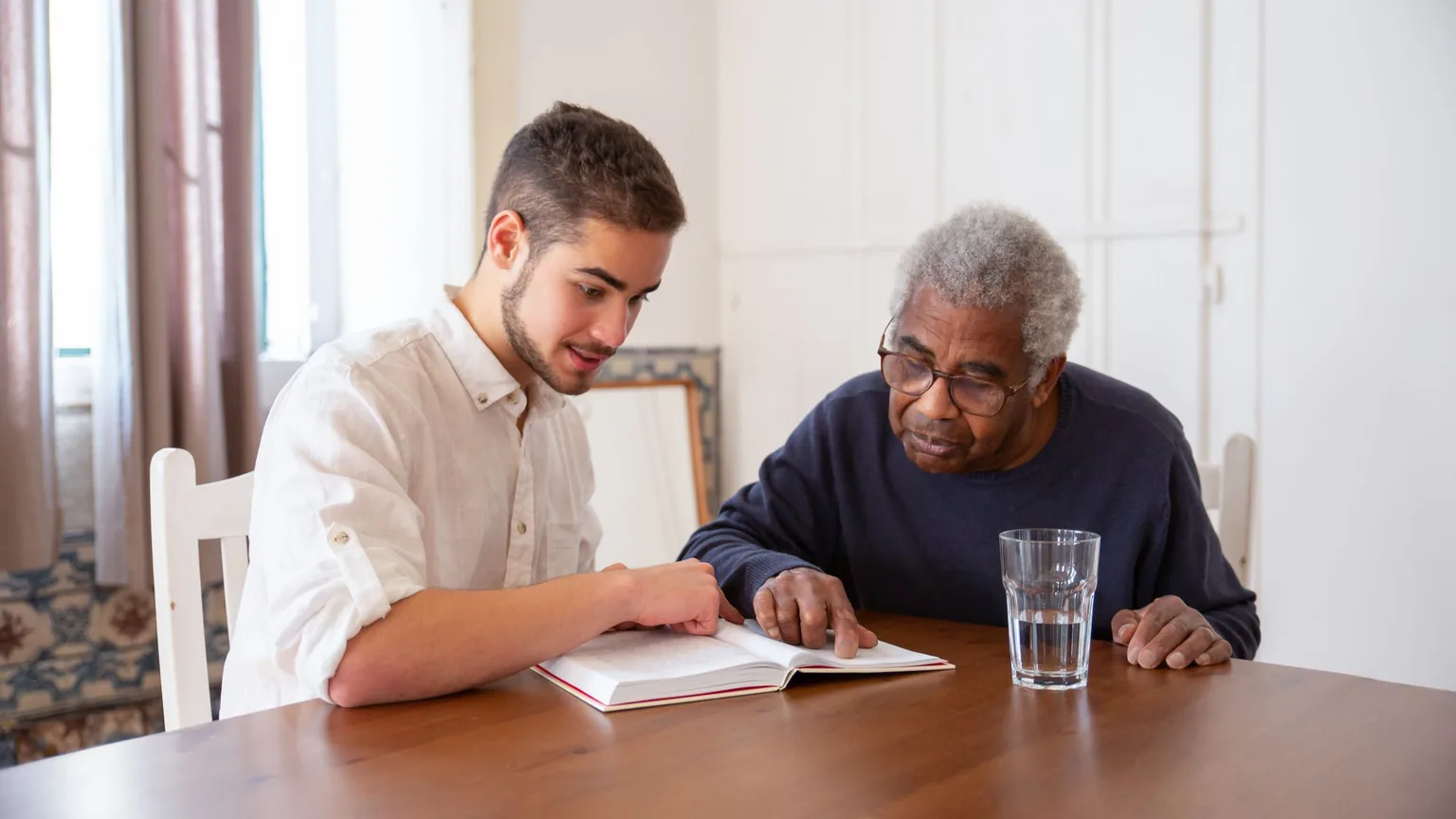
The practical version of that principle is simple: let the tools do the remembering so the people can do the caring. A list that tells you Bu Aminah hasn't been to anything since her husband passed is doing its job precisely so that a human being, not a message template, picks up the phone. Use the system to catch what a busy volunteer committee would otherwise miss, and then respond to it as people, warmly and by name. Get that order right and nobody ever feels like a record in a database, even though, somewhere in the background, that's helpfully what they are.
When the WhatsApp-and-memory version starts to strain
For a good long while - longer than you'd expect - a phone full of contacts, a shared spreadsheet and a well-split WhatsApp will carry a community like Al-Falah perfectly well, and while that's still comfortable, leave it exactly as it is. Don't go buying software for a group of fifty that a notebook handles fine. The point where the manual version starts to creak is a specific and recognisable one: you're re-typing the same names into every event, you genuinely can't tell who's drifted away, the Ramadan money is scattered across three people's notes and nobody's quite sure it adds up, and the community has grown past the size one person can hold in their head - which for most groups arrives somewhere around the 150 - 250 household mark, or the first year the events get properly big.
That's the moment a bit of structure stops being overhead and starts giving you your evenings back. If the community is also growing into something more formal - a proper committee, real money moving through it, perhaps the question of registering as a yayasan - the longer guide to starting a membership organisation walks through the governance and money side without over-complicating it, and you'll want it eventually. Start small, though, and add structure only when the admin genuinely hurts rather than because a guide told you to. Do the simple version first, see what strains, fix one thing at a time….
The short version: know who's actually part of the community and keep those records respectfully, keep in touch where people already are, spread the organising so nobody burns out, handle the giving gently and out in the open, and above all never let any of it feel transactional - because belonging, not administration, is what a faith community is really made of.
Keeping a community list current, splitting the announcements from the noise, quietly flagging the family that's gone quiet, and showing everyone honestly where the giving went - that's the sort of unglamorous remembering Anggota is built to take off a volunteer committee's plate, free to start, so the pengurus can spend their time on people rather than paperwork. But plenty of communities run beautifully on a spreadsheet and a well-organised WhatsApp for years first, and the ideas here hold whatever you use to carry them - a QRIS code and an honest monthly summary do the important work regardless of the tool underneath. Above all, good luck with it, and may the work be easy on the ones who quietly do it.