
How to start a community or hobby group
The lightweight way to get an interest group going - a few keen people, a regular slot, a WhatsApp group, and enough momentum that it grows on its own. Padel as the running example.
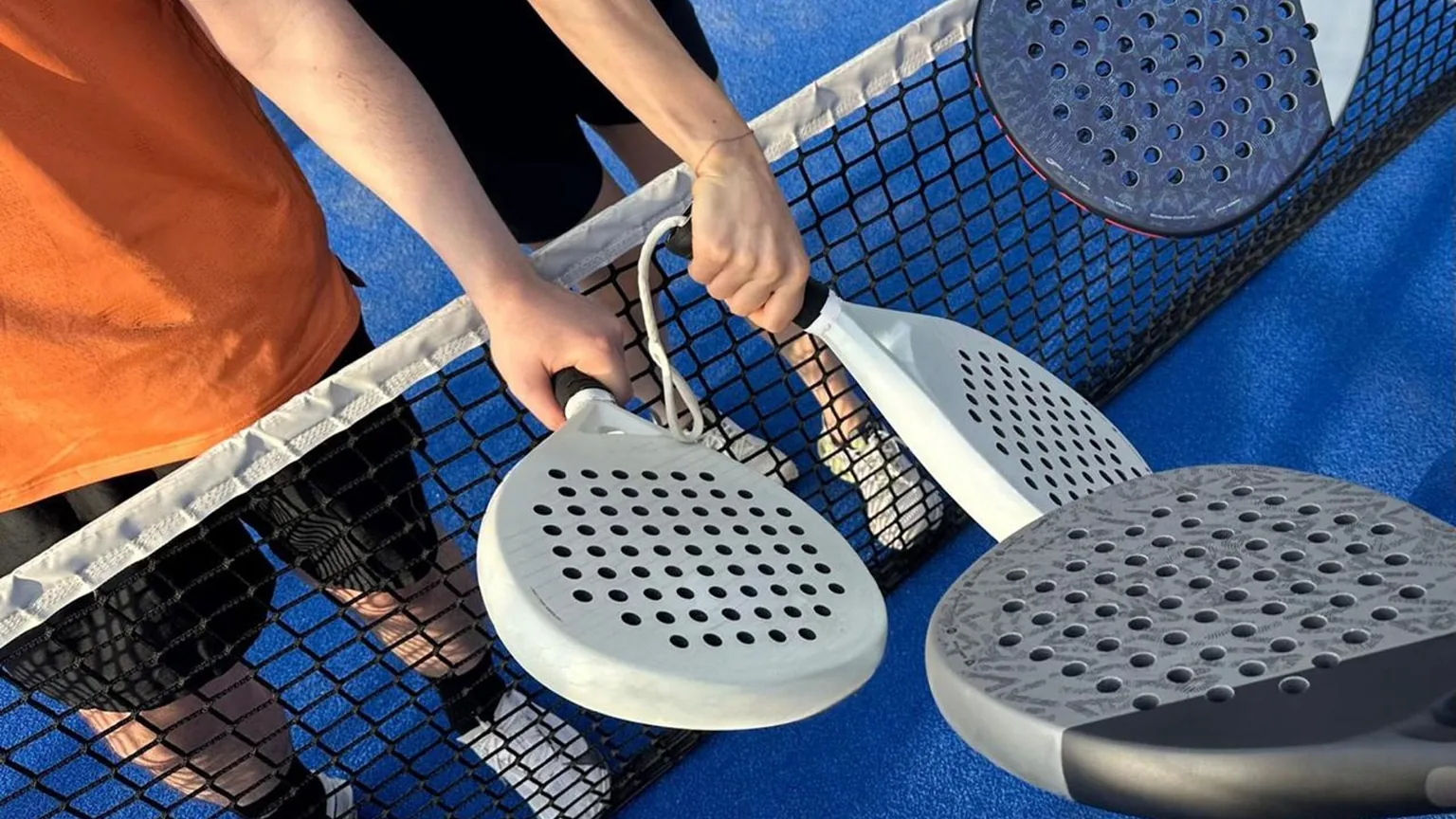
There's a version of "starting a community" that turns into a project almost immediately - a name, a committee, a set of rules, a plan for where it'll be in three years - and honestly, for a hobby group, nearly all of that is effort spent in the wrong place. Almost every good community I've come across started with a handful of people who liked the same thing and found a regular excuse to do it together, and whatever looks organised about it now got bolted on much later, once there was actually something worth organising. So if you've got an idea for a group buzzing around your head and a nagging sense you ought to have it all mapped out first, you don't. A community is really just momentum - the same faces, turning up often enough that it becomes a habit - and you can start building that this week.
This is the loose, get-going version, aimed squarely at an interest or hobby group rather than anything formal. If what you're picturing is bigger - something that'll grow into a proper organisation one day, with real money, contracts, maybe a committee that answers to members - the longer guide on starting a membership organisation covers the governance side properly, and you'll want it eventually. And if it's specifically a regular sports club you're after, with a fixed weekly slot and proper dues, there's a separate guide on starting a club that fits that shape better. What follows sits deliberately below both of those: less structure, more momentum.
Let me carry one example the whole way through to keep it concrete. Say you've caught the padel bug - and if you're anywhere near a city in Indonesia right now, half the people you know probably have, because the courts are going up faster than anyone can book them - and you want a regular group to play with rather than scrambling for a fourth player every single time. We'll call it Reli Sore ("evening rally"), a casual padel crew you're starting in Jakarta because the courts near you are packed at weekends but sit half-empty after work on weeknights, and you're tired of cobbling together a game one WhatsApp message at a time. We'll come back to Reli Sore at every turn.
Start with the people, not the plan
This is where the loose version really parts ways with the formal one: you don't begin with a structure and then recruit people into it, you begin with a few people and let the structure, such as it is, grow around them. So before anything else, go and find your first handful - not fifty, not a mailing list, just six or eight people who are genuinely keen. For Reli Sore that's a couple of mates you already hit with, a message in the right WhatsApp groups, maybe a word with the friendly staff at the court who always seem to know who's looking for a game. You're not selling anything and you're not asking for a commitment; you're just watching for the difference between "oh yes, count me in" and polite silence.
The reason to start with people rather than a plan is that people are the part you can't fake. A padel community with eight keen players and no logo is a community; a beautifully named group chat with a banner and two people who might come along is not. If you can't find six or eight who'll actually turn up to a first session, that's worth knowing now, cheaply - it usually means the timing's a bit off, or you need to widen the net a little, not that you need a better plan. And don't be put off if the first few you ask are lukewarm; you only need a small core to get the ball rolling, and momentum does most of the rest….
Pick a rough regular slot and just book a court
Once you've got your keen few, the single most useful thing you can do - more useful than any amount of organising - is settle on a rough regular time and actually book something. Not a fixed, formal, same-time-forever commitment; just a default people can loosely plan around, like "Wednesday evenings, around 7". Padel does force a little structure on you here, because a court fits four and you book it by the hour, so someone has to reserve it and someone has to make sure four people show up - but that's the whole of the admin, and it's worth keeping it that small on purpose.
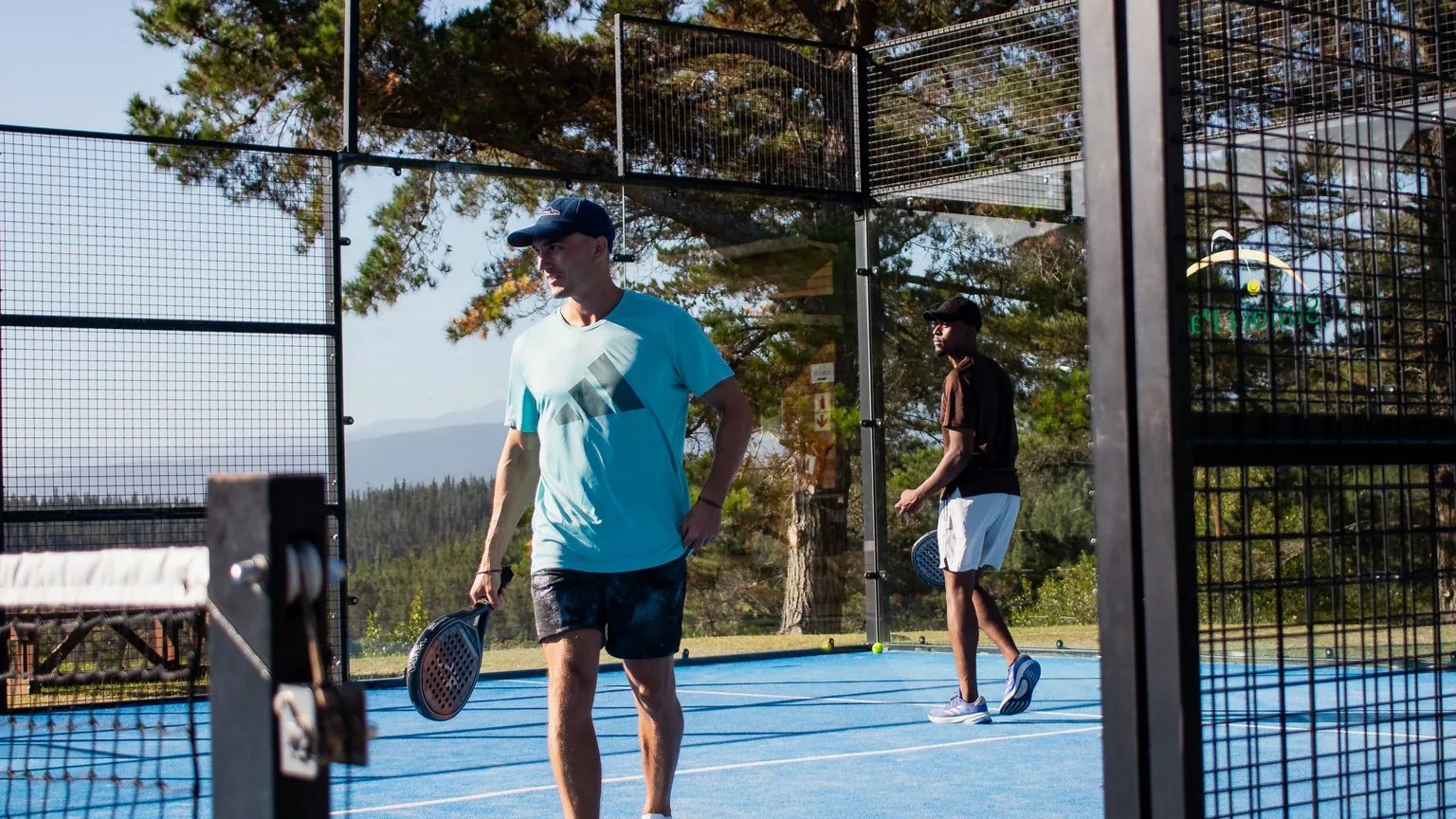
The trap to sidestep is waiting until it feels properly "ready" before you book the first one, because it never quite does. Book a court for next Wednesday, tell your six or eight exactly what to expect - where, when, roughly what it'll cost, that rackets can be hired if they haven't got one yet - and just run it. The first session doesn't need to be slick; it needs to happen and to feel friendly, because the people at that first game are the ones who'll drag a friend along to the next. And with padel that part is easy, because it's an absurdly sociable game to pick up - four people, a low net, the walls in play, rallies that actually last, and nobody left standing around feeling useless. Get a couple of games going and the group more or less makes itself.
Keep everything in one place, and let that be WhatsApp
You need somewhere for the group to live, and for a padel crew in Indonesia the answer is almost always WhatsApp, so don't overthink it. A single group is where you'll float dates, sort out who's in for Wednesday, split the court cost, share the odd clip of someone's improbable winner, and generally keep the thing warm between sessions. That's genuinely all the "platform" a new community needs, and reaching for anything more elaborate this early - an app, a members' area, a booking system - is a classic way of feeling busy while the actual community hasn't quite happened yet.
One small thing worth doing early, though: keep a simple, separate list of who's actually in - names, numbers, whether they've paid their share for a session - somewhere other than the chat ie a note in your phone or a plain spreadsheet, because WhatsApp is wonderful for talking and hopeless for remembering. At this size that's plenty. It sounds like nothing, but the day you're trying to work out who still owes you for last week's court while forty messages about the weekend scroll past, you'll be glad it's written down somewhere sensible. Don't build a system for it - just don't rely on the chat to be your records.
What, if anything, to charge
Here's where a hobby group gets to be refreshingly simple compared with a formal membership: at the start, you probably shouldn't "charge" anything at all in the dues sense - you just split the court. Padel isn't cheap to hire, so this is the one bit of money you can't avoid, but it's easy to keep clean. Work out the court cost, divide it by however many played, collect each person's share on the day. In Jakarta a court runs somewhere around Rp 350,000 - 450,000 an hour depending on the venue and the time, so a 90-minute session is roughly Rp 525,000 - 675,000, and split between four players that's about Rp 130,000 - 170,000 each. Show people the sum openly - "court was 600 tonight, so that's 150 each" - and nobody ever feels squeezed, because they can see exactly where their money went.
Dues, meaning an actual membership fee on top of the court, are something you can add later or never. You'd only want them once there are shared costs beyond the court to cover: a stock of club rackets for newcomers to borrow, a supply of balls, a kitty for the occasional social, maybe a small float so you can book courts ahead without chasing everyone first. Even then, keep it modest and keep the maths open, and start on the low side - Rp 30,000 - 50,000 a month is plenty for a casual crew, and you can nudge it up later far more comfortably than you can ever talk it back down. If money starts to feel like the main event, you've drifted away from what the group is for. It's padel with friends, not a business.
Pairing players is half the job, and most of the fun
With most hobby groups the organiser's job is mostly logistics; with padel there's one extra thing that quietly makes or breaks how the whole thing feels, and that's how you pair people up. Because it's doubles, and because a new crew will always be a mix of complete beginners and a few who played tennis for years, if you let the four strongest always play together you'll lose the beginners inside a month - they'll spend the evening being blasted off the court and quietly decide it isn't for them. The fix is easy and it's half the fun: mix the pairings deliberately. Padel even has ready-made formats for exactly this - an "americano" or a "mexicano", where partners rotate every few games so everyone ends up playing with and against everyone - and they turn a night of four fixed pairs into something far more social, and far kinder to mixed levels.

And lean into the social side, because for a community that isn't a nice extra, it's the actual glue. The game is only ever half of why people come back; the other half is the fifteen minutes of laughing about the point nobody won afterwards, the round of cold drinks courtside, the group chat replaying it all the next morning. So build a little room in for that - don't book the court so tightly that everyone bolts the second the hour's up, and don't be shy about tacking a casual bite or a drink onto the end now and then. If you want a fuller sense of what actually keeps people coming back to a group like this, there's a piece on member benefits that lands on the same conclusion from a different angle: it's belonging that holds a community together, far more than any perk.
Let it grow on its own
A good hobby community grows the way a good rumour spreads - one person brings a friend, that friend turns out to be great and brings two more, and six months later there are thirty of you and a quiet scramble for spots on a Wednesday. That's the natural way these things scale, and it's worth trusting it rather than forcing it. So make bringing a friend the easiest thing in the world - "spare spot this week, drag someone along" - and every so often let a keen newcomer take on a small job, because people who are handed a little ownership tend to stick around, and it lightens your load at the same time. Reli Sore might start as two courts of eight and, without any grand plan, drift up to 30 - 40 regulars across a few nights a week, simply because it's a good time and word gets round.
The thing you're actually protecting as it grows is momentum, not size. A community lives or dies on whether the next session happens, so the boring discipline that matters is just keeping the regular games ticking over - even the weeks when only enough for one court show up, even when you can't personally be bothered to organise it. That's normal; every group has thin weeks, and it isn't a sign the thing is failing. Keep the slot alive, keep it warm, spread the small jobs around so it doesn't all rest on you, and a group like this builds gradually and then, quite often, rather suddenly.
When the loose version starts to creak
For a long time - longer than you'd think - a WhatsApp group, a note in your phone and an honest split of the court will carry a padel community perfectly well, and while that's still comfortable, leave it exactly as it is. The point where the loose version starts to creak is a specific one, and you'll feel it: you're spending your evenings chasing who's paid, re-typing the same names, quietly covering the shortfall yourself when three people "forgot", and losing track of a group that's grown past the size one person can hold in their head - which tends to arrive somewhere around the 30 - 50 regular mark, or once you've added real dues. That's when a bit of structure stops being overhead and starts saving you time.
That's also roughly the moment the two bigger guides start to earn their place. If the group is turning into something you're formalising - proper dues, a real float, perhaps a committee to share the load - the guide to starting a membership organisation walks through the governance and money side without over-egging it. And a proper membership tool (Anggota is built for exactly this handover) will take the remembering and the collecting off your plate so you can get back to the actual padel. But, and I mean this, don't reach for any of it until the manual version genuinely hurts. Structure added too early is just admin you've invented for yourself.
The short version: start with a few keen people, pick a rough regular slot and book a court, keep it all in WhatsApp, split the court cost openly and add dues only if you must, mix the pairings so everyone has a good time, and then just keep the games happening. The structure can wait until the group is big enough to actually need it.
Once a padel crew grows to the point where it's the tracking and the collecting eating your evenings rather than the padel itself, that's the bit Anggota is built to take off your hands - members, payments and the group's admin in one place, free to start. But plenty of good communities run happily on a WhatsApp group and a split-the-court honesty system for a long while first, so start with whatever's simplest and only upgrade when the admin, not the ambition, tells you it's time. The ideas here hold whatever you run it on. Above all, good luck with it - your city could do with one more regular game where the same friendly faces turn up to do the thing they love, and somebody has to be the one who finally gets it going.