
Building an online member community
The group chat, the server, the members' area - your community's quiet second home is where belonging survives the gaps between events. Here's how to pick a platform honestly, get it moving from an empty room, and keep it alive without burning anyone out.

Most membership communities now have a second home, and it isn't the room where you meet. It's the group chat, the server, the members' area - the place your people drift to on a wet Tuesday when there's nothing on and they just want to say something to someone who'd get it. That online space is easy to underrate, because it never shows up on a calendar and nobody claps at the end of it, but it's quietly doing a lot of the work of holding a community together in the long gaps between the things you actually organise. Get it right and your membership feels alive all month. Get it wrong, or skip it altogether, and everything goes silent the moment the last person leaves the venue, and stays silent until the next event drags it back to life.
This is a companion to two other pieces, so I'll try not to tread on either. The retention guide is about the bigger picture of people staying, and the engagement ideas piece makes the case for one channel that's genuinely alive without going into how you actually build it. This article is that how. It's specifically about the online space itself - what it's for, which platform to put it on, how to get it moving from a standing start, and how to keep it from curdling into a ghost town that makes your community look deader than it really is.
Let me carry one example the whole way through so this stays concrete. Say you help run Garuda Arena, an esports community of around 220 members who mostly play Mobile Legends and Valorant - weekly mabar nights (main bareng, playing together online), a monthly in-house tournament with a small prize pool, and a few times a year everyone crams into a rented space to watch the big MPL finals together on a projector. The community basically lives on a Discord server, and like most communities that Discord is carried by two or three people, chiefly a founder named Rio who has been keeping it warm more or less single-handedly since it started. That's an ordinary picture, and most of what follows is about making that online space pull its weight without wearing Rio out completely.
What the online space is actually for
Before choosing a platform it's worth being honest about the job you're hiring it to do, because the answer shapes everything else. The online space is not there to replace your events, and it's not there to be an announcement board (though it'll end up doing a bit of that). Its real job is belonging between the events - keeping the thread of the community alive across the three or four weeks when nothing formal is happening, so people arrive at the next thing already mid-conversation rather than starting cold. For Garuda Arena that's the difference between a mabar night where everyone's a bit awkward and quiet, and one where they've been ribbing each other about last week's losses in the chat since Monday and just carry it straight into the game.
That framing matters because it tells you what "working" looks like, and it's not the numbers you'd first reach for. A space that's working isn't the one with the most messages or the most members - it's the one where a fairly new member can post something and get a warm, human reply within an hour or two, most of the time. That's the thing that makes people feel part of it. Everything below is really in service of that one modest outcome, and if you keep it in mind you'll avoid most of the expensive mistakes.
Choosing the platform, honestly
This is the decision people agonise over, and I think they mostly agonise over the wrong part of it. There's no single right platform - there's the one your particular members will actually open, and that depends far more on who they are than on any feature list. Let me go through the three real options plainly, because each of them genuinely suits some communities and quietly kills others.
A WhatsApp or Telegram group
For a great many communities this is the honest best answer, and it's the one people are strangely reluctant to accept because it feels too simple. Everyone already has WhatsApp, it takes nobody any effort to join, and - this is the part that matters most - people actually see the notifications, because it's sitting in the same app as their family and their work. No new account, no learning curve, no "I'll check it later" that never comes. The downsides are real too: it gets messy fast once a group is busy, there's no structure so everything's one long scroll, search is poor, one loud member can dominate the whole thing, and it's usually tied to somebody's personal phone number, which gets awkward. Telegram fixes some of the mess (bigger groups, better search, proper channels) at the cost of fewer of your members already being on it.
A Discord server
Discord is the opposite trade. It gives you real structure - separate channels for separate things, roles, and crucially voice channels where people can talk while they do something together - at the cost of being another app your members have to install, learn and remember to open. For most kinds of community that cost isn't worth paying, and a half-empty Discord with fourteen channels and no one in them is one of the more dispiriting things you can build. But Garuda Arena is exactly the case where Discord earns its keep, because the members need to be in a voice call to play together anyway - the platform isn't overhead, it's the thing they're using to actually game. That's the honest rule of thumb: Discord is right when the online space is where the activity happens (gaming, and not a lot else), and overkill when it's mainly there for chatting, where a WhatsApp group would do the same job with a tenth of the friction.
A members-only area on your own site
Then there's the option that looks most professional and works least often: a forum or members' area built into your own website, that only paying members can get into. On paper it's lovely - you own it, it ties neatly to who's actually a member, it looks like a proper organisation. In practice, forums are mostly where community goes to die, because the notifications are weak and people have to remember to go and visit, which they don't. A members' area is a fine place to keep the things members come looking for (the resources, the directory, the recordings), but as the beating heart of day-to-day conversation it very rarely beats the messy app people already live in.
The rule that settles most of these arguments: a lively WhatsApp group beats a dead Discord, and a dead members-only forum beats nothing at all only because at least nobody's disappointed by it. Liveliness wins over features every single time. So pick the platform your members will actually check without being nagged, not the one with the best diagram of channels - and if you're not sure which that is, it's almost always the one they already have open.
You can move later, and you shouldn't over-plan it
One more honest thing: don't agonise as though this choice is permanent, because it isn't. Plenty of communities start on a simple WhatsApp group, outgrow it, and graduate to something with more structure once there's clearly enough life to justify it - and that's the right order, not a failure of planning. Starting bigger than you need is the more common mistake. A busy WhatsApp group that later strains at the seams is a good problem to have; an elaborate Discord with the tumbleweed blowing through it is just a slower way of discovering nobody wanted it yet.
Seeding it, so it isn't an empty room
Whatever you build, on day one it's an empty room, and an empty room is off-putting in a way that quietly repels the very people you're trying to attract - nobody wants to be the first to speak into a silent space, and nobody wants to join something that looks abandoned. So the early weeks aren't about growth, they're about warmth, and that's mostly a matter of a few people deciding to carry it on purpose until it can carry itself.
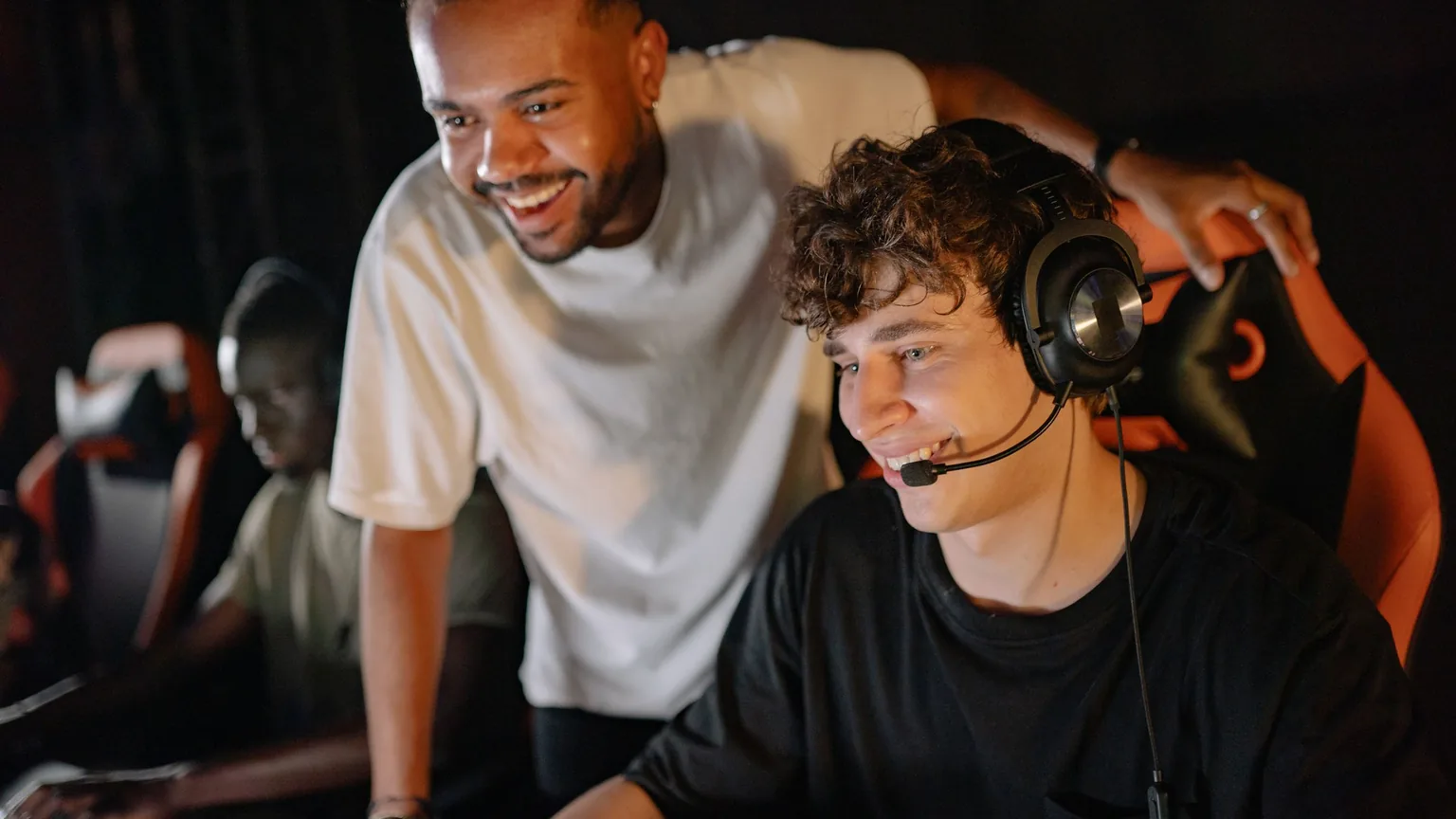
Concretely, that means a couple of things. First, don't launch to silence - launch with a handful of members primed to actually post, so the first person through the door finds a conversation already going rather than a void. For Garuda Arena, Rio might quietly ask three or four of the regulars to be around for the first fortnight, sharing clips of their games, asking who's up for a mabar that night, welcoming each new face by name. Second, give people obvious, low-stakes things to react to - a "who's playing tonight" post, a screenshot of a ridiculous match, a quick poll about which game to run for the monthly tournament. The trick isn't to be interesting, it's to make it effortless for other people to join in, because a question anyone can answer in five seconds does more for a young community than a beautifully written announcement nobody replies to. And welcome newcomers like a person, every time, at least at the start - the first reply someone gets sets their whole sense of whether this is a place worth coming back to.
Light rules, and a couple of humans keeping it warm
Every online space needs a bit of tending, and the mistake at both extremes is easy to make: some communities write a wall of rules nobody reads, and others have none at all and are then shocked when it gets nasty. The honest middle is a small handful of plain norms - be decent, keep it roughly on-topic, no spam, no having a go at each other - stated once, briefly, in language that sounds like a human wrote it rather than a legal team. For a gaming community you'll want one or two specific to the setting (no dropping match-losing rage on people, keep the trash talk friendly), because gaming chat can turn sour faster than most and it's easier to point at a norm you set early than to invent one mid-argument.
Rules matter far less than people, though. What actually keeps a space healthy is a couple of humans who quietly keep it warm - nudging a conversation along when it goes quiet, steering it off the rocks when it gets tetchy (every group gets tetchy eventually), and gently reminding someone of the norms in a direct message rather than a public telling-off. This is real work, and it's the work that burns people out if it all lands on one person, which brings us to the part most guides skip.
Keeping it alive without burning anyone out
Here's the uncomfortable truth about online communities: they run on the energy of a very small number of people, and that energy is not infinite. Rio answering every message, welcoming every newcomer, and keeping the whole Discord warm on his own is not a sign of a thriving community - it's a risk dressed up as a strength, and the day he gets busy or fed up or simply wants an evening off, the whole thing goes quiet and everyone wonders what happened. The single most valuable thing you can do for the long-term health of an online space is spread the tending across more shoulders, so no one person is load-bearing.
I've written about the mechanics of that at length in the engagement ideas piece, so I won't repeat it here - the short version is to hand real roles to real members (a couple of people who help welcome newcomers, someone who runs the weekly mabar post, a rotating host for the monthly tournament) rather than doing it all yourself. It's slower and slightly uncomfortable at first, because handing over a job you're good at means watching someone do it differently and biting your tongue. It's worth it anyway, because a space that depends on one person has a hard ceiling and a short life, and a space where eight people each do a little will comfortably outlast it.
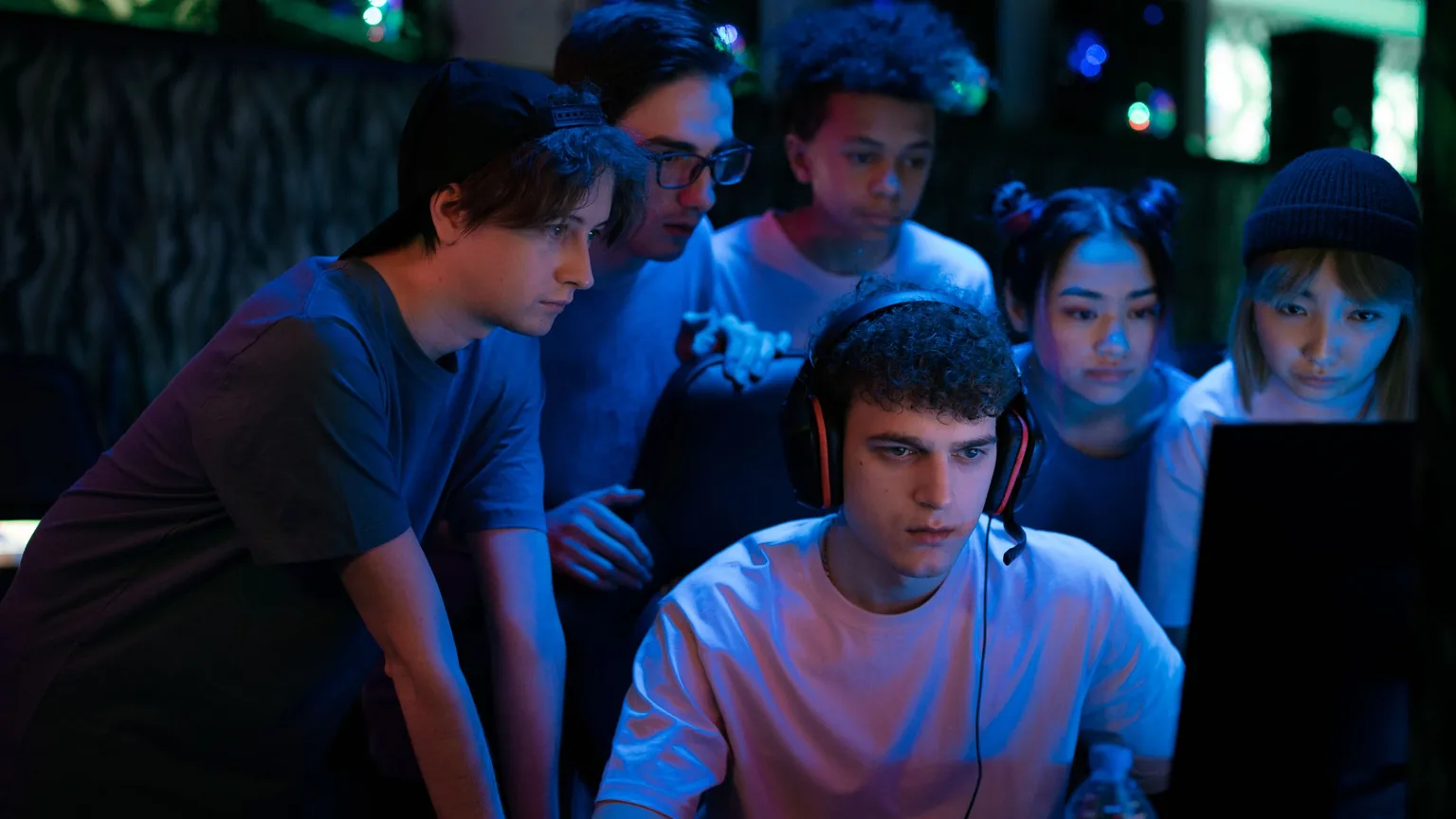
The other thing that keeps a space alive is not treating it as a rival to your in-person events but as the other half of them. Garuda Arena's Discord is at its liveliest in the days right after everyone's been in a room together watching the MPL finals, because they've got something real to talk about and a shared night to relive. The online space keeps the warmth going between gatherings; the gatherings give the online space something to be about. Lean too hard on either alone and it gets fragile - a purely online community tends to fade into a channel nobody posts in, and a purely in-person one quietly shuts out everyone who couldn't make it that night….
When not to build one
And sometimes the right answer is not to build an online space at all, or at least not yet, and I'd rather say that plainly than pretend every community needs one. If your membership is small and sees each other in person often enough, a dedicated online space can be a solution to a problem you don't have - the conversation's already happening face to face, and a half-used chat group just becomes one more thing to feel vaguely guilty about neglecting. If nobody has the appetite to tend it, don't start it, because a visibly dead space is worse than no space at all: it tells every visitor that the community isn't up to much, which may not even be true. And if your members are scattered across three different apps with no common ground, don't try to force them all onto a fourth - meet them where the most of them already are, even if it's imperfect.
The question isn't "should we have an online community" as though the answer were obviously yes - it's "will this specific space, on this specific platform, actually get tended and actually get used by the members we've actually got".
The honest test is small and cheap. Before you build anything elaborate, start the simplest version - a single group on whatever app most of your members already use - and see whether it breathes on its own after the first few weeks of you propping it up. If it does, you've found something worth investing in and you can add structure as it grows. If it doesn't, you've learned that cheaply, in a fortnight, rather than after months spent building a members' area that echoes.
If you take one thing away: an online space is worth having only if it's genuinely alive, and liveliness comes from a warm welcome, a couple of people who tend it, and a platform your members already open - not from features or a clever channel structure. Pick the simple thing they'll actually check, seed it with real conversation, spread the tending, and let it be the half of your community that keeps the lights on between events.
A fair bit of this is what Anggota is built to sit alongside - a members' area that gives people a home base tied to their membership, a clear view of who's active and who's gone quiet, and the ordinary admin handled so whoever's keeping your community warm can spend their energy on people rather than paperwork. If that sounds useful you're welcome to try it for free and see how it fits. And if you'd sooner run these ideas through a WhatsApp group, a Discord, or whatever you already have open, that's genuinely fine too - none of this depends on a particular tool, and a community that feels alive between events is worth building however you get there.