

Email marketing for associations (a practical guide)
Most email advice is written for online shops, not clubs. Here's the honest version for a membership organisation - the sorts of email that actually matter, how to build a list you're allowed to send to, and why your members mostly live in WhatsApp anyway.
Email for a membership organisation is one of those tools everyone assumes they understand until they sit down to do it properly, at which point it turns out to be quietly full of small decisions - who gets which message, when, how often, and whether any of it lands in the inbox at all rather than the spam folder nobody ever opens. It isn't complicated, exactly, but there's more to it than "write a nice newsletter and press send", and most of the advice you'll find online is either written for online shops flogging trainers or dressed up with talk of funnels and automation that a volunteer running a club on a weeknight has neither the time nor the appetite for. So here's the plain version: what the different sorts of email are actually for, how to build a list you're allowed to email in the first place, and how to send in a way that respects the people on the other end - who, in Indonesia especially, are mostly reading on a phone and mostly living in WhatsApp anyway.
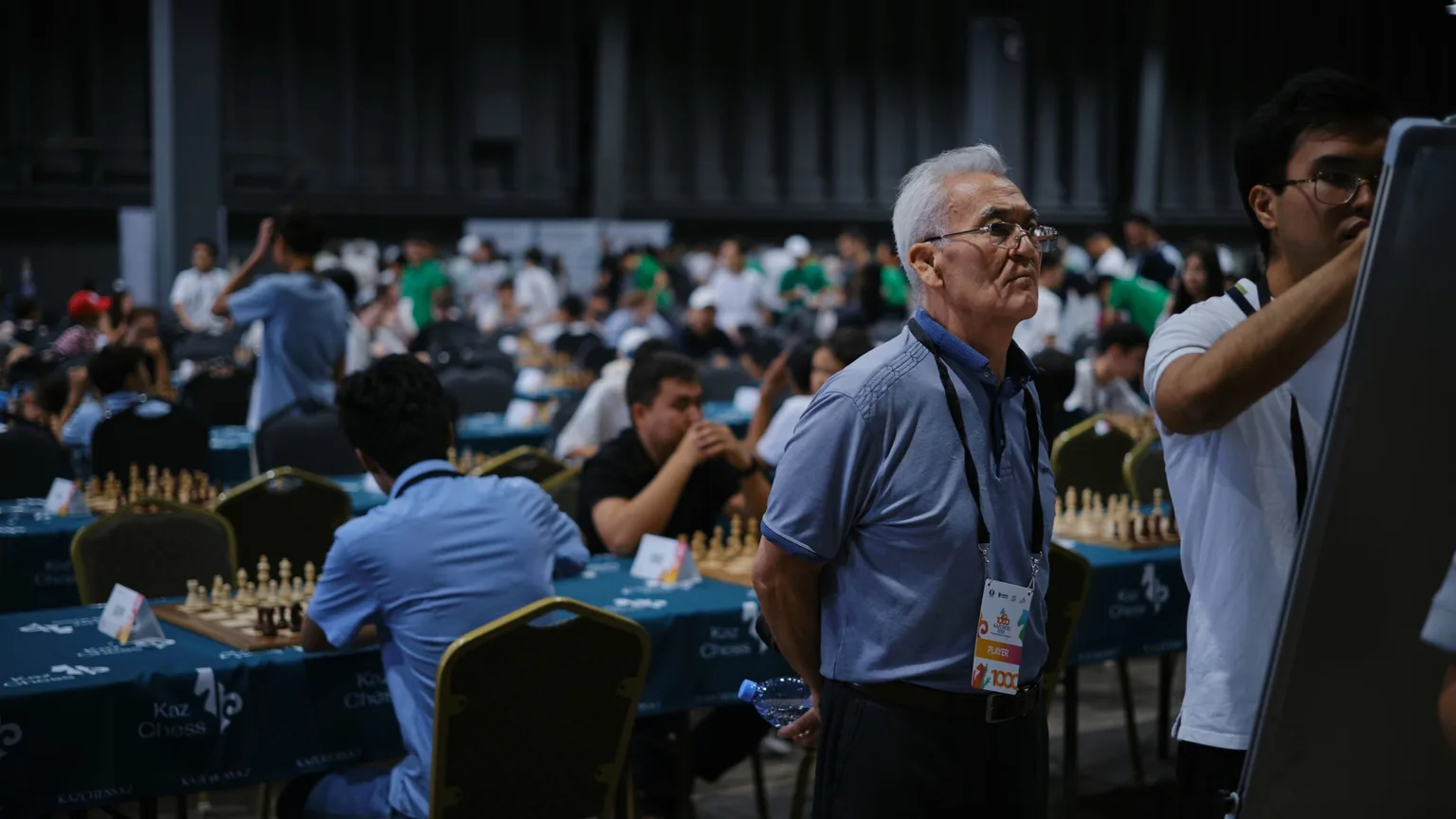
Let me carry one example the whole way through so none of this drifts off into theory. Say you help run Klub Catur Kuda Hitam, a chess community of around 200 members - a Friday-night meetup in the back room of a coffee shop where the boards and the clocks come out, a monthly rapid tournament, a busy WhatsApp group, and a handful of juniors your stronger players coach on Sunday mornings. If you're honest, most of your members barely touch email for anything social: the banter, the "siapa main Jumat ini", the photo of the winning position all happen in WhatsApp, and that's exactly as it should be. Email isn't where the life of the club is. But there's a particular set of jobs email does better than a group chat, and working out which jobs those are is most of what this article is about.
Email does three jobs, and only one of them is a newsletter
Roughly speaking, a membership organisation sends three kinds of email, and they behave so differently that it helps to keep them separate in your head from the start. Muddle them together - the way a lot of clubs do, firing everything out as one weekly wall of text - and you weaken all three at once.
- Transactional and renewal email. The receipt when someone pays, the welcome when they join, the reminder that their membership is about to lapse, the "you're registered for Saturday's tournament" confirmation. These are the quiet workhorses, they're the emails people genuinely want and genuinely open, and they matter more than anything else on this list because they're tied to money and to whether a member stays at all. If you only ever get one category right, get this one right.
- The newsletter. The regular round-up - what happened at the last meetup, who won the rapid, what's coming, a nice game worth replaying. It's the slow, steady drumbeat that keeps the club present in people's minds between Fridays. It's also the one most likely to quietly die of neglect, because it's the least urgent, so if you commit to one, commit to a rhythm you can actually keep (I've written a whole separate piece on what to actually put in a member newsletter, so I won't go into content here).
- The campaign. The one-off with a job to do - sign up for the championship, vote in the committee election, come to the fundraiser, renew during the early-bird window. It's aimed at a specific action by a specific date, and it lives or dies on being clear about that one thing.
The reason it's worth separating them is that they deserve different care and different frequency. Nobody minds a renewal reminder landing exactly when it's needed; everybody minds the fourth "just checking in" newsletter in a fortnight. Get the transactional ones reliable and boring, keep the newsletter to a rhythm, and save the campaign push for when you genuinely have something worth asking for.
Build a list you're actually allowed to email
Before any of that, you need a list - and the only list worth having is one where every person on it agreed to be there. That sounds obvious, but the temptation, when you're small and keen to grow, is to cut corners: scrape the email addresses off an old tournament sign-up sheet, add the whole WhatsApp group in one go, buy or borrow a list of "local chess enthusiasts" from someone who swears it's fine. Don't. Emailing people who never asked to hear from you is the fastest way to get marked as spam, and once enough recipients hit that button, the email services start quietly binning your messages to everyone - including the members who did want them.
The honest way is slower and it works far better. When someone joins Kuda Hitam, that's your moment - a clear tick that says "yes, email me club news", captured at sign-up, and you're done. Existing members you've never formally asked? Send one email (or better, ask in person on a Friday) inviting them to opt in, and take the ones who do. It'll feel like you're leaving people behind, and you are, a little - but a list of 120 people who want to hear from you is worth more than a list of 400 who don't, because the 400 don't open anything, drag your deliverability down, and occasionally report you. Smaller and willing beats big and resentful every time. And whatever you do, make leaving easy: a visible unsubscribe link in every non-transactional email, honoured immediately. Somebody quietly unsubscribing is a normal, healthy thing; somebody who can't find the exit and reports you as spam instead is a genuine problem.
Keep segmentation simple - two or three groups, not twenty
Segmentation is a fancy word for a plain idea: not every email needs to go to everyone. The junior parents don't need the committee-election email; the members who never play rated games don't need the ratings-cutoff reminder; the people who came to one tournament two years ago and vanished probably shouldn't get the same warm weekly note as your Friday regulars. Sending the right thing to the right slice of the list is one of the biggest, cheapest improvements available to you.
But - and this is where a lot of well-meaning organisers tie themselves in knots - you do not need the elaborate version. You don't need fifteen tags and a rule for every conceivable case. For a club like Kuda Hitam, two or three groups covers almost everything worth doing: your active members (came to something in the last few months), your junior families (different needs, different tone), and maybe a "gone quiet" group you occasionally try to win back. That's it. Start there, and only add a new group when you catch yourself actually wanting to send an email to some-but-not-all and your existing groups can't do it. Segmentation earns its keep in small doses; past a point it just becomes admin you invented for yourself.
One email, one thing you want them to do
Two habits will do more for your email than any amount of design polish. The first is a subject line that tells the truth about what's inside, plainly. "Rapid tournament this Saturday - register by Thursday" beats anything clever, because your member is glancing at it on a phone, half-distracted, deciding in a second whether to bother. Clickbait ("You won't believe what happened at the club…") wears out fast and quietly teaches people not to trust your subject lines; a plain, specific, honest line gets opened for years. Keep it short enough to survive a narrow phone screen (the first 40 - 50 characters are what most people actually see), lead with the thing that matters, and resist the urge to be witty at the cost of being clear.
The second habit is one email, one action. Every email you send that isn't a pure newsletter should have a single clear thing you want the reader to do - register, renew, reply, turn up - and everything in the email should point at that one thing. The instinct, especially when you don't email often, is to cram: while I've got their attention, let me also mention the new boards, and the coaching, and subs going up, and the change of venue, and by now the reader has five things to maybe-do, which for most people quietly resolves to doing none of them. If you genuinely have five things to say, that's a newsletter. If you want somebody to act, give them one clear action and one obvious button or link, and let the rest wait.

Getting into the inbox (the dull part that decides everything)
None of the above matters if the email never arrives, and this is the part clubs most often get wrong without realising, because it fails silently - your open rate just sits low and you assume nobody's interested, when really half your messages went to spam. You don't need to become an expert in the plumbing, but a few basics keep you out of trouble.
The one that matters most: don't send bulk email from a personal Gmail or Yahoo account, blind-copying 180 people. It looks exactly like what spammers do, it gets throttled and filtered, and you'll never know how many it reached. Use a proper email service built for sending to lists (there are plenty, including whatever your membership system provides) - they handle the technical bits that make inbox providers trust you, and they give you the unsubscribe link and the basic numbers for free. Beyond that: keep your list clean by removing addresses that hard-bounce, don't buy lists (we covered this, but it's the number-one deliverability killer), avoid the ALL-CAPS and rows of exclamation marks and the money-off-now language that trips spam filters, and send consistently rather than in huge sporadic bursts. Do those, and you'll land in the inbox often enough that everything else you've worked on actually gets a chance to work.
How often, and when - without becoming the club that spams
There's no magic number here, and anyone who gives you one ("email your members exactly twice a week!") is selling something. It depends on how much you genuinely have to say and how much your members want. But the failure I see far more often is too much, not too little. A membership organisation that emails weekly usually runs out of real things to say by about week three and starts padding, and padding is how you train people to stop opening you - the open rate drifts down, the unsubscribes tick up, and the whole channel slowly goes cold.
For most clubs, a monthly newsletter plus transactional emails as they're needed plus the occasional genuine campaign is plenty, and it's a rhythm you can actually sustain for years. For Kuda Hitam I'd probably land on a newsletter once a month (say the first week, so it becomes a fixed habit for you and them), tournament and renewal emails whenever the calendar demands, and a campaign push only when there's a real ask. On timing, don't overthink it - a weekday, not the middle of the night, not competing with Friday night when everyone's actually at the club. Broadly right beats agonised-over, and the content matters ten times more than whether you sent at 9am or 2pm.
Email is for some things, WhatsApp for others
A lot of imported email advice quietly assumes something that just isn't true for a membership in Indonesia: that your members live in their inbox. They don't - they live in WhatsApp. For anything quick, social and immediate - "boards are set up, mana orangnya", the photo from last night's game, a fast poll about next month's venue - WhatsApp will always win, and trying to herd that traffic into email is pushing water uphill. Email isn't competing with WhatsApp for those jobs, and it shouldn't try.
What email is genuinely better at is the things you want on record, the things that need to reach everyone rather than only the people watching the chat at that moment, and the things that would drown in a fast-moving group. The renewal notice with a payment link. The formal tournament registration. The committee election. The annual round-up. A WhatsApp group moves too fast and forgets too quickly for any of those - your renewal reminder is three screens up by lunchtime, buried under memes and match photos. So the sensible split is roughly this: WhatsApp for the conversation and the day-to-day, email for the money, the records, and the things that must not get lost. I've gone deeper on getting that balance right in a separate piece on SMS and WhatsApp for member communication, and it's worth reading alongside this one, because the two channels only work well when each is doing the job it's actually good at. Email, in other words, is one tool among several - a point I make more broadly in the guide to member engagement ideas.
Measuring without kidding yourself
You'll hear a lot about open rates and click rates, and they're worth a glance, but they mislead more than people admit. Open rate in particular has become a shaky number (phones and mail apps now "open" emails on the recipient's behalf, so the figure is inflated and getting less reliable every year), and even at its best it only tells you somebody saw the subject line, not that they cared. Click rate is a bit more honest, because a click is a small real action. But neither is the thing you actually want to know.
The question that matters is whether the email drove the thing it was for. The tournament email isn't a success because 40% opened it - it's a success if the tournament filled up. The renewal email works if people renew, not if they admire it. So measure the action, not the vanity number. Did registrations go up in the two days after you sent? Did the early-bird renewals come in? Did anyone reply, turn up, take part? For a club your size you can often just count - "we emailed 150 people about the championship and 38 signed up" tells you more than any open rate, and you can hold the whole thing in your head. Watch opens and clicks with one eye if you like, mostly to spot when something's badly wrong - a sudden collapse in opens usually means a deliverability problem rather than a content one - but judge every email by whether it moved the real-world thing you sent it for, because in the end that's the only number that changes anything.
Start small, and keep it honest
If this feels like a lot, ignore most of it to begin with. The version that works is small: get your renewal and welcome emails reliable, send one modest newsletter a month that you can actually keep up, make sure people opted in and can leave, and use a proper sending tool so the messages arrive. That's 90% of the value, and it's achievable in an afternoon. The finer points - segmentation, subject-line testing, the rest - can be chipped away at later, once the basics are running and you've got a feel for what your members respond to. Don't build the elaborate machine first….
If you take one thing away: email isn't where your club's life happens - that's WhatsApp, and that's fine. Email's job is the money and the records and the things that must reach everyone and not get lost. Get those reliable, ask before you add anyone, send less than you think you should, and judge every email by whether it drove the thing you sent it for.
A fair bit of this is what Anggota is built to take off your plate - the welcome and renewal emails that go out on their own, a members' list that only holds the people who opted in, the unsubscribes handled properly, and the sending done through a system that's set up to actually reach the inbox rather than the spam folder. If that sounds useful you're welcome to try it for free and see how it fits your club. And if you'd sooner take these ideas and run them through whatever email tool you already use, that's genuinely fine too - none of this depends on a particular product, and a membership you email thoughtfully rather than constantly is worth building however you get there.