

Selling event tickets to members (how-to)
Member vs public pricing, early-bird, QRIS payment and a name list at the door. For a small gig, a QR code beats an expensive ticketing platform almost every time - here's how to run it.
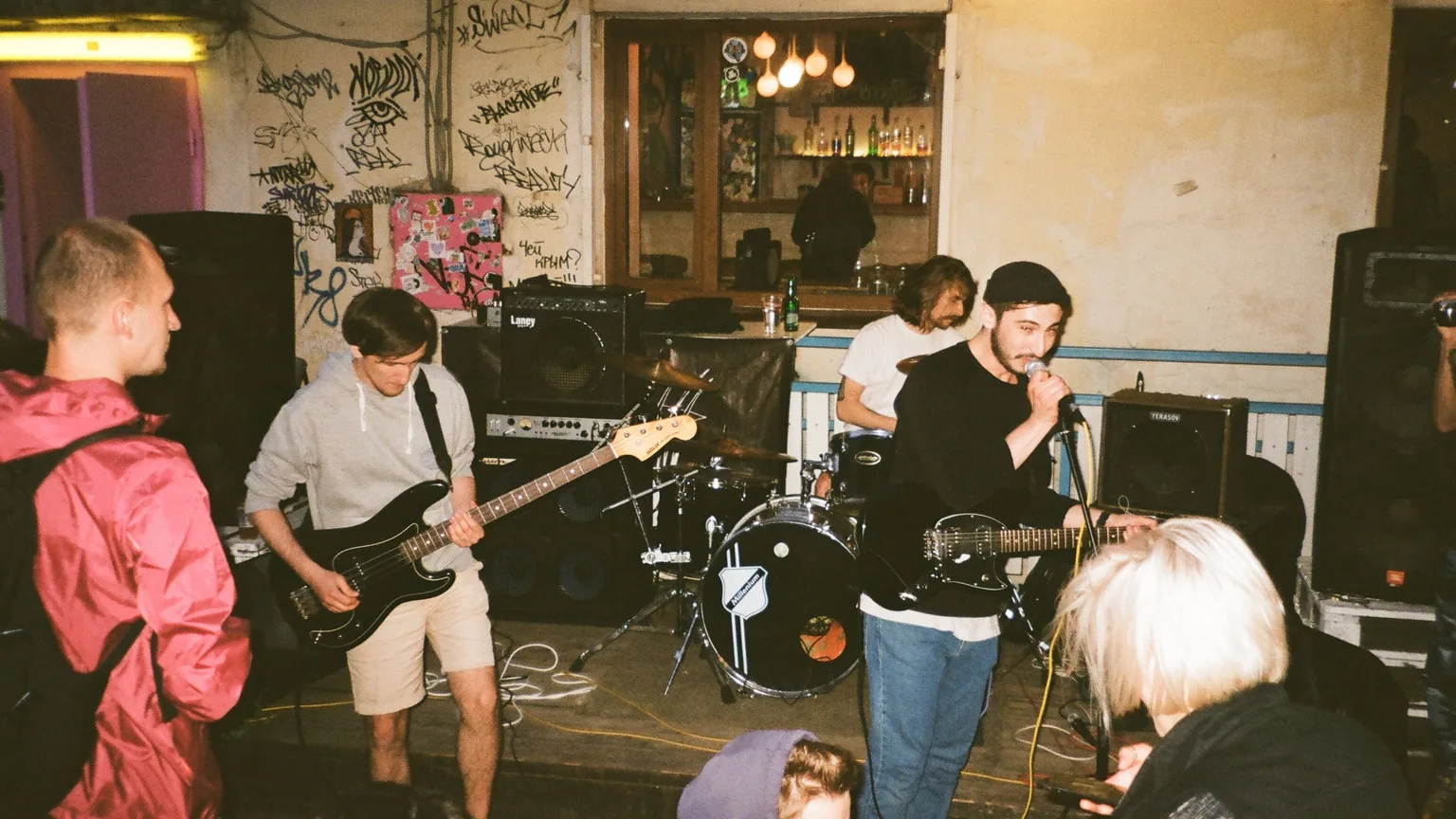
Selling tickets to your own members sounds like it should be the easy part, and mostly it is - these are people who already like you, already turn up, already want the thing to happen. Which is exactly why it's worth not overcomplicating. The trap most groups fall into is reaching for a full ticketing platform, with its per-ticket fees and its dashboards and its little handheld scanners, for what is honestly sixty people in a room who mostly know each other by name. For a small gig, a QR code that takes payment and a name list at the door will beat an expensive system nine times out of ten, and this whole piece is really about knowing when that's true (nearly always, when you're starting out) and the handful of times it isn't.
Let me carry one example through so this stays concrete. Say you help run Kolektif Panggung Senja, a live-music collective in Bandung - around 150 members, a mix of bands, a couple of sound and lighting people, and the regulars who come to every show and buy the tote bags. Once a month or so you put on a gig in the upstairs room of a cafe that holds maybe 80 - 120 people, depending on how you push the chairs around. Members get in cheaper than the public, some nights sell out and some don't, and every single month somebody messages to ask whether they can pass their ticket to a mate. That's the machine we're going to run through, and none of it needs to be complicated.
Member price, public price, and the gap between them
The plainest reason members pay is so they can pay less. Member pricing is one of the more obvious perks of belonging, and a gig is a nice visible place to show it - the regular at the door hands over noticeably less than the person who saw the poster on Instagram that afternoon. For Senja that might be members at Rp 25,000 - 40,000 and the public at Rp 50,000 - 75,000, scaled to what the night actually costs to put on (sound hire, the room, the bands' cut, a bit left over for the next one). Don't agonise over the exact gap. It wants to be big enough that a member feels rewarded for being one, and small enough that a guest doesn't feel like they're being punished for not signing up yet. Somewhere in that range and you're fine.
One honest note: the member price doesn't have to cover a member's full share of the costs, because their dues already did some of that work across the year. The public price is where you make the night add up. If you find yourself building an elaborate table of five different tiers for a room of a hundred people, you've wandered off - two prices, maybe three, is plenty.
Early-bird, and why it's mostly about your nerves
Early-bird pricing is the old trick of charging less if people commit in the first week - say Rp 20,000 for members who buy in the opening few days, going up to Rp 30,000 after that. It does gently nudge people to buy sooner, which is real. But in my experience the bigger value isn't the extra sales at all - it's that you find out early whether anyone is actually coming. There's a particular dread in staring at a pre-sale of four tickets three days before the show, wondering whether to pull it, and an early-bird window gives you that signal a fortnight out instead of the night before. So run it if you like, but run it for the information as much as the money.
Free for members, paid for guests
There's a second model worth knowing, and for some collectives it's the right one: members get in free (their annual dues already paid for the year's shows) and only guests pay at the door. It's clean, it makes membership feel genuinely worth it, and it turns every regular into someone who can casually bring a friend along without doing sums on the way in. The catch is the one every free event runs into - free tickets get claimed and then not used, so a night that looks sold out on paper can be half-empty in the room, which is grim for the bands and worse for the cafe's bar takings.
The fix is small and slightly unromantic: charge members a token amount anyway (Rp 10,000 - 15,000, framed as a "commit fee" rather than a ticket) or simply accept a no-show rate of 10 - 20% on the free crowd and let a few more people in than the room strictly holds. A gig with people standing is a good problem. Just be clear with yourself about which model you're running before you print the poster, because switching halfway annoys everyone.

Taking the money - QRIS, e-wallets and virtual accounts
Payment in Indonesia has genuinely got easier, and for a small gig you can lean on that hard. QRIS is the workhorse - one standee on the door table with your code on it, and everyone pays from whatever app they already have open, whether that's GoPay, OVO, DANA or their own bank app. You don't need a card machine and you certainly shouldn't be asking anyone to type card numbers into anything. For the pre-sale online, a virtual account or a QRIS payment link does the same job, and cash will still turn up at the door no matter what you do, so keep a float and a tin. I've written the plumbing of all this up properly in the guide to collecting membership money online, and the same payment rails carry ticket money just as happily - a QRIS code doesn't care whether it's taking dues or a door charge.
One thing worth checking early: whoever's holding the phone that the QRIS payments land in needs to be able to see them come in, ideally in real time at the door. Nothing jams up an entrance queue like a volunteer squinting at a notification that hasn't arrived yet. Test it with a Rp 1,000 payment to your own code the day before, so you know exactly what "paid" looks like on the screen.
Selling ahead without a big platform
Here's the honest minimum for pre-selling a gig, and for a room the size of Senja's it really is enough: a simple form that captures a name, which ticket they want (member or public), and either a payment link or a photo of their QRIS receipt - and a members list or spreadsheet that quietly becomes your door list. That's the entire system. You reconcile payments against names once or twice before the show, and you walk in with a printed list. No fees taken out of every ticket, no learning a new dashboard, no scanner to charge up.
A proper ticketing or registration setup earns its place later, and it's worth being clear about when. If you're selling hundreds of tickets across several dates, or you need allocated seating, or you're running enough ticket types that reconciling payments by hand starts eating a whole evening, then a system that ties each ticket to the member record and marks them off automatically genuinely pays for itself. That's a step up from a gig, and it's the territory the guide to running member event registration is built for. The gig, by the way, is only one kind of event you might put on - if you're casting around for the next one, there are plenty of other ideas that suit a members' group. But don't buy the big machinery until the manual version is genuinely hurting, because most collectives never reach that point and spend the money anyway.
The door, and checking people in
Check-in for a gig is about as low-tech as it gets, and that's a feature, not a shortcoming. You want a name list (printed, or on a phone if the person holding it is reliable), a pen, and something to mark that a person's in - a stamp on the hand, a wristband, a tick against the name. The paid pre-sales are already on the list; walk-ups pay by QRIS on the spot and get added. As people come through you're also, almost for free, watching your real capacity fill up in real time, which is the number that actually matters once the room starts to feel full.
The stamp-or-wristband bit matters more than it sounds, because gigs have re-entry - people step out for a smoke or to grab food and come back, and you don't want to be relitigating whether they paid an hour ago. A stamp settles it instantly. It's the kind of tiny thing that keeps the door calm, and a calm door is worth more to the night than any amount of clever software.
Capacity, and the honest maths of a small room
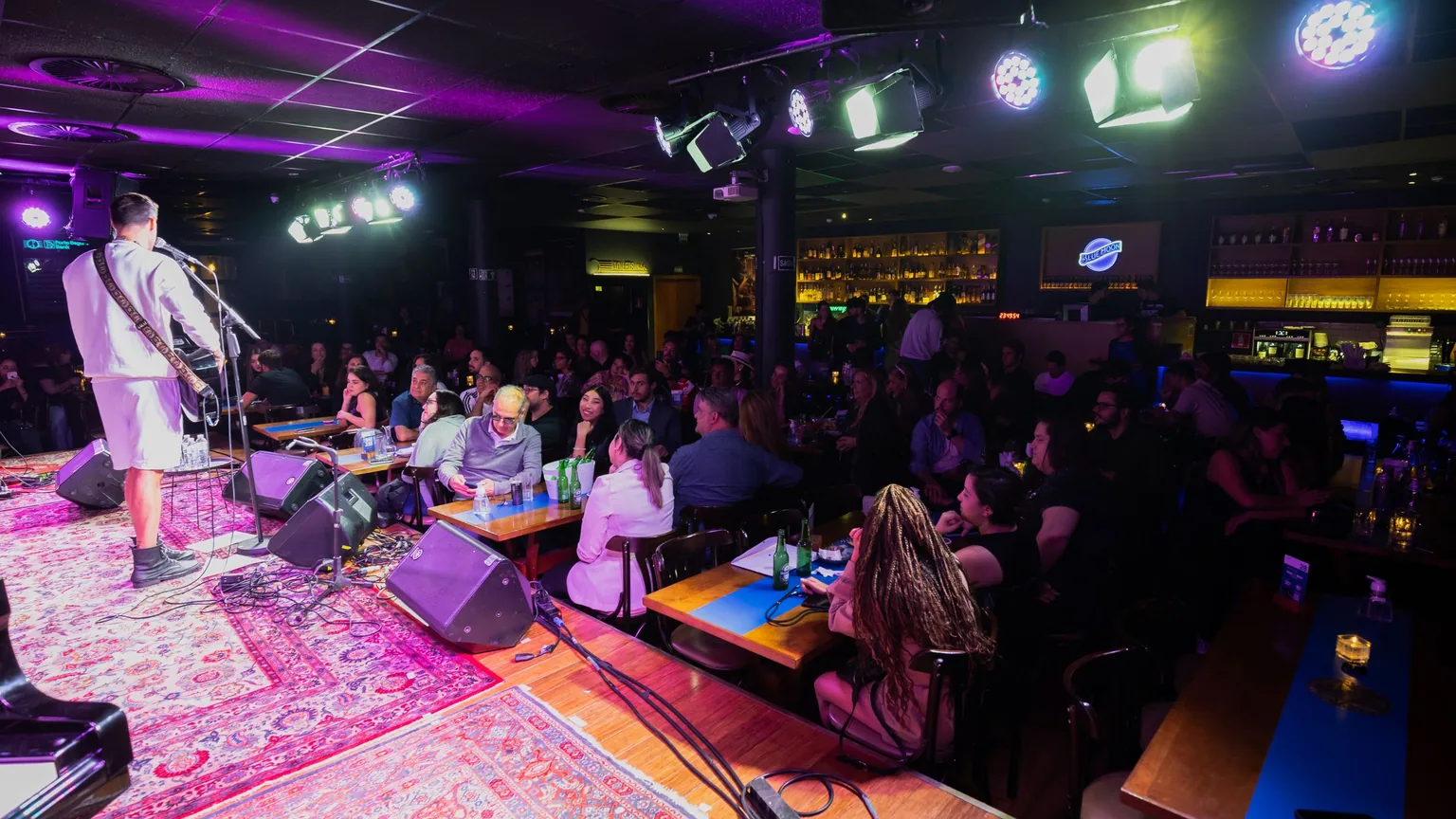
Senja's room holds 80 - 120, and that spread is the whole point - it's not a fixed number, it's a comfort dial. Sell to the lower end and people can move, hear each other between sets, actually enjoy it. Sell to the top and it's packed and sweaty and some people love that and some quietly leave early. Pick which night you're throwing before you decide how many to sell, rather than discovering it when the fire exit's blocked.
Then factor in no-shows honestly. Paid tickets have skin in the game, so your drop-off is low, maybe 5 - 10%. A free-for-members crowd drops off harder, 10 - 20% or more, because there's nothing lost by not turning up. That's why a modest overbook is sensible for a standing gig - a few extra bodies covers the fade and a fuller room is a better night. Just never overbook something with allocated seating, because then a no-show is an empty chair and an over-sell is two people holding the same one, and you're refereeing an argument instead of watching a band.
Refunds and transfers - decide once, write it down
Remember that message that lands every single month, asking whether a ticket can go to a friend? The mistake is answering it fresh each time and slowly inventing a different policy for each person. Decide once, write it on the ticket page, and then you're just pointing at the rule instead of negotiating. The policy that works for most collectives is about as simple as it gets: tickets are transferable, just tell us the new name so the door list matches, and refunds only happen if the show itself is cancelled.
Transfers are quietly one of the best things you can allow, which is why I'd lean towards making them easy rather than a hassle. A ticket that was heading for a no-show becomes a warm body in the room, the original buyer isn't out of pocket and doesn't feel hard done by, and the friend who came along on a mate's ticket is exactly the sort of person who ends up joining the collective three shows later. Refunds are the opposite - keep them tight, tie them to genuine cancellation, and you avoid the slow bleed of people changing their minds two days out and expecting their money back. Be kind about it in the wording, firm about it in the rule.
What not to bother with
You do not need a barcode scanner, a branded ticketing app, dynamic pricing that shifts by the hour, or a seating chart for a room where everyone's standing anyway. For 60 - 120 people who are half friends already, the honest kit is a QR code, a name list, a pen and a stamp, plus a form for the pre-sale and a spreadsheet to reconcile it. That's it. The fancy machinery is built for stadium shows and conference halls, and bolting it onto a monthly gig mostly buys you fees and admin you didn't have before.
Start rough, too. A messy first attempt that actually sells tickets beats a beautiful system you're still configuring the week of the show. Run the simple version, see where it genuinely creaks - maybe reconciling payments by hand really is the bit that's eating your Sunday - and fix that one thing next time. Improve one bottleneck per gig and you'll have a smooth little operation before you've spent anything much on it….
If you take one thing away: for a small gig, a QR code that takes payment and a name list at the door beats an expensive ticketing platform almost every time. Two prices, a clear refund line, transfers made easy, and a stamp on the hand. Add machinery only when the manual version starts to hurt, and most groups never reach that point.
A fair bit of this is what Anggota is built to take the fiddle out of - members who already have a record so their member price applies automatically, a form that ties a ticket to the person buying it, payment collected through the QRIS and e-wallet rails your members already use, and a door list that's just there rather than something you stitched together the night before. If that sounds useful you're welcome to try it for free and see how it fits the way you run your shows. And if you'd rather take the ideas here and run them through a spreadsheet and a QRIS standee you already own, that's genuinely fine too - the principles hold whatever you use, and a gig that's easy to buy into and easy to turn up to is worth putting on however you get there.