

Tiered vs flat vs usage-based membership pricing
Before you agonise over how much to charge, decide how to charge. A plain look at flat, tiered and pay-as-you-go pricing - who each suits - carried through a community volleyball club torn between a flat season fee and pay-per-court-night.
Most of the advice you'll read about membership pricing is really advice about the number - what to charge, how to land on a figure that covers your costs without frightening people off. That matters, and I've written about it separately. But there's an earlier decision that gets far less thought and quietly shapes everything that comes after it, which is not how much you charge but how you charge. One flat fee for everyone? A few levels priced for different sorts of member? Or nothing up front at all, and people just pay each time they turn up? You can get the number spot on and still make life harder than it needs to be, because you've collected roughly the right amount in a way that irritates half your members and confuses the other half.
So this piece is about the shape of the fee rather than the size of it. There are really three models in common use - flat, tiered, and usage-based (pay-as-you-go) - plus a hybrid that borrows from two of them, and each suits a genuinely different kind of organisation. None of them is the clever choice or the amateur choice; they're just tools, and the trick is matching the tool to how your members actually behave rather than to what looks tidy on a pricing page.
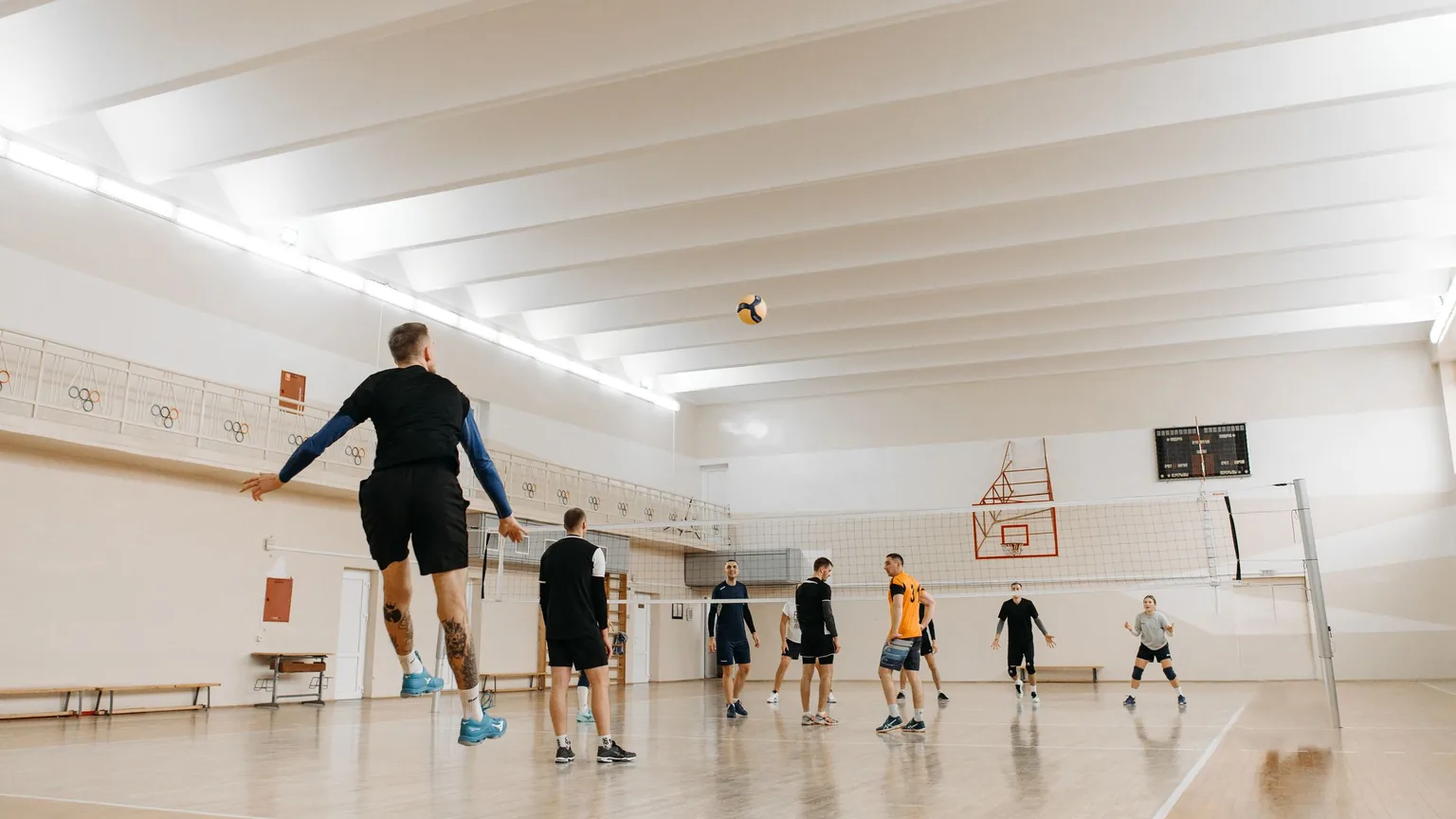
I'll carry one example the whole way through to keep this concrete. Say you help run Komunitas Voli Rajawali - a community volleyball club of around 90 regulars, plus a looser WhatsApp group of people who drift in and out. You hire the local GOR two evenings a week, the court costs somewhere between Rp 250.000 and Rp 400.000 a night whether eight people show up or twenty, and right now the committee is stuck on one question that half the group has an opinion about: do you charge a flat season fee, or do you charge per court-night? That's exactly the flat-versus-usage decision this whole article is circling, so we'll come back to Rajawali at every turn and land them somewhere sensible by the end.
Flat: one price, and more often than not the right one
The flat fee is the simplest thing you can do - one price, everyone pays it, everyone's a member for the period, come as much or as little as you like. It's the easiest to explain, the easiest to collect, and the easiest to build the rest of your year around, because you know at the start of the season roughly what's coming in. For a great many clubs this is not a starter option you'll grow out of; it's the correct answer more or less permanently, and reaching for anything cleverer just adds admin for you and decision-fatigue for them.
What makes a flat fee work is regular attendance from a fairly settled group. If roughly the same people turn up roughly every week, a flat fee is honest - everyone's getting steady value, so everyone paying the same feels fair, and nobody's sitting there doing sums. Where it starts to chafe is when attendance is lumpy. The member who makes it to almost every session is quietly delighted with a flat fee (they're getting a bargain), but the one who can only come once a fortnight because of shift work starts to feel they're subsidising the keen ones, and at renewal time that's exactly the person who quietly doesn't come back. For working out what the flat number itself should be, I won't repeat it here - the guide to setting membership dues walks through the costs, the worth-to-a-member test, and checking the going rate, and everything below assumes you've done that sum.
For Rajawali, a flat season fee might be somewhere around Rp 300.000 - 450.000 for the season, which for a committed player who's there most weeks is genuinely cheap per night and feels great. The question is how many of your 90 are that committed, and how many are the once-a-fortnight sort who'll look at a flat season fee and decide it's not worth it. Hold that thought, because it's the crux of the whole decision.
Tiered: when your members honestly aren't the same
Tiers are the flat fee's answer to a group that isn't all one kind of person. Instead of a single price you offer a few levels, priced for different members - a cheaper one for students, a fuller one for working adults, maybe a squad rate for the competitive lot who train twice as often. The point of tiers, done properly, is not to squeeze more out of anyone; it's to stop a single price from either pricing out the people you want in or undercharging the people who'd happily pay more for more. When your members genuinely differ in what they want or what they can pay, one flat number always overserves somebody and underserves somebody else, and a tier for each keeps everyone paying for roughly what fits them.
The catch is that tiers are more to build and more to maintain, and there's a real art to how many you have and what separates them - too many and a new member can't tell which one is theirs and gives up. That's a whole topic in itself, so rather than restate it I'll point you at the guide to building and pricing tiers, which covers when tiers earn their keep, how many to run, the three honest ways to structure them, and how to price the levels around your core one. Read that if the tiered model is where you think you're heading.
Would Rajawali want tiers? Possibly a light version - a student or pelajar rate to keep younger players in, since a teenager and a salaried thirty-something really do have different budgets for the same Tuesday-night game. But a club of 90 volleyballers who all want the same thing (a court, a net, a game) doesn't need an elaborate ladder, and building one would be solving a problem they mostly don't have. Tiers shine when the needs differ, not just the faces. For Rajawali the needs are pretty uniform, so if tiers appear at all they should be one cheaper concession level and no more.
Usage-based: pay for what you actually use
The third model throws out the up-front fee entirely and charges per session instead - pay-as-you-go, or in Rajawali's case pay-per-court-night. You rock up, you pay your Rp 25.000 - 40.000 for the evening, you play, done. Nobody's committed to anything, nobody's paying for nights they missed, and the fairness of it is obvious to everybody: you pay for what you use and not a rupiah more. For a certain kind of group this is far and away the most honest structure, and members often love it precisely because there's no commitment to agonise over at the door.
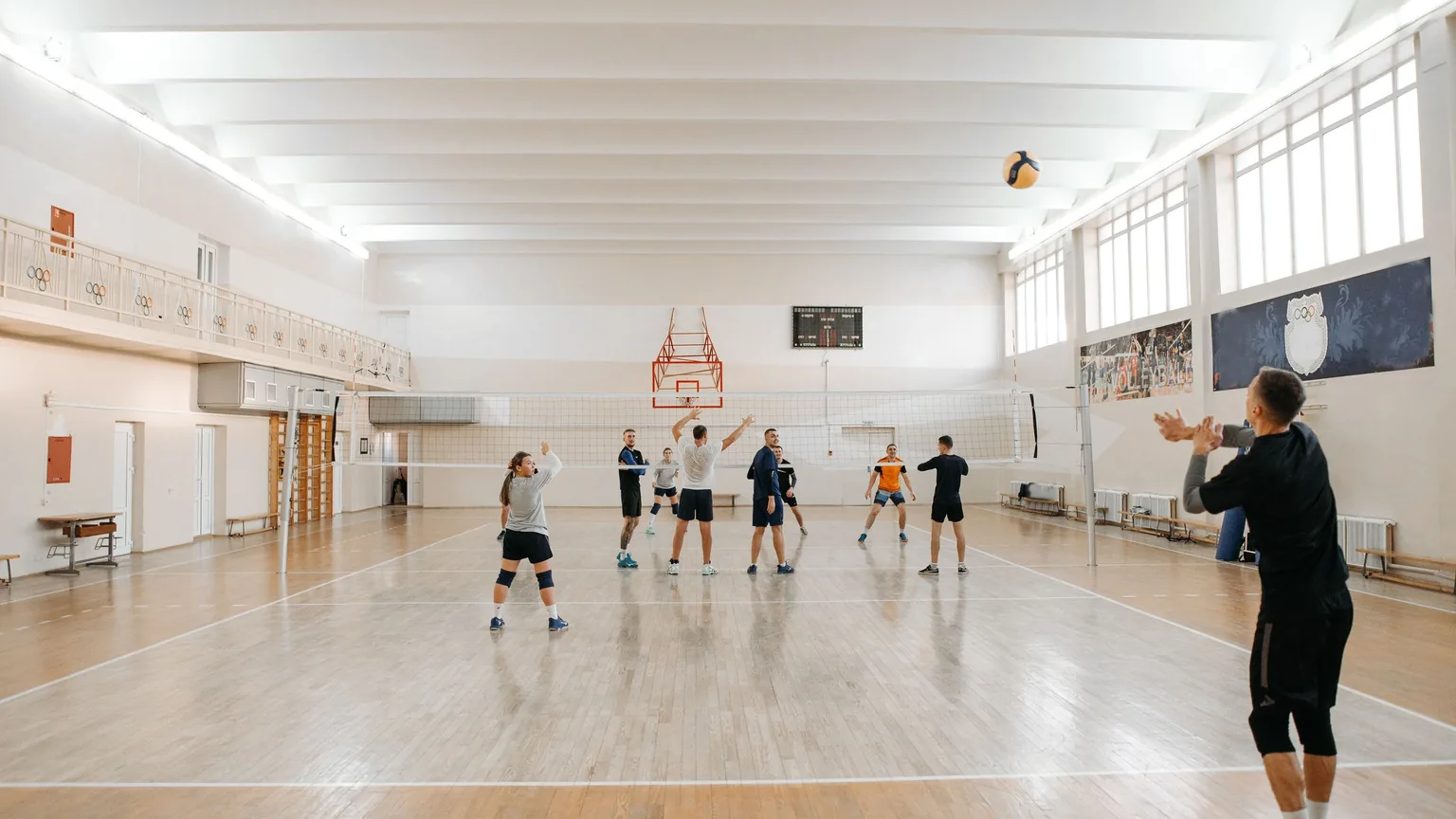
Where usage-based earns its place is patchy or seasonal attendance, and costs that move with how much you run. If your people can't or won't commit to a whole season - shift workers, students in exam season, a city crowd whose plans change by the week - then asking them for a flat fee up front just loses you the casual player entirely, whereas Rp 30.000 on the night is an easy yes for someone who fancies a game this Friday and hasn't a clue about next month. And because Rajawali's court hire is itself charged per night, a per-night fee lines up neatly with the cost: run more nights, collect more; cancel a night, collect nothing and pay nothing.
The honest downsides are real, though, and worth naming plainly. First, your income becomes unpredictable - a rainy fortnight or a long weekend and suddenly you can't cover the court booking you've already committed to, which is a horrible position for a treasurer. Second, you're now running a little collection job at the start of every single session, forty times a season instead of once, and unless that's genuinely painless (a QR code on a stand beats a committee member with a cash tin and no float) it becomes the chore that burns out whoever's volunteered to do it. Third, and this one sneaks up on people, pure pay-as-you-go quietly weakens the feeling of belonging - if nobody ever actually joins, if there's no membership, just a rolling series of transactions, you've got customers turning up for a service rather than members who feel part of a club, and that difference shows up later in who bothers to help pack the net away.
The hybrid: a small base plus pay-per-session
This is the one I'd nudge most clubs to look at hardest, because it takes the best of two models and dodges the worst of each. You charge a modest membership fee up front - deliberately low, enough to mean something but not enough to scare off the casual player - and then a small per-session fee on top, with members paying less per night than non-members. So a low base buys you in, and then you pay a little each time you play.
For Rajawali that might look like a Rp 100.000 - 150.000 membership for the season that gets you in at Rp 15.000 a night, versus Rp 35.000 a night for a drop-in who hasn't joined. Look at what that does. Your committed regulars do the maths, realise they're better off joining, and hand you a lump of predictable income at the start of the season that you can plan the court bookings around. Your casual and first-time players aren't shut out - they pay the higher drop-in rate, have a game, and if they catch the bug the membership pays for itself and they join. You get a base of committed members and an open door for the drifters, which is a rare structure that genuinely serves both.
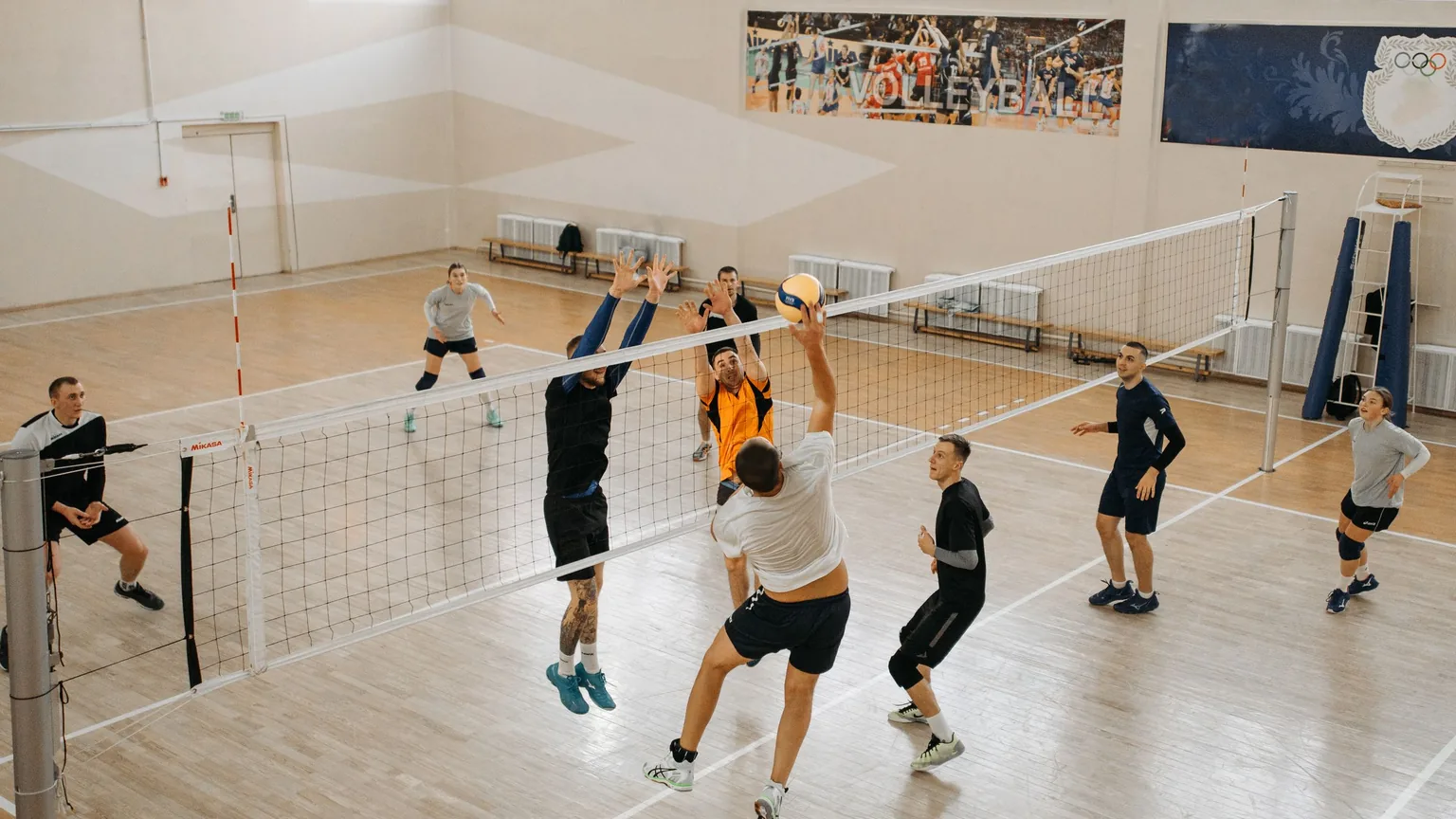
The cost of the hybrid is that it's a touch more to explain and a touch more to run than a single flat fee - you're collecting a base and then a per-night top-up, and someone has to keep track of who's a member and who's paying drop-in rates. That's real, but it's the sort of admin that software makes trivial, and for a club with a committed core and a casual fringe (which is most of them, if we're honest) it's usually worth the small extra effort. It won't suit everyone - a tiny settled group is better off flat, and a purely come-and-go crowd is better off pure usage - but for the messy middle, which is where most real clubs live, the hybrid tends to be the quiet winner.
So which one for the volleyball club?
Let's actually decide, because leaving Rajawali hanging would be a cop-out. The committee's instinct to argue flat-versus-usage is the right argument to be having, and the answer turns almost entirely on one thing: how settled is that group of 90? If, when you're honest about it, there's a solid core of forty or fifty who are there nearly every week come rain or shine, and the rest are genuine occasionals, then the pure flat fee is a poor fit (it overcharges the occasionals into leaving) and the pure usage fee is a poor fit too (it leaves your reliable income at the mercy of the weather). That's a hybrid situation if ever there was one - a low season membership for the core, drop-in nights for the rest - and that's where I'd point them.
If instead the group is genuinely settled - almost everyone comes almost every week, attendance barely wobbles - then don't overthink it: a flat season fee is simpler and fairer and you should just do that, and save the hybrid's admin for a problem you don't have. And if it turned out Rajawali couldn't rely on anyone from one week to the next, all students and shift workers with no predictable core at all, then pure pay-per-court-night is the honest answer, unpredictable income and all, because a flat fee nobody will commit to collects nothing.
A heuristic you can actually use
Strip all of that back and you can decide your own model with two plain questions, no spreadsheet required:
- Do roughly the same people turn up regularly? If yes, lean flat - it's simplest and it's fair when everyone's getting steady value. If attendance is patchy or seasonal, lean usage-based or hybrid, so people aren't paying for nights they never see.
- Do your members genuinely differ in what they want or what they can pay? If yes, add tiers (a student rate, a squad rate, a family or corporate level) so one price isn't overserving some and pricing out others. If they all want basically the same thing, don't - keep it to one price and spare everyone the choosing.
Most organisations land in a blend rather than a pure model, and that's completely fine - a flat core membership with a cheaper student tier, or a low base with pay-per-session on top and a family rate for households. The models are ingredients, not boxes you have to pick exactly one of. What you're really doing is matching the shape of the fee to the shape of your membership, and if you get the shape roughly right the exact number becomes the easy part (which is what the dues guide is for).
If you take one thing away: decide how you charge before you agonise over how much. Flat suits a settled group who turn up regularly; tiers suit members who genuinely differ; usage-based suits patchy or seasonal attendance; and a low base plus pay-per-session is the quiet winner for the very common club that has a committed core and a casual fringe at the same time.
And don't treat any of this as permanent. Start with the simplest model that fits, run it for a season, and watch what actually happens - are the occasionals drifting off, is the treasurer sweating over unpredictable nights, is anyone confused at the door? Adjust at the next renewal with fair warning and you'll be fine. A club that starts flat and adds a drop-in option when the casuals appear will always beat one that designed a clever four-part pricing engine before the first ball was served….
The fiddly side of a hybrid - members and drop-ins told apart, the right rate charged at the door, a season fee collected once with QRIS or bank transfer and renewals that just remind themselves - is exactly the sort of thing Anggota is built to make the easy part, and it's free to start. But the choice of model is yours, and you're far better placed than any tool to know whether your lot turn up like clockwork or drift in when the mood takes them. Whatever you run it in, get the shape of the fee right and the software becomes a detail - we just hope the thinking above makes the decision a little less of an argument at the next committee meeting.